Sourcing stainless steel tea infusers from China
Stainless steel tea infusers from China carry 0% UK duty under the relevant household-article line, subject to classification. Confirm with the Food Standards Agency the applicable requirements concerning substances transferring from food-contact materials into food. Cambridge China Bridge sources stainless steel tea infusers.
Buying from China for a business? How our UK China sourcing agent service works · China sourcing agent for small orders and first imports
UK duty on stainless steel tea infusers
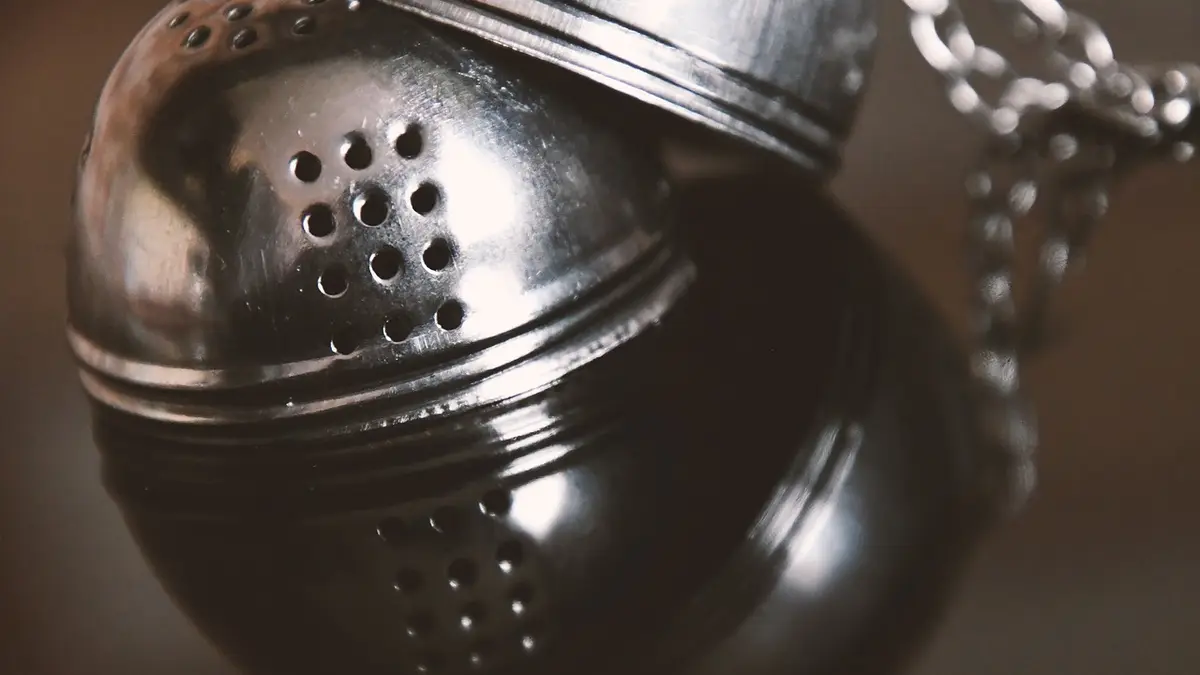
Heading 7323 covers iron and steel table, kitchen and household articles and their parts, alongside steel wool and scourers. Stainless steel tea infusers are candidates for 7323 93 00 90, subject to confirmation of the finished product's construction and use. The table shows designs within that commodity line.
Read from the UK Trade Tariff on 16 December 2026, the supplied data records 0% duty for goods from China under this line, with no anti-dumping duty, countervailing duty or suspension. The line carries import and export waste controls. Waste shipment controls apply only to waste. For discarded infusers or scrap from China, confirm the applicable requirements with your customs broker before shipment.
Confirm the commodity code using photographs, component materials and the complete product description, including any accompanying accessories. For the wider heading, see stainless steel cafetieres.
| Goods | Commodity code | Duty | Anti-dumping or countervailing duty on China |
|---|---|---|---|
| Stainless steel mesh tea balls | 7323 93 00 90 | 0% | None |
Specify the mesh, closure and brewing conditions
Specify the steel grade separately for the mesh, rim, lid, chain, spring and fasteners. Agree mesh aperture or perforation size, basket depth, rim diameter and supported cup opening. State the intended leaf size and brewing capacity. For tea balls, agree hinge alignment and closure engagement; for baskets, check that the support rests securely on the intended cups.
Confirm with the Food Standards Agency the applicable food-contact requirements concerning substances transferring into food and their effects on health, food composition and sensory properties. Request evidence matching the finished infuser and intended hot-brewing conditions, including repeated use and any coating, solder or decorative component that contacts the drink. Agree the assessment through testing and certification.
Confirm the applicable food-contact traceability requirements with the Food Standards Agency. Keep supplier, batch and business-customer records linked to the product and supporting evidence. Labelling and advertising must not mislead consumers. Approve cleaning instructions and substantiate claims about dishwasher suitability or resistance to rust before printing the packaging.
Worked duty example
Illustrative example, not a quote: Illustrative order: 900 stainless steel basket tea infusers with lids and drip trays under 7323 93 00 90, invoiced at £7,500 free on board, with £900 of freight and insurance to the UK. The customs value is £8,400. Duty at 0% is £0. Import VAT at 20% is charged on the customs value plus duty, £8,400, so it is £1,680. With no duty, the only import tax is the VAT, which a VAT-registered importer can usually reclaim. The import duty and VAT guide explains each step.
Inspection checklist
Mesh and edges: inspect for broken wires, burrs, loose fragments and gaps around the rim; compare perforations and mesh attachment with the approved sample.
Closure and support: operate hinges, springs and latches repeatedly; check chain attachment, lid seating and basket stability on the intended cups.
Brewing and cleaning: brew the agreed loose-leaf tea; assess leaf escape, drainage, trapped residue and access for cleaning. Repeat the agreed cleaning cycle and inspect for staining or corrosion.
Packing and arrival: unpack delivered stock and check crushed mesh, distorted rims, moisture and missing accessories. Repeat functional checks and match batch identification to the documents. Agree the brief through quality inspection.
Working out your own order? Send us the product on WhatsApp and we reply the same working day: WhatsApp us
What goes wrong
A tightly woven sample can be replaced by coarser production mesh, allowing leaf fragments through. Tea balls may close when empty but open during stirring because the latch barely engages. Basket rims can distort in transit and slip into cups. Compare production against the retained sample using the buyer's intended tea and cups.
A material report for the basket body can overlook a different alloy in the chain or spring. Polishing residue may remain beneath folded rims, while sharp wire ends and poorly secured mesh can escape visual checks of the outer surface. Record component materials and inspect inside seams before accepting the shipment.
Cambridge China Bridge sources these products for UK businesses, checking the factory and the documents before shipment. See factory verification. For repeat volumes, see container programmes.
Frequently asked questions
What is the UK import duty on stainless steel tea infusers from China?
The supplied tariff data records 0% duty under 7323 93 00 90, with no anti-dumping or countervailing duty and no suspension. Confirm the finished product's classification.
What food-contact evidence should I ask the factory for?
Request evidence matching the finished infuser, all drink-contact components and intended hot-brewing conditions. Include repeated use and any coating or solder in the assessment.
How do I check whether a tea infuser leaks leaves?
Brew the intended loose-leaf tea in the agreed cup. Check mesh apertures, rim gaps and closure engagement, then inspect the drink for escaped fragments after lifting and draining the infuser.
Do waste controls apply to new tea infusers?
Waste shipment controls apply only if the material is waste. The tariff line carries waste controls; for discarded infusers or scrap from China, confirm the requirements with your customs broker.