Sourcing stainless steel saucepans from China
Stainless steel saucepans from China carry 0% UK duty under 7323 93 00 90, subject to classification, with no recorded trade remedy. Food contact rules apply to the finished pan, including its food-contact components. Specify the base, steel and handles before ordering. Cambridge China Bridge sources stainless steel saucepans.
Buying from China for a business? How our UK China sourcing agent service works · China sourcing agent for small orders and first imports
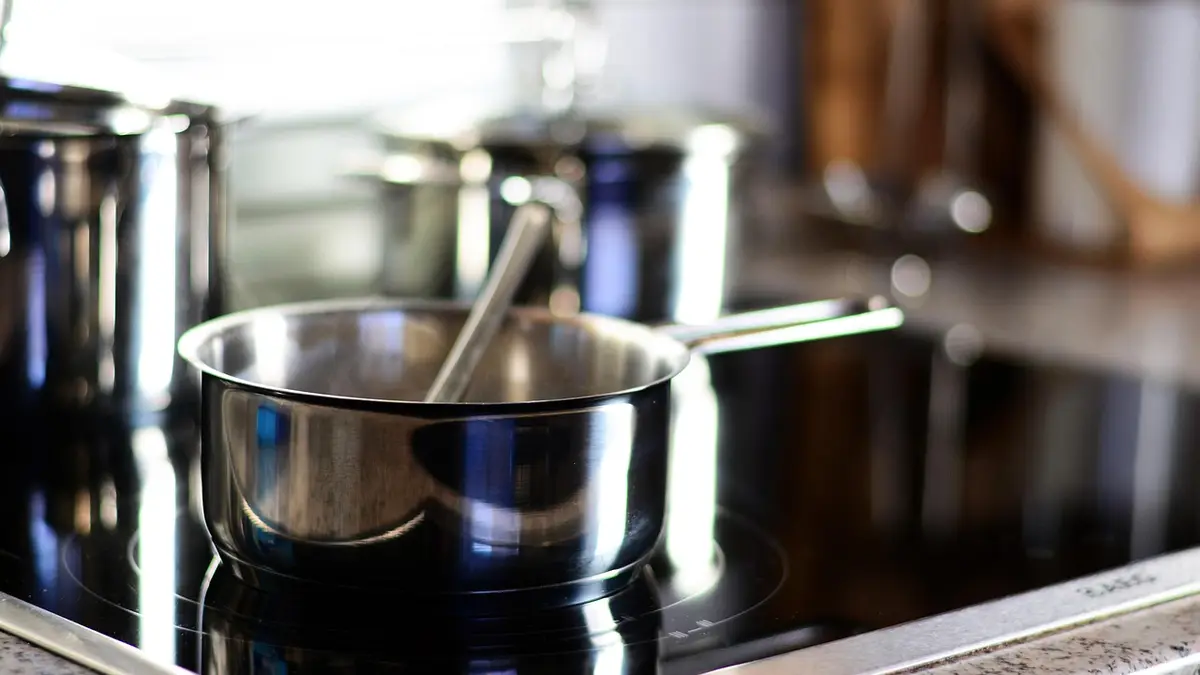
UK duty on stainless steel saucepans
Heading 7323 covers iron or steel table, kitchen and household articles and their parts, alongside steel wool and scourers. Ordinary stainless steel saucepans are candidates for 7323 93 00 90. The table shows saucepan variants sharing that commodity line, rather than separate tariff classifications.
Read from the UK Trade Tariff on 9 December 2026, the supplied data records 0% duty for goods from China under this line, with no anti-dumping duty, countervailing duty or suspension. It attaches import and export waste controls. Waste shipment controls apply only to waste. For saucepans imported from China as discarded goods or scrap, confirm the applicable requirements with your customs broker before shipment.
Confirm the commodity code using the finished saucepan's materials, construction and intended use. Give your broker a component breakdown, especially for composite bases and coated interiors. For wider heading context, see stainless steel frying pans.
| Goods | Commodity code | Duty | Anti-dumping or countervailing duty on China |
|---|---|---|---|
| Stainless steel saucepans with stainless steel lids | 7323 93 00 90 | 0% | None |
Specify the saucepan body, base and handle
Specify stainless steel grade and thickness for the body, inner cooking surface and outer base separately. Describe any aluminium core, encapsulated base or bonded layers. Agree usable capacity, rim shape, pouring lip, lid fit and handle attachment. Keep an approved sample with the production lid and handle fitted.
Food contact materials must comply with the applicable general food-contact framework. Request material identification and supporting test reports covering the cooking surface, lid underside and any coating or seal that contacts food. Match the evidence to the supplied model, intended foods, cooking temperatures and repeated use. Arrange the review through testing and certification.
Agree the intended hob types and verify induction performance on suitable hobs. Define acceptable rocking, heating behaviour, handle movement and lid fit before production. Check any oven or dishwasher claim against the complete saucepan, including its handle, lid knob and finishes.
Worked duty example
Illustrative example, not a quote: Illustrative order: 900 stainless steel saucepans; illustrative whole-pound FOB and freight values under 7323 93 00 90, invoiced at £7,500 free on board, with £900 of freight and insurance to the UK. The customs value is £8,400. Duty at 0% is £0. Import VAT at 20% is charged on the customs value plus duty, £8,400, so it is £1,680. With no duty, the only import tax is the VAT, which a VAT-registered importer can usually reclaim. The import duty and VAT guide explains each step.
Inspection checklist
Materials and interior: match material records to the approved specification; check thickness, rim smoothness, rivets, polishing residue, scratches and corrosion spots.
Base and heating: check cold stability, then repeat after agreed heating and cooling cycles; inspect bonded edges for gaps and verify operation on the intended hob.
Handle and lid: check attachment security with the pan filled under controlled conditions; inspect handle movement, grip clearance, lid seating and pouring behaviour.
Packing and arrival: inspect protection around rims, handles and lids; check unpacked stock for dents, bent handles and chipped glass. Agree the sampling brief through quality inspection.
Working out your own order? Send us the product on WhatsApp and we reply the same working day: WhatsApp us
What goes wrong
An induction claim can fail when the outer base material or construction changes. A saucepan may sit flat when cold but rock after heating, while a poorly bonded base can separate at the edge. Compare production samples with the approved construction and repeat heating checks after arrival.
Loose rivets, sharp rims and handles that become uncomfortable during cooking can make an attractive sample unsuitable in use. Tight nesting can scratch interiors or bend handles during transport. Record acceptance criteria, retain the approved sample and require your agreement before changes to materials, coatings or attachments.
Cambridge China Bridge sources these products for UK businesses, checking the factory and the documents before shipment. See factory verification. For repeat volumes, see container programmes.
Frequently asked questions
What is the UK import duty on stainless steel saucepans from China?
The supplied tariff data records 0% under 7323 93 00 90, with no anti-dumping duty, countervailing duty or suspension. Confirm the finished saucepan's classification.
What food contact documents should I request?
Request material identification and supporting test reports for the cooking surface and other food-contact components. Match them to the supplied model, intended foods, temperatures and repeated use.
How do I check whether a saucepan works on induction?
Agree the outer base material and construction, then test production samples on the intended induction hobs. Check heating, stability and base condition after heating and cooling.
Should I choose riveted or welded saucepan handles?
Specify the attachment and assess the finished pan. Check security when filled, movement after heating, grip clearance and access for cleaning around the attachment.