Sourcing sports mouthguards from China
Plastic sports mouthguards entered under heading 3926 carry 6% UK duty from China, with no trade remedy recorded. Confirm classification for the actual design. For protective sports models, check personal protective equipment compliance before sale in Great Britain. Cambridge China Bridge sources sports mouthguards.
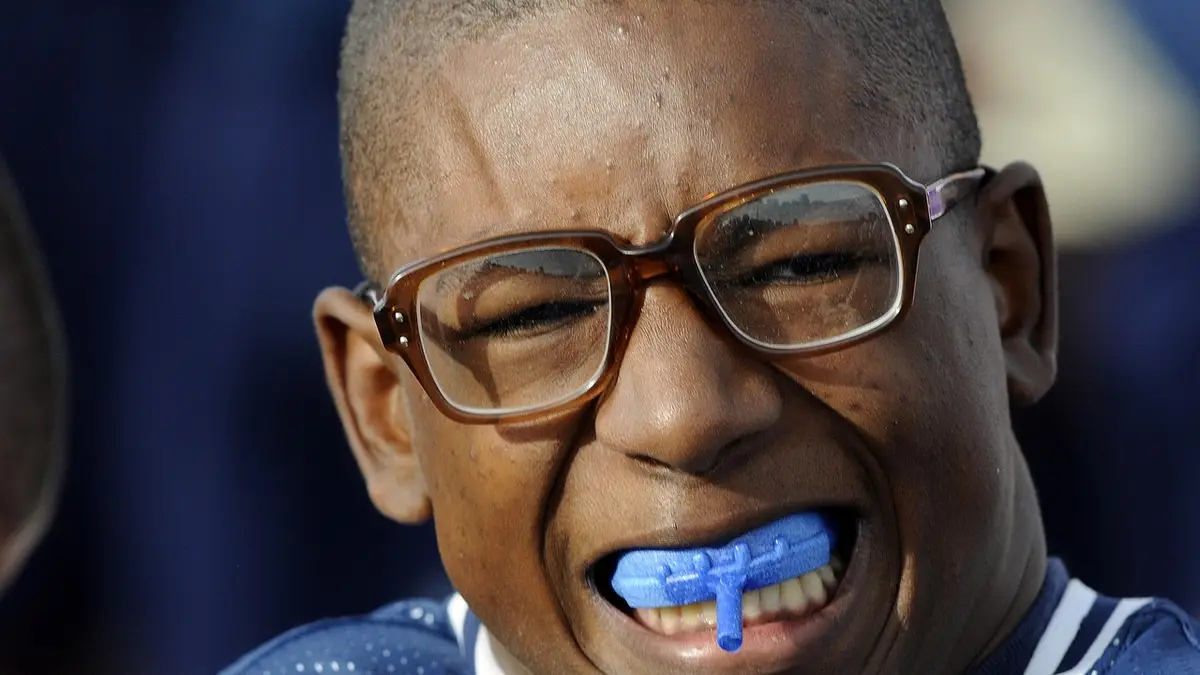
UK duty on plastic sports mouthguards
Read from the UK Trade Tariff on 30 September 2026, heading 3926 covers other articles of plastics. Its residual line 3926 90 97 90 carries 6% duty for goods from China, with no anti-dumping or countervailing duty recorded. The table shows product variants sharing that candidate code, not separate tariff lines. Listed suspensions concern named products; the supplied facts do not identify sports mouthguards as eligible.
The UK Trade Tariff attaches veterinary control, an import prohibition concerning goods for torture and repression, and an export restriction concerning those goods to the residual line. These are broad tariff flags, not evidence that ordinary synthetic sports mouthguards are prohibited. Confirm the applicable requirements and declaration documents with your customs broker, particularly if any material is animal-derived.
Send the material composition, construction, intended sporting use and packaging to your broker to confirm the commodity code. For certainty, ask HMRC or your customs broker about obtaining a binding classification decision. Wider sports products are covered in our fitness equipment guide.
| Goods | Commodity code | Duty | Anti-dumping or countervailing duty on China |
|---|---|---|---|
| Stock plastic sports mouthguards, subject to classification confirmation | 3926 90 97 90 | 6% | None |
Specify fit, material and protective use
Define stock or heat-mouldable construction, intended wearer sizes, dental coverage, bite profile, edge shape and any strap attachment. Fix the resin grade, colour ingredients and layer construction against approved samples. For heat-mouldable models, agree the fitting method and assess samples after following the proposed instructions, rather than judging only the unmoulded shape.
Keep the intended purpose specific to sports protection. Official guidance says products for sport or leisure are generally not medical devices; do not assume the same treatment applies to a mouthguard marketed for a medical purpose. HSE states that most new PPE placed on the Great Britain market must be UKCA or CE marked and supplied with a declaration of conformity and instructions in English.
Ask for model-specific conformity evidence and material reports through testing and certification. The PPE importer must indicate its name, registered trade name or trademark and postal address on the PPE. Confirm with HSE or a qualified chemical compliance adviser whether candidate-list substances in the mouthguard create UK REACH safe-use information duties, including any requirement to disclose the substance name.
Worked duty example
Illustrative example, not a quote: Illustrative order: 5,000 heat-mouldable sports mouthguards under 3926 90 97 90, invoiced at £6,000 free on board, with £400 of freight and insurance to the UK. The customs value is £6,400. Duty at 6% is £384. Import VAT at 20% is charged on the customs value plus duty, £6,784, so it is £1,356.80. Import taxes total £1,740.80; a VAT-registered importer can usually reclaim the VAT, so the lasting cost is the £384 of duty. The import duty and VAT guide explains each step.
Inspection checklist
Shape: compare channel width, bite profile, coverage and edge finish with the approved sample; reject sharp flash, splits and distorted channels.
Moulding: follow the approved fitting instructions on fresh samples; check for collapsed walls, uneven thinning and separation between layers.
Material: compare flexibility, colour and surface finish with retained samples; investigate strong odour, sticky surfaces or visible contamination.
Packing: check model and size identification, supplied instructions, conformity paperwork and strap attachment against the order. Inspect arrival stock as well as pre-shipment samples; see quality inspection.
Working out your own order? Send us the product on WhatsApp and we reply the same working day: WhatsApp us
What goes wrong
A mouthguard can look correct before fitting but lose its shape when heated. Thin bite areas, rough trimmed edges, separating layers and weak strap joints are practical failure points. Record acceptance criteria on fitted samples and require approval before the factory changes resin, colour ingredients or mould geometry.
Generic certificates may describe a different model from the delivered goods. Compare document identifiers with the actual design and packaging, and hold disputed stock for investigation. Keep sports-protection descriptions separate from proposed medical uses so the intended purpose remains clear.
Cambridge China Bridge sources these products for UK businesses, checking the factory and the documents before shipment. See factory verification. For repeat volumes, see container programmes.
Frequently asked questions
What is the UK import duty on sports mouthguards from China?
The supplied tariff facts show 6% for plastic articles under 3926 90 97 90, with no anti-dumping or countervailing duty recorded. Confirm that your mouthguard belongs in that line.
Do sports mouthguards need CE or UKCA marking?
For protective sports models, check the PPE route. HSE says most new PPE placed on the Great Britain market must be UKCA or CE marked, with a declaration of conformity and instructions in English.
What should I ask a mouthguard factory to specify?
Agree the resin grade, colour ingredients, wearer sizes, bite profile, coverage, layer construction and fitting instructions. Approve fitted samples before bulk production.
How do I check heat-mouldable mouthguards on arrival?
Follow the approved fitting instructions on fresh samples. Compare the resulting shape with retained samples and check thinning, edge finish, layer separation and strap attachment.