Sourcing solid-fuel warm-air furnaces from China
Solid-fuel warm-air furnaces within the relevant heading 7322 line carry 2% UK duty from China, with no listed trade remedy. In smoke control areas, unauthorised fuels such as wood can only be burned in exempt appliances. Check the exact model and intended fuel before ordering. Cambridge China Bridge sources solid-fuel warm-air furnaces.
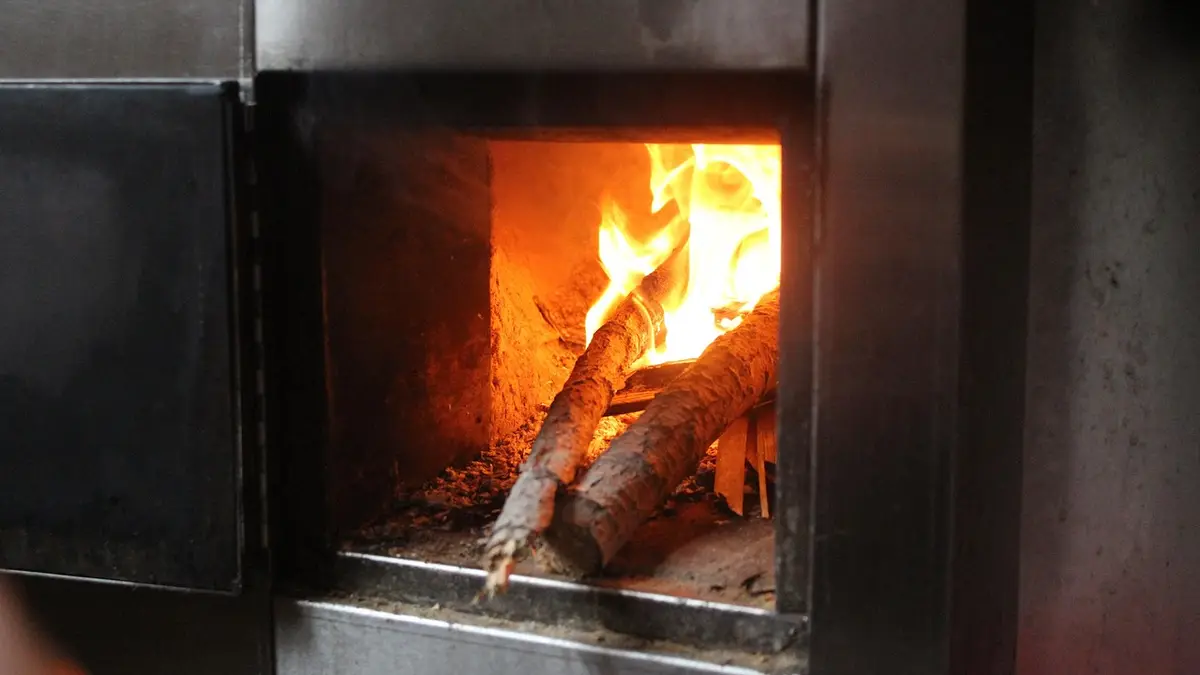
Duty on solid-fuel warm-air furnaces
Heading 7322 covers non-electrically heated iron or steel air heaters incorporating a motor-driven fan or blower, and their parts, alongside central heating radiators. This guide covers solid-fuel warm-air furnaces meeting that description. The table lists furnace variants sharing the same commodity line. For related products within the wider heading, see gas-fired warm-air unit heaters. For cast iron radiators, see our sectional cast iron radiator sourcing guide. For another heating product, see our hydronic trench convector sourcing guide.
Read from the UK Trade Tariff on 30 September 2026, line 7322 90 00 90 carries 2% duty for goods from China. The supplied record lists no anti-dumping or countervailing duty, suspension, steel measure or attached import control for this line.
Confirm the material, solid-fuel heating method and motor-driven fan configuration using the commodity code guide. Give your customs broker the drawings and complete product description, and confirm separately supplied components individually.
| Goods | Commodity code | Duty | Anti-dumping or countervailing duty on China |
|---|---|---|---|
| Wood-burning iron or steel warm-air furnaces with motor-driven fans | 7322 90 00 90 | 2% | None |
Specify the fuel, heat exchanger and duct duty
Specify the intended fuel, fuel condition, useful heat output, airflow against duct resistance, fan electrical supply and control arrangement. Request drawings showing the combustion chamber, heat exchanger, flue outlet, duct connections, ash removal and cleaning access. Ask for test results using the intended fuel and distinguish useful heat delivered to the air from fuel input.
Before placing the furnace on the market, you must be able to demonstrate compliance with relevant regulations and safety requirements. Ask a testing and certification provider to identify the rules applying to the complete configuration. Where machinery safety rules apply, compliance includes essential safety requirements, conformity assessment, a declaration of conformity and the relevant marking.
In smoke control areas, unauthorised fuels such as wood can only be burned in exempt appliances, and users must follow the manufacturer's permitted fuel types. Confirm the exact model's exemption status for the intended location. Ask the local council about the proposed installation, chimney and approvals before ordering; the permit needed depends on fuel type and quantity.
Worked duty example
Illustrative example, not a quote: Illustrative order of 2 solid-fuel warm-air furnaces under 7322 90 00 90, invoiced at £6,000 free on board, with £1,120 of freight and insurance to the UK. The customs value is £7,120. Duty at 2% is £142.40. Import VAT at 20% is charged on the customs value plus duty, £7,262.40, so it is £1,452.48. Import taxes total £1,594.88; a VAT-registered importer can usually reclaim the VAT, so the lasting cost is the £142.40 of duty. The import duty and VAT guide explains each step.
Inspection checklist
Identity and documents: match the model, fan, controller, fuel-feed mechanism and heat exchanger to the approved drawings and supporting documents. Check that the manual describes the supplied configuration.
Combustion separation: have a competent test team check heat-exchanger integrity, door seals, flue joints and overheat response against an agreed test plan. For automatic-feed models, include feed interruption and restart behaviour.
Air delivery: check fan direction, vibration, airflow under the agreed duct resistance and outlet temperature against the approved test conditions. Inspect fan guards, access panels and cleaning access.
Arrival and packing: check for cracked refractory, bent duct collars, crushed casing, displaced fans and loose electrical connections. Record damage before assembly and agree the inspection scope before shipment.
Working out your own order? Send us the product on WhatsApp and we reply the same working day: WhatsApp us
What goes wrong
A catalogue output can describe fuel input rather than useful air heating, or come from a test with a different fuel and no duct resistance. A changed fan or controller can also alter performance. Freeze the component list, fuel specification and test conditions before production, and require proposed substitutions to be reported.
Door seals, heat-exchanger joints and refractory can be damaged during manufacture or transport. Blocked cleaning access makes ash removal difficult, while a generic claim of smoke-control suitability may not identify the supplied model. Resolve discrepancies in the furnace, documentation and site suitability before accepting the batch.
Cambridge China Bridge sources these products for UK businesses, checking the factory and the documents before shipment. See factory verification. For repeat volumes, see container programmes.
Frequently asked questions
What is the UK import duty on solid-fuel warm-air furnaces from China?
The supplied tariff record gives 2% duty under 7322 90 00 90, with no listed trade remedy or suspension. Confirm that the complete furnace meets the commodity description.
Can I use a wood-burning furnace in a smoke control area?
Unauthorised fuels such as wood can only be burned in exempt appliances there. Confirm the supplied model's exemption status and use only fuel types permitted by its manufacturer.
What safety documents should I request?
Ask for model-specific test reports and instructions. Where machinery safety rules apply, obtain the declaration of conformity and check the relevant conformity marking and assessment.
How do I compare furnace heat output?
Compare useful heat delivered to the air using the same fuel conditions and duct resistance. Request airflow and outlet-temperature results, and distinguish useful output from fuel input.