Sourcing vegetable-oil soapstock from China
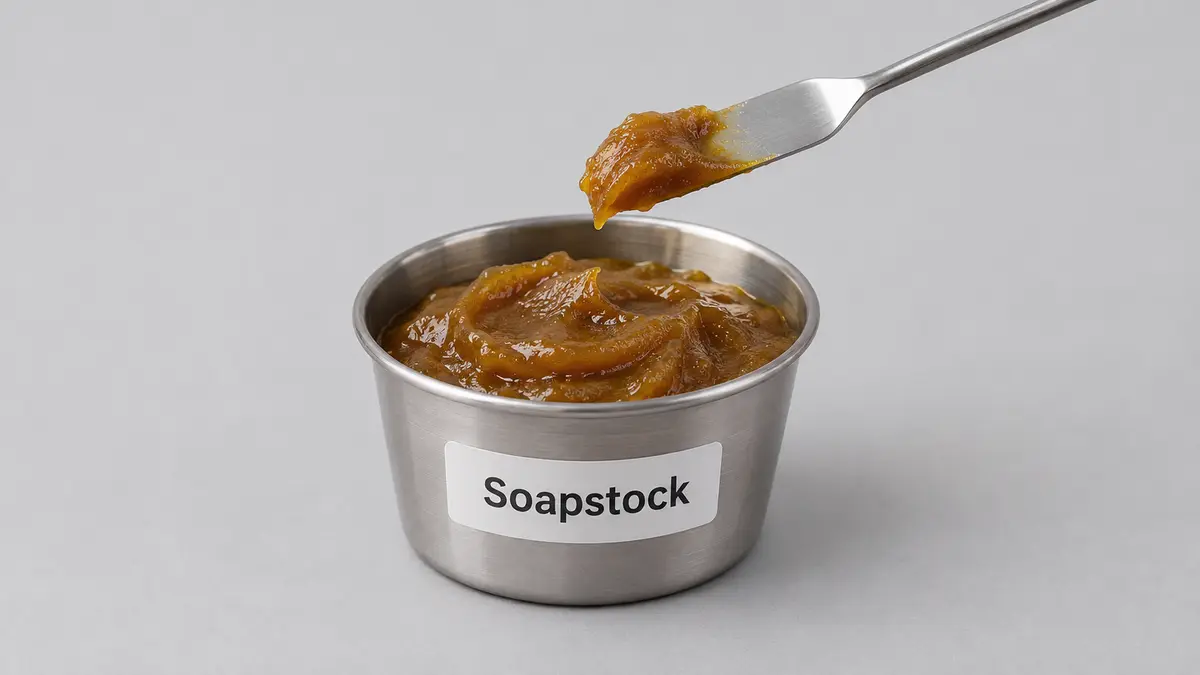
Vegetable-oil soapstock from China pays 2% UK duty, or £25 per 100 kg where the contained oil has olive-oil characteristics. Establish whether the material is waste before shipping: notified waste imports into England require consent from the relevant authorities. Cambridge China Bridge sources vegetable-oil soapstock.
Buying from China for a business? How our UK China sourcing agent service works · China sourcing agent for small orders and first imports
Soapstock duty depends on the contained oil
Read from the UK Trade Tariff on 29 September 2026, heading 1522 covers degras and residues from treating fatty substances or animal or vegetable waxes. Vegetable-oil soapstock without olive-oil characteristics falls under 1522 00 91 00 at 2%; soapstock containing oil with olive-oil characteristics falls under 1522 00 31 00 at £25 per 100 kg. The table includes neighbouring residue lines for classification comparison.
The supplied tariff snapshot lists no anti-dumping or countervailing duty and no suspension. It attaches veterinary control, waste import control and waste export control to these lines. For a wholly vegetable consignment from China, ask your customs broker to confirm how the veterinary control is satisfied. Also confirm the applicable waste procedure; the heading alone does not establish the material's waste status.
Confirm the commodity code using the refinery process, source oils and batch analysis. Do not select a neighbouring residue line simply because its duty is lower. For the wider heading, see degras and oil residues.
| Goods | Commodity code | Duty | Anti-dumping or countervailing duty on China |
|---|---|---|---|
| Vegetable-oil soapstock without olive-oil characteristics | 1522 00 91 00 | 2% | None |
| Soapstock containing oil with olive-oil characteristics | 1522 00 31 00 | £25.00 per 100 kg | None |
| Other residues with olive-oil characteristics, for classification comparison | 1522 00 39 00 | £40.00 per 100 kg | None |
| Other oil-treatment residues, for classification comparison | 1522 00 99 00 | 0% | None |
Specify the refinery stream and usable oil content
Ask for soapstock from a named vegetable-oil refining process. Specify source oils, whether batches are blended, and whether the material is raw soapstock or has been acidulated. Agree total fatty matter, moisture, insoluble impurities, free fatty acids, residual alkali and sampling methods. State whether analysis is reported on the material as delivered or on a dry basis.
Define the intended industrial use, acceptable contaminants, storage conditions and packing. Agree how a settled or viscous batch will be sampled and unloaded. Check non-waste chemical supply against UK REACH: it generally applies to individual substances supplied on their own or in mixtures. For proposed feed use, obtain a separate suitability assessment before ordering.
For deliveries into England, assess waste status before shipment. A material is waste if its holder has discarded it. Where notification controls apply, shipment can start after consent from the Environment Agency and the other competent authorities involved. Ask the broker to confirm the procedure and documents for the actual material from China.
Worked duty example
Illustrative example, not a quote: Illustrative order: 20 tonnes of non-olive vegetable-oil soapstock in bulk under 1522 00 91 00, invoiced at £30,000 free on board, with £2,500 of freight and insurance to the UK. The customs value is £32,500. Duty at 2% is £650. Import VAT at 20% is charged on the customs value plus duty, £33,150, so it is £6,630. Import taxes total £7,280; a VAT-registered importer can usually reclaim the VAT, so the lasting cost is the £650 of duty. The import duty and VAT guide explains each step. This assumes the goods are standard-rated for VAT. Most food for human consumption is zero-rated, and animal feed can be too, in which case no import VAT is due, so check the rate for your product in HMRC's VAT Notice 701/14.
Inspection checklist
Identity: match the refinery, source oils, process description and batch references to the purchase specification and classification evidence.
Composition: compare independent samples with the batch analysis for fatty matter, water, insolubles and residual alkali. Account for settling before accepting a sample as representative.
Packing: check tank or drum cleanliness, seals, leaks and the agreed unloading method. Inspect for water ingress and unexplained separation on arrival.
Documents: match waste-status evidence, applicable shipment documents and the broker's veterinary-control confirmation to the consignment. Use quality inspection guidance to brief the inspector.
Working out your own order? Send us the product on WhatsApp and we reply the same working day: WhatsApp us
What goes wrong
A sample taken from the oily surface can hide water and sediment below. Fatty matter reported on a dry basis can overstate the useful content of the delivered batch. Variable source oils, excessive alkali or acidulation can also make the shipment behave differently from the approved sample.
Paperwork fails when the invoice, refinery records and analysis describe different materials, or waste status is left unresolved until dispatch. Agree a representative sampling method and acceptance criteria before payment. Keep each batch traceable through loading and receipt.
Cambridge China Bridge sources these products for UK businesses, checking the factory and the documents before shipment. See factory verification. For repeat volumes, see container programmes.
Frequently asked questions
What is the UK import duty on vegetable-oil soapstock from China?
The supplied tariff snapshot lists 2% under 1522 00 91 00, or £25 per 100 kg under 1522 00 31 00 for soapstock containing oil with olive-oil characteristics.
Is vegetable-oil soapstock automatically waste?
Assess the actual material and its history. Environment Agency guidance says a material is waste if its holder has discarded it. Obtain evidence of its status before arranging shipment.
Does plant-only soapstock need veterinary clearance?
The supplied tariff snapshot attaches veterinary control. Ask your customs broker to confirm the requirement for the wholly vegetable consignment from China, using its composition and refinery records.
What should I test before accepting soapstock?
Check fatty matter, moisture, insoluble impurities and residual alkali against the agreed specification. Use representative sampling and confirm whether results describe the delivered material or a dry basis.