Sourcing degras and oil residues from China
Degras and oil residues from China carry UK duty of 0% to 2%, or £25 to £40 per 100 kg for residues containing oil with olive oil characteristics. Establish animal origin and waste status before ordering: notified waste needs consent before shipment, and animal-origin material needs its import route confirmed. Cambridge China Bridge sources degras and oil residues.
Buying from China for a business? How our UK China sourcing agent service works · China sourcing agent for small orders and first imports
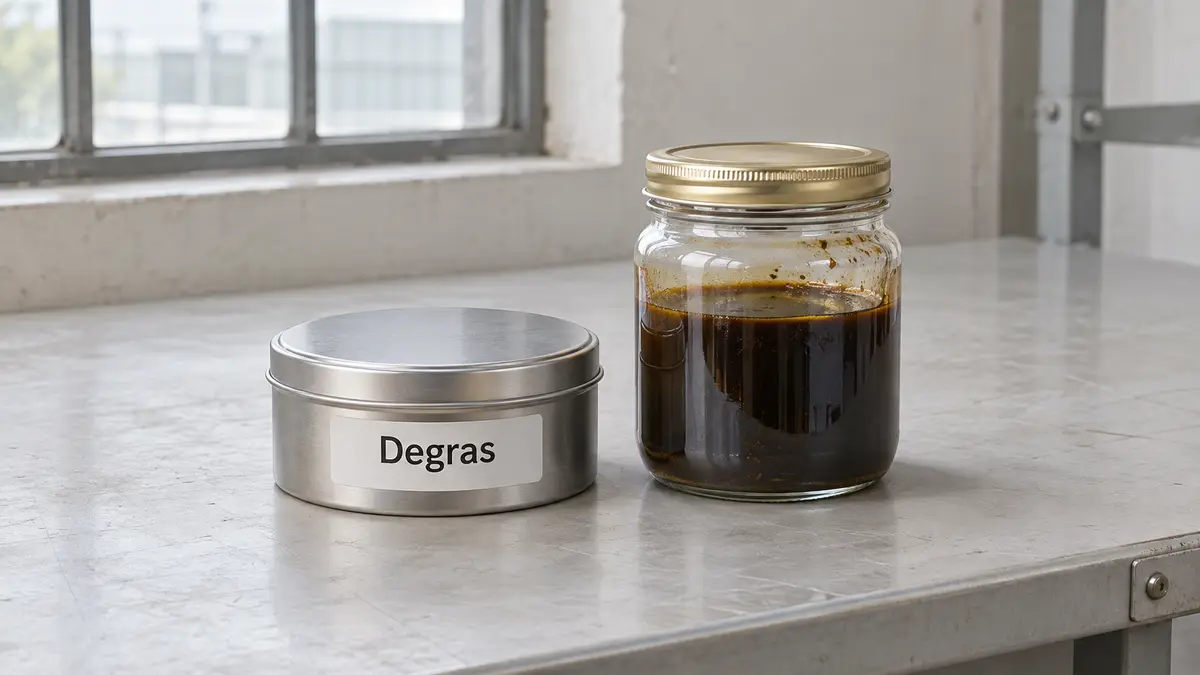
Percentage and weight-based duty
Read from the UK Trade Tariff on 25 November 2026, heading 1522 covers degras and residues from treating fatty substances or animal or vegetable waxes. Degras and other oil foots, dregs and soapstocks pay 2% from China. Olive-characteristic soapstocks pay £25 per 100 kg; other olive-characteristic residues pay £40 per 100 kg. Other residues pay 0%. The supplied tariff record shows no anti-dumping or countervailing duty and no suspensions.
Every listed line has veterinary control and waste import and export controls attached. For notified waste entering England, shipment can begin only after the Environment Agency and other competent authorities consent. Animal by-products entering Great Britain require an approved border control post; medium and high risk imports need a health certificate. Ask your customs broker to confirm the controls and documents for the Chinese material, its processing and intended use.
Use the original feedstock, treatment process, composition and intended use to confirm the commodity code. Do not classify solely from a supplier's description of oil sludge or soapstock. Ask your broker to establish whether the material is waste and which shipment procedure applies before booking transport.
| Goods | Commodity code | Duty | Anti-dumping or countervailing duty on China |
|---|---|---|---|
| Degras | 1522 00 10 00 | 2% | None |
| Soapstocks containing oil with olive oil characteristics | 1522 00 31 00 | £25.00 per 100 kg | None |
| Other residues containing oil with olive oil characteristics | 1522 00 39 00 | £40.00 per 100 kg | None |
| Other oil foots, dregs and soapstocks | 1522 00 91 00 | 2% | None |
| Other residues from treating fats or animal or vegetable waxes | 1522 00 99 00 | 0% | None |
Specify the feedstock and recoverable fat
Identify the source oil or wax, any animal material, and the factory process that produces the residue. For soapstocks, specify total fatty matter, free fatty acids, moisture, insoluble impurities and residual alkali. For degras, agree fat content, water content and consistency. Describe the intended industrial process and agree how samples will be taken and tested.
Agree drum or tank packing, mixing before sampling, unloading conditions and acceptable separation. Request batch analysis and source records rather than relying on a sample from an unidentified lot. Use factory verification to check the plant's process and batch records. For hazardous mixtures, confirm any safety data sheet requirements with the relevant authority or your customs broker.
Worked duty example
Illustrative example, not a quote: Illustrative order: 10 tonnes of vegetable-oil soapstocks for industrial processing under 1522 00 91 00, invoiced at £4,000 free on board, with £2,500 of freight and insurance to the UK. The customs value is £6,500. Duty at 2% is £130. Import VAT at 20% is charged on the customs value plus duty, £6,630, so it is £1,326. Import taxes total £1,456; a VAT-registered importer can usually reclaim the VAT, so the lasting cost is the £130 of duty. The import duty and VAT guide explains each step. This assumes the goods are standard-rated for VAT. Most food for human consumption is zero-rated, and animal feed can be too, in which case no import VAT is due, so check the rate for your product in HMRC's VAT Notice 701/14.
Inspection checklist
Identity: compare feedstock and process records with the ordered material, including any animal content.
Composition: test representative arrival samples for fatty matter, moisture, insoluble impurities and residual alkali against the agreed specification.
Packing: check seals, leaks, corrosion, batch identification and settled material before unloading.
Documents: match batch analysis, source records and the broker-confirmed veterinary or waste documents to the consignment. See quality inspection explained.
Working out your own order? Send us the product on WhatsApp and we reply the same working day: WhatsApp us
What goes wrong
A surface sample can hide water or solids settled below it. Mixed feedstocks can change fatty matter, odour and processing behaviour between batches. Excess alkali can make soapstock unsuitable for the buyer's process, while poor seals can cause leakage during transport.
Another failure is ordering industrial residue as though it were ordinary refined oil. Establish waste status and the import route before payment. For animal-origin material proposed for food or feed, ask your broker to confirm whether that specific Chinese product can legally enter before ordering; this guide does not establish its eligibility.
Cambridge China Bridge sources these products for UK businesses, checking the factory and the documents before shipment. See factory verification. For repeat volumes, see container programmes.
Frequently asked questions
What is the UK import duty on soapstocks from China?
Other soapstocks under 1522 00 91 00 pay 2%. Soapstocks containing oil with olive oil characteristics under 1522 00 31 00 pay £25 per 100 kg. Other lines carry 0%, 2% or £40 per 100 kg.
Do oil residues need waste shipment consent?
The tariff attaches waste controls. Ask your broker to confirm waste status and the procedure. Notified waste entering England cannot ship until the Environment Agency and other competent authorities consent.
Can I import animal-origin residues from China?
Confirm eligibility for the exact material and use before ordering.
What should I test when soapstock arrives?
Check fatty matter, moisture, insoluble impurities and residual alkali against the agreed specification. Take representative samples after agreed mixing, because water and solids can settle.