Sourcing slippers and other footwear from China
Footwear of heading 6405 from China, such as felt and textile-soled slippers or shoes with uppers of other materials, pays 2%, 4% or 16% UK duty depending on the upper and outer sole, with no anti-dumping duty. The footwear labelling regulations require the materials of the upper, lining and sock, and outer sole to be shown. Cambridge China Bridge sources slippers and other footwear.
Buying from China for a business? How our UK China sourcing agent service works · China sourcing agent for small orders and first imports
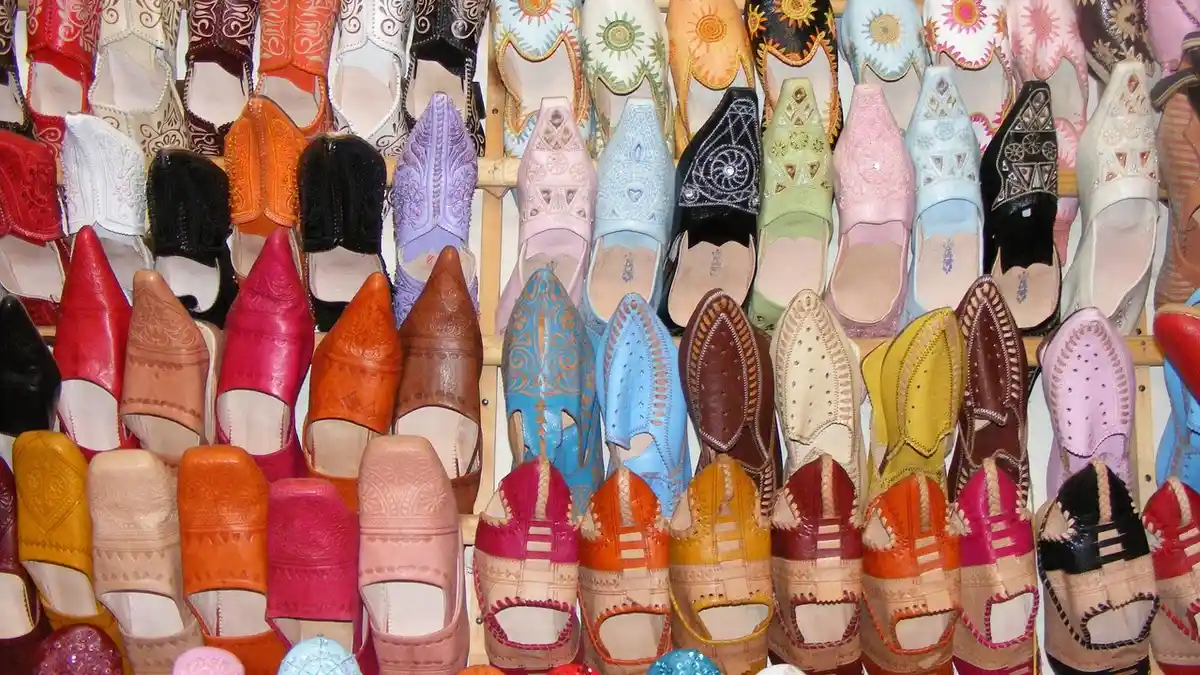
The sole and upper set the rate
Read from the UK Trade Tariff on 25 September 2026, heading 6405 covers footwear not classified in the rubber, plastic, leather or textile-upper headings before it. Leather uppers carried 2%, textile uppers with wood or cork soles 2%, other textile-upper footwear including slippers 4%, other uppers on rubber, plastic or leather soles 16%, and other uppers on other soles 4%. None had an anti-dumping measure.
Most mainstream shoes fall in headings 6402 to 6404 instead; the footwear guide covers those. Confirm the commodity code from the upper and sole materials. For moulded EVA footwear, see our EVA clog sourcing guide.
| Goods | Commodity code | Duty | Anti-dumping duty on China |
|---|---|---|---|
| Uppers of leather or composition leather | 6405 10 00 00 | 2% | None |
| Textile uppers, outer soles of wood or cork | 6405 20 10 00 | 2% | None |
| Textile uppers, slippers and other indoor footwear | 6405 20 91 00 | 4% | None |
| Textile uppers, other | 6405 20 99 00 | 4% | None |
| Other uppers, soles of rubber, plastics or leather | 6405 90 10 00 | 16% | None |
| Other uppers, soles of other materials | 6405 90 90 00 | 4% | None |
Labelling
The Footwear (Indication of Composition) Labelling Regulations 1995 require footwear to show the material of the upper, the lining and sock, and the outer sole, by pictogram or words, on at least one item of each pair.
Slippers also fall under general product safety law. Children's slippers need grip and fastening checked, and fur trims must not use cat or dog fur, which the tariff lists as an import control.
Specification
Specify upper and sole materials, sizes and grading, sole thickness and slip resistance, and washing instructions. Changing a rubber sole to a textile sole can change the duty, so fix the materials on the approved sample.
Worked duty example
An invented example rather than a quote: 20,000 pairs of textile slippers, commodity code 6405 20 91 00, bought for £34,000 free on board, with £3,000 of freight and insurance, so £37,000 is the value customs works from. Duty at the 4% rate for textile slippers is £1,480. VAT at 20% applies to £38,480, so £7,696. A VAT-registered buyer usually recovers the VAT, so the border adds £1,480 to the landed cost. See calculating UK import duty and VAT for the method.
Inspection checklist
Size and build: insole length measured on every size against the UK size mark, sole adhesion tested on whole shoes by ISO 17708, outsole flex resistance by ISO 17707, and the heel and toe checked for loose stitching or glue marks on each carton opened.
Slip and lining: slip resistance tested by ISO 13287 on a smooth floor under the conditions the buyer specifies, colour fastness of linings and socks to rubbing tested by ISO 17700, and insole foam checked for recovery after compression against the approved sample.
Labels and chemicals: the composition of upper, lining and sock, and outer sole marked as the Footwear (Indication of Composition) Labelling Regulations 1995 require, leather parts tested for chromium VI under UK REACH Annex XVII entry 47 and dyed textiles for azo dyes under entry 43, and felt and textile slippers packed dry with desiccant.
Working out your own order? Send us the product on WhatsApp and we reply the same working day: WhatsApp us
What goes wrong
Slippers fail on sizing, soles and slip. Sizes marked in Chinese or EU sizing come up small against UK sizes, thin foam insoles flatten within weeks, and soles glued rather than stitched peel at the toe. Smooth soles are slippery on laminate and tiles, which is the complaint that matters most for older buyers, and dyed faux fur sheds or bleeds onto socks.
Measure insole length against the size mark on every size, check sole bonding with a peel test, test slip on a smooth wet floor or ask for a slip resistance test, check colour fastness to rubbing on linings, and check the composition label on each pair against the materials used.
Inspection
At inspection, check size marking against measured length, pairing, sole bonding, stitching and labels.
Cambridge China Bridge sources slippers and other footwear, with materials, labels and duty settled before the order. See how our sourcing service works.
Waterproof moulded footwear has its own heading; see our wellington and rubber boots guide.
Related guides: Sourcing shoe soles, uppers and insoles.
Frequently asked questions
What is the UK import duty on slippers from China?
Read from the UK Trade Tariff on 25 September 2026, textile-upper slippers of heading 6405 carried 4% from China; slippers with rubber or plastic soles and textile uppers are usually classified in heading 6404 instead.
Which heading 6405 line carries 16%?
Footwear with uppers of other materials on outer soles of rubber, plastics, leather or composition leather.
What must a footwear label show?
The material of the upper, the lining and sock, and the outer sole, under the 1995 footwear labelling regulations.
Is there anti-dumping duty on Chinese footwear?
Not on heading 6405 on 25 September 2026.