Sourcing real fur earmuffs from China
Real fur earmuffs from China under 4303 10 90 00 carry 2% UK duty, with no anti-dumping or countervailing duty listed. Check the fur species: confirm cat and dog fur restrictions and any seal-product exemptions with your customs broker, and check whether CITES permits are needed. Cambridge China Bridge sources real fur earmuffs.
Buying from China for a business? How our UK China sourcing agent service works · China sourcing agent for small orders and first imports
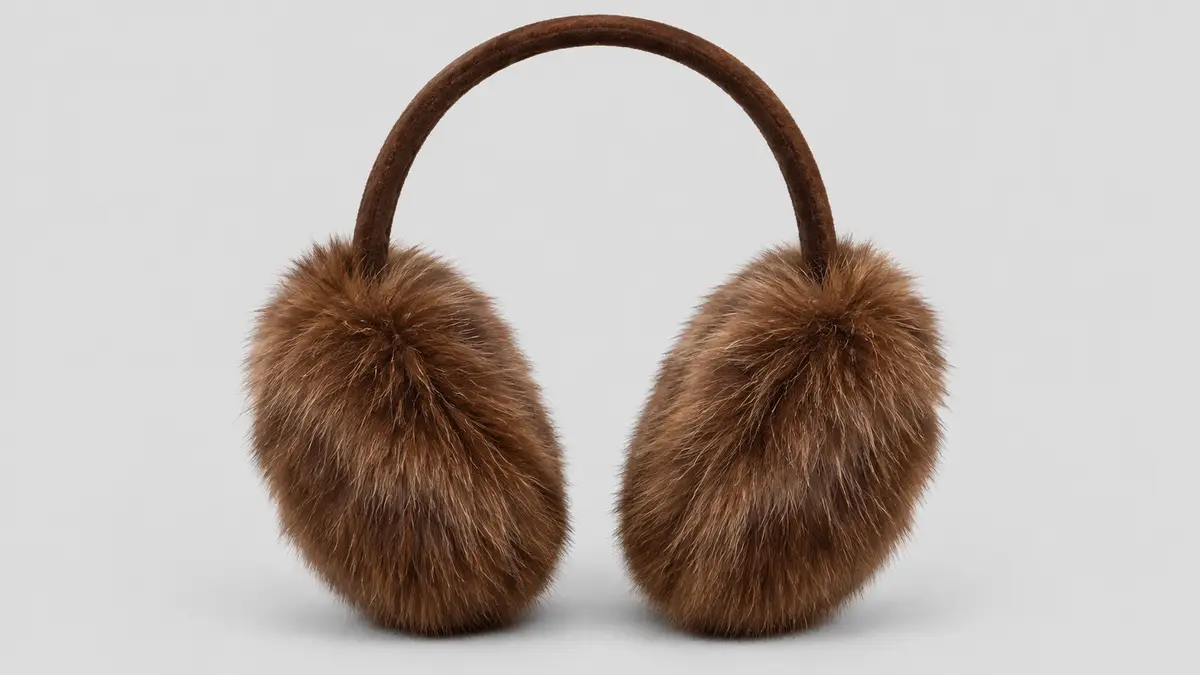
2% duty on real fur earmuffs
Read from the UK Trade Tariff on 9 October 2026, heading 4303 covers articles of apparel, clothing accessories and other articles of furskin. Real fur earmuffs entered as furskin clothing accessories under 4303 10 90 00 carry 2% duty on goods from China. No anti-dumping duty, countervailing duty or suspension is listed. The table shows earmuff variants sharing this commodity line.
The tariff attaches CITES, cat and dog fur, seal product and entry-into-free-circulation controls. Ask your broker to confirm the import and sale restrictions for cat and dog fur. For seal products, ask your broker to confirm any applicable exemption, eligibility and the required attesting documents. Check CITES status and applicable permits before shipment. For the separate free-circulation restriction, ask your broker to confirm species, skin origin and any trapping-control certification. HMRC guidance says the trapping control does not apply to animals born and bred in captivity.
Give your broker the complete construction, fur species and material breakdown to confirm the commodity code, particularly where fur is only a trim on a textile accessory. See the wider real fur trims guide for related sourcing considerations.
| Goods | Commodity code | Duty | Anti-dumping or countervailing duty on China |
|---|---|---|---|
| Rabbit fur earmuffs | 4303 10 90 00 | 2% | None |
Specify the fur pads and headband
Specify the animal species and scientific name, skin origin, farmed or wild source, dressing method, hair length, density and colour. Define pad shape, ear coverage, lining material, cushioning, headband material, adjustment and folding mechanism. Approve a complete sample for fit, pressure around the ears and appearance when worn. State acceptable shedding, colour transfer and odour against agreed samples and tests.
Consumer earmuffs sold in Great Britain must be safe in normal or reasonably foreseeable use. Include checks for exposed wire, sharp edges, pinching and loose decorations. Ask Trading Standards to confirm whether textile labelling rules apply to the earmuffs and what animal-origin wording is needed for the fur components. Approve the applicable labels and accurate species description before production.
Worked duty example
Illustrative example, not a quote: Illustrative order: 300 pairs of rabbit fur earmuffs under 4303 10 90 00, invoiced at £9,000 free on board, with £500 of freight and insurance to the UK. The customs value is £9,500. Duty at 2% is £190. Import VAT at 20% is charged on the customs value plus duty, £9,690, so it is £1,938. Import taxes total £2,128; a VAT-registered importer can usually reclaim the VAT, so the lasting cost is the £190 of duty. The import duty and VAT guide explains each step.
Inspection checklist
Species and documents: match the declared species and skin origin to the order and supporting documents; arrange independent species identification if uncertain.
Fur finish: check shedding, bald patches, odour and dye rub-off; compare the colour, density and hair direction of the paired pads.
Fit and construction: check adjustment, folding, pad alignment, seams and attachment strength; look for exposed wire, sharp edges and pinching.
Labels and packing: check applicable animal-origin wording and species descriptions; inspect for crushed pads, damp packing and mould.
Working out your own order? Send us the product on WhatsApp and we reply the same working day: WhatsApp us
What goes wrong
An approved sample can hide differences in production: substituted fur, mismatched pads, excessive shedding or dye that transfers onto skin and clothing. A tight headband becomes uncomfortable, while a loose band lets the pads slip. Weak pad attachments and folding joints can fail during handling.
Keep an approved complete sample and compare production against it before dispatch. Do not accept a vague species description as proof of the fur used. Resolve document and label discrepancies before shipment, and check arrival condition using the quality inspection guide.
Cambridge China Bridge sources these products for UK businesses, checking the factory and the documents before shipment. See factory verification. For repeat volumes, see container programmes.
Frequently asked questions
What is the UK import duty on real fur earmuffs from China?
The supplied tariff reading lists 2% duty under 4303 10 90 00, with no anti-dumping duty, countervailing duty or suspension. Confirm that the complete earmuffs belong in this code.
Can I import cat, dog or seal fur earmuffs?
Ask your broker to confirm the import and sale restrictions for cat and dog fur and products containing it. For seal products, ask your broker to confirm any applicable exemption, eligibility and attesting documents before ordering.
Do real fur earmuffs need CITES permits?
It depends on the species. Check the actual species against CITES controls and confirm the applicable permits or notification with the authorities before shipment.
What should I check in a real fur earmuff sample?
Check species evidence, shedding, dye rub-off, pad matching, headband pressure, adjustment and folding. Inspect seams and pad attachments, and approve the applicable labels.