Sourcing real fur scarves from China
Real fur scarves from China carry 2% UK duty under the furskin clothing-accessory line, with no anti-dumping or countervailing duty recorded. Species and origin matter: confirm cat and dog fur restrictions with the relevant authority or your customs broker, seal fur is restricted, and listed species need CITES checks. Cambridge China Bridge sources real fur scarves.
Buying from China for a business? How our UK China sourcing agent service works · China sourcing agent for small orders and first imports
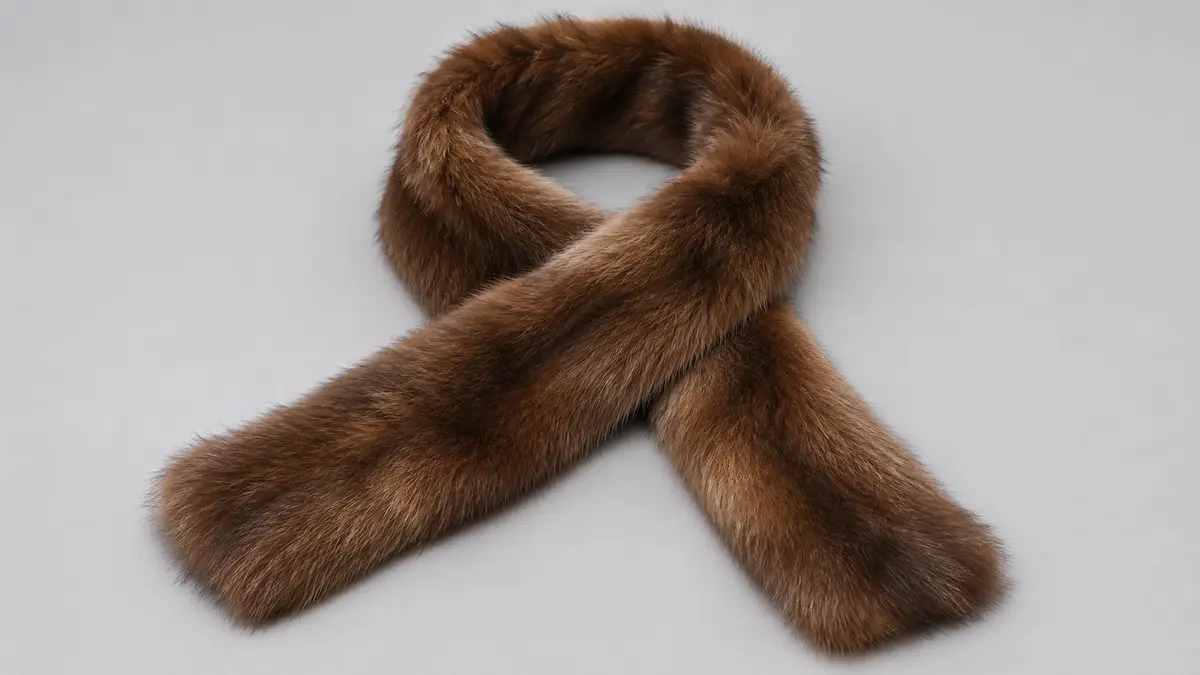
2% duty on furskin scarves
Read from the UK Trade Tariff on 9 October 2026, heading 4303 covers furskin apparel, clothing accessories and other furskin articles. Real fur scarves fall within the clothing-accessory line 4303 10 90 00 when classified as furskin articles. The scarf examples in the table share this line. Goods from China carry 2% duty, with no anti-dumping or countervailing measure or duty suspension recorded.
The tariff attaches restrictions on entry into free circulation, CITES import controls, cat and dog fur controls and seal product controls. Confirm the restrictions on importing or selling cat and dog fur with the relevant authority or your customs broker before ordering. Seal products can be imported for sale only under narrow exceptions; the indigenous-hunt exception requires a seal catch attestation from a recognised body. For CITES-listed fur, confirm the applicable UK documents and contact the Chinese management authority for the corresponding export permit.
Some wild fur species are also subject to trapping-origin restrictions. Have your customs broker confirm the free-circulation requirement for the exact species and source before ordering. Send the broker the species, origin and construction details to confirm the commodity code, particularly for a textile scarf with fur edging. See real fur trims for the wider heading.
| Goods | Commodity code | Duty | Anti-dumping or countervailing duty on China |
|---|---|---|---|
| Rabbit furskin scarves | 4303 10 90 00 | 2% | None |
Specify the species and scarf construction
State the animal species and Latin name, farming or wild origin, and where the skins originated. Describe whether the scarf uses whole skins, joined pieces or fur strips, and approve the finished length, width, hair direction, lining and fastening. Keep an approved sample showing the intended drape and skin softness.
Agree colour and tipping, hair length and density, seam visibility, acceptable shedding and care instructions. Specify checks for dye transfer onto collars and lining. For a textile scarf with fur trim, ask the relevant authority to confirm the animal-origin labelling requirements; approve the label wording before production rather than assuming every furskin scarf has the same textile-labelling treatment.
Worked duty example
Illustrative example, not a quote: 300 rabbit fur scarves, illustrative order under 4303 10 90 00, invoiced at £9,000 free on board, with £500 of freight and insurance to the UK. The customs value is £9,500. Duty at 2% is £190. Import VAT at 20% is charged on the customs value plus duty, £9,690, so it is £1,938. Import taxes total £2,128; a VAT-registered importer can usually reclaim the VAT, so the lasting cost is the £190 of duty. The import duty and VAT guide explains each step.
Inspection checklist
Species: match the scarf and supplier records to the agreed species and skin origin; arrange independent identification if uncertain.
Skin and shedding: flex the scarf, inspect joined skins for tearing, pull-test the hair and check for brittle leather, bald patches and persistent odour.
Colour and construction: compare against the approved sample, check dye rub-off, hair direction, seam strength, lining puckering and fastening security.
Labels and packing: check species descriptions, agreed care instructions and applicable animal-origin wording; inspect arrival cartons for dampness and crushed pile.
Working out your own order? Send us the product on WhatsApp and we reply the same working day: WhatsApp us
What goes wrong
Substituted species, poorly dressed skins and mismatched pieces can turn an approved sample into a different production scarf. Weak joins split when the scarf bends, dense hair conceals poor stitching, and dye transfer can mark clothing. Inspect the skin side and seams as well as the visible pile.
A supplier's description of fur as farmed does not establish the species or source. Resolve identification and import-document questions before shipment, and compare the production lot with the approved scarf. Use the quality inspection guide to define checks.
Cambridge China Bridge sources these products for UK businesses, checking the factory and the documents before shipment. See factory verification. For repeat volumes, see container programmes.
Frequently asked questions
What is the UK import duty on real fur scarves from China?
The supplied tariff data records 2% for 4303 10 90 00, with no anti-dumping or countervailing duty and no duty suspension.
Can I import cat or dog fur scarves?
Before ordering cat or dog fur, including products containing it, ask the relevant authority or your customs broker to confirm whether import or sale is permitted.
Do real fur scarves need CITES permits?
It depends on the species. Check the exact species and applicable UK documents; contact the Chinese management authority for the corresponding export permit.
What should I check before accepting a fur scarf delivery?
Check species records, skin softness, shedding, dye transfer, joined-skin seams, lining and fastenings against the approved sample. Inspect cartons for dampness.