Sourcing real fur coats from China
Real fur coats from China under heading 4303 carry a flat 2% UK duty. Species determines whether imports are permitted: cat and dog fur is banned, seal products are restricted, and some species need CITES documents. Check the fur's identity before ordering. Cambridge China Bridge sources real fur coats.
Buying from China for a business? How our UK China sourcing agent service works · China sourcing agent for small orders and first imports
Real fur coats: 2% duty
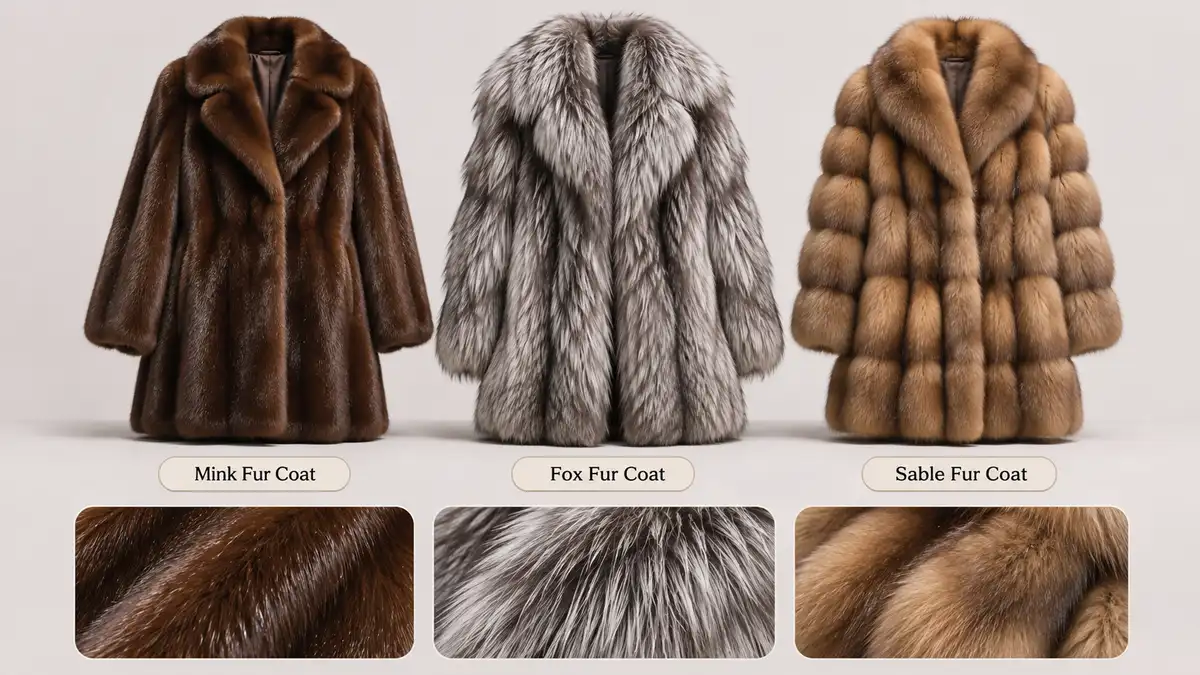
Read from the UK Trade Tariff on 14 November 2026, heading 4303 covers apparel, clothing accessories and other articles of furskin. Ordinary real fur coats fall within 4303 10 90 00. The coat types in the table share this commodity line; they are not separate species-based tariff lines.
The supplied tariff record shows 2% duty on goods from China, no anti-dumping or countervailing duty, and no suspension. It attaches a restriction on entry into free circulation, CITES controls, and cat and dog fur and seal product controls. Cat and dog fur is banned. Seal products brought into Great Britain to trade need a seal catch certificate; confirm any applicable exemption and eligibility conditions with the relevant authority before ordering. Some species need CITES documents. Ask your customs broker to confirm the free-circulation restriction for the actual species and origin.
A textile coat with only fur trim may be classified as the garment rather than as a fur coat. Confirm the commodity code using the garment construction, fur species and materials. For other products within this heading, see our real fur trims guide. Import VAT is normally 20%; see UK import duty and VAT.
| Goods | Commodity code | Duty | Anti-dumping or countervailing duty on China |
|---|---|---|---|
| Mink fur coats | 4303 10 90 00 | 2% | None |
Specify the skins and the finished coat
Name the fur species by its Latin name and record whether the skins are farmed or wild, their origin, grade and dressing method. Specify whole skins or pieced construction, hair length, density, colour, dyeing and the permitted variation between panels. Retain an approved sample showing the agreed fur and skin quality.
Give the factory a garment measurement chart covering chest, shoulders, sleeves and finished length. Agree the lining, collar shape, closures, pockets, seam construction, care instructions and sales descriptions. For CITES-listed fur, check the necessary documents before shipment. For seal fur, confirm eligibility for the indigenous-community exemption before considering a commercial order.
Worked duty example
Illustrative example, not a quote: 2 mink fur coats, illustrative order under 4303 10 90 00, invoiced at £9,000 free on board, with £500 of freight and insurance to the UK. The customs value is £9,500. Duty at 2% is £190. Import VAT at 20% is charged on the customs value plus duty, £9,690, so it is £1,938. Import taxes total £2,128; a VAT-registered importer can usually reclaim the VAT, so the lasting cost is the £190 of duty. The import duty and VAT guide explains each step.
Inspection checklist
Species: compare the coat, sample and supplier records; arrange independent hair identification if the species is uncertain.
Fur and skin: check shedding, bald patches, brittle skin, tearing at seams, odour and dye transfer to the lining or a light cloth.
Fit and construction: measure against the approved chart, check panel alignment and lining movement, and operate closures and pockets.
Packing and records: inspect for dampness, mould and crushed pile; match garment descriptions, species and shipment documents. Use our quality inspection guide to brief the inspector.
Working out your own order? Send us the product on WhatsApp and we reply the same working day: WhatsApp us
What goes wrong
A sample can conceal pieced skins, uneven hair density or brittle dressing that becomes apparent across a production batch. Different panels can shed, transfer dye or pull apart at seams. Inspect finished coats against the retained sample and measurement chart, including the skin beneath the pile where accessible.
A supplier's description of the fur can be incomplete or wrong. Changing species changes the import assessment even when the duty stays the same. Resolve doubtful identification and missing documents before dispatch. Cat and dog fur cannot be imported; confirm any resale restrictions with the relevant authority. Do not treat a Chinese factory invoice as proof of eligibility for any seal-product exemption; confirm eligibility and supporting documents with the relevant authority.
Cambridge China Bridge sources these products for UK businesses, checking the factory and the documents before shipment. See factory verification. For repeat volumes, see container programmes.
Frequently asked questions
What is the UK import duty on real fur coats from China?
The supplied tariff record shows 2% for ordinary fur coats under 4303 10 90 00, with no anti-dumping or countervailing duty and no suspension.
Do real fur coats need CITES documents?
Some species do. Identify the fur accurately and check its CITES status before ordering. Confirm the documents for the shipment with the Animal and Plant Health Agency and your customs broker.
Can I import coats containing cat, dog or seal fur?
Cat and dog fur is banned. Seal products brought into Great Britain for commercial trade must have a seal catch certificate. Confirm any applicable exemption and eligibility conditions with the relevant authority before ordering.
How should I inspect real fur coats?
Check species, shedding, skin softness, seam tearing, dye transfer and panel matching. Measure the finished coat, operate closures and inspect the lining and packing for dampness.