Sourcing Railway Derailers from China
Railway derailers from China under 8608 00 00 00 carry 0% UK duty, with no anti-dumping or countervailing duty recorded. Where installation forms part of an in-scope structural subsystem, authorisation is required before first use. Agree the rail fit and acceptance evidence before ordering. Cambridge China Bridge sources railway derailers.
Buying from China for a business? How our UK China sourcing agent service works · China sourcing agent for small orders and first imports
Railway derailer duty and tariff controls
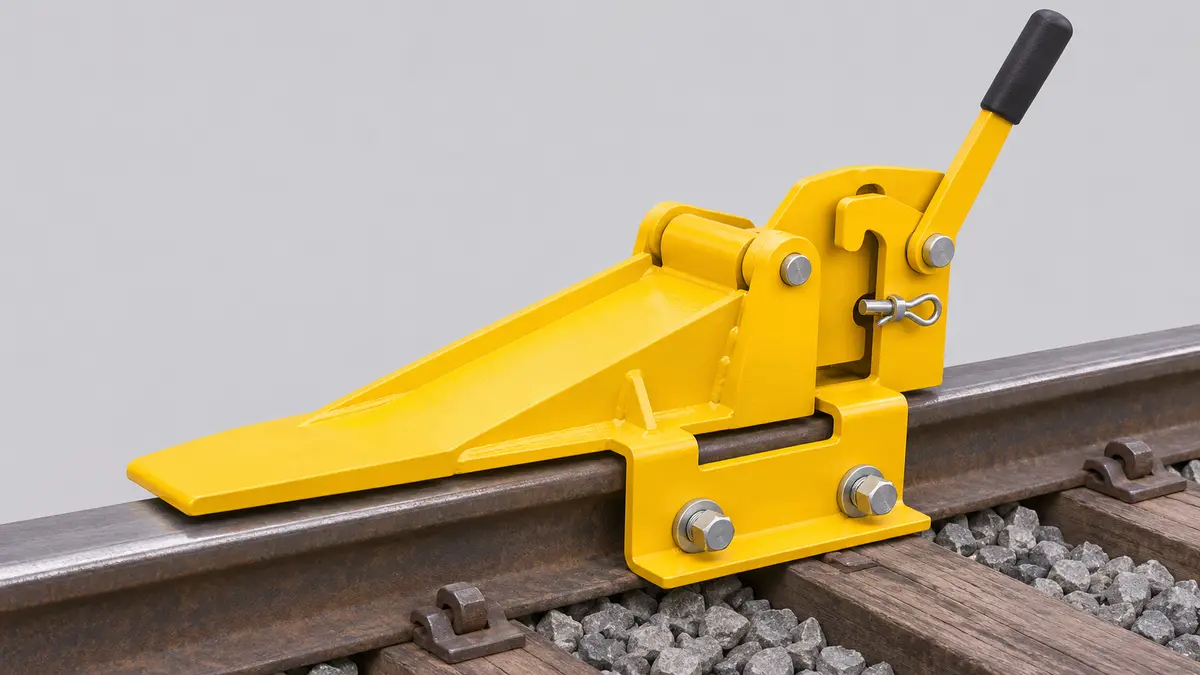
Read from the UK Trade Tariff on 4 October 2026, heading 8608 covers railway track fixtures and fittings, mechanical safety equipment and their parts. The supplied facts contain a single commodity code, 8608 00 00 00, carrying 0% duty for goods from China. No anti-dumping duty, countervailing duty or suspension is recorded. The table shows derailer configurations and dedicated parts under that same code.
The tariff also attaches a cultural-goods export-licence entry. Official guidance describes this licence as applying to exports of objects of cultural interest from Great Britain. Ask your customs broker to confirm how the entry applies to your shipment, especially for used historic equipment.
Send the broker drawings, photographs, operating details and a parts list to confirm the commodity code. Describe separately supplied actuators and electrical controls separately. See the railway buffer stops guide for the wider heading and the duty and VAT guide for costing.
| Goods | Commodity code | Duty | Anti-dumping or countervailing duty on China |
|---|---|---|---|
| Portable railway derailers | 8608 00 00 00 | 0% | None |
Specify rail fit, derail direction and locking
Specify the rail section, mounting side, wheel approach direction, intended derail direction and clearance when withdrawn. Choose portable, hinged or sliding construction, then define the clamps or base fixing, operating mechanism, locking arrangement and position indication. Ask the railway engineer to approve the installation drawing and proposed performance test before production.
Agree the material grade, heat treatment where specified, corrosion protection, replaceable wear parts and inspection records. For powered versions, define the actuator and control interfaces separately. For installation within an in-scope structural subsystem in Great Britain, authorisation to place into service is required before first use. Ask the project engineer to establish the applicable approval route and the supplier evidence needed.
Worked duty example
Illustrative example, not a quote: Illustrative order: 40 hinged railway derailers under 8608 00 00 00, invoiced at £30,000 free on board, with £1,600 of freight and insurance to the UK. The customs value is £31,600. Duty at 0% is £0. Import VAT at 20% is charged on the customs value plus duty, £31,600, so it is £6,320. With no duty, the only import tax is the VAT, which a VAT-registered importer can usually reclaim. The import duty and VAT guide explains each step.
Inspection checklist
Rail fit: check the clamp or base dimensions against the approved rail section and installation drawing, including bolt access and withdrawn clearance.
Movement and locking: operate the mechanism through its travel; check positive locking, position indication and the specified derail direction.
Materials and workmanship: match material records to component markings; inspect castings, welds, machined contact faces and coating against the agreed inspection plan.
Arrival and documents: check for bent brackets, damaged contact faces, corrosion and missing fixings; match the operating instructions and test records to the delivered model. Use the quality inspection guide to brief the inspector.
Working out your own order? Send us the product on WhatsApp and we reply the same working day: WhatsApp us
What goes wrong
A derailer can look correct yet fail to seat on the ordered rail section. Wrong-handed assemblies can direct a wheel towards an obstruction, while unsuitable clamp geometry can loosen or interfere with adjacent fittings. Binding hinges, incomplete locking and unclear position indication should be investigated before installation.
A catalogue description can leave the intended operating conditions and acceptance evidence undefined. Freeze the approved drawing, material requirements and test method before production. Ask for factory verification focused on casting or fabrication capability, machining and traceability.
Cambridge China Bridge sources these products for UK businesses, checking the factory and the documents before shipment. See factory verification. For machinery and equipment, see machinery imports.
Frequently asked questions
What is the UK import duty on railway derailers from China?
The supplied tariff facts, read on 4 October 2026, show 0% duty under 8608 00 00 00, with no anti-dumping or countervailing duty recorded.
What rail measurements should I give the factory?
Provide the rail section drawing, mounting side, approach and derail directions, fixing details and clearance envelope. Ask the railway engineer to approve the proposed fit.
Does customs clearance approve a derailer for railway use?
Confirm railway acceptance separately. Where installation forms part of an in-scope structural subsystem in Great Britain, authorisation is required before first use.
How should I test a railway derailer before shipment?
Agree the test method with the railway engineer. Check fit, travel, locking and indication against the approved drawing, and obtain the specified performance evidence.