Sourcing polypropylene plastic scrap from China
Polypropylene plastic scrap from China carries a single UK duty rate of 0%, with no listed trade remedy. Waste shipment controls still apply: agree the procedure for the actual material before loading, particularly where scrap is mixed or contaminated. Cambridge China Bridge sources polypropylene plastic scrap.
Buying from China for a business? How our UK China sourcing agent service works · China sourcing agent for small orders and first imports
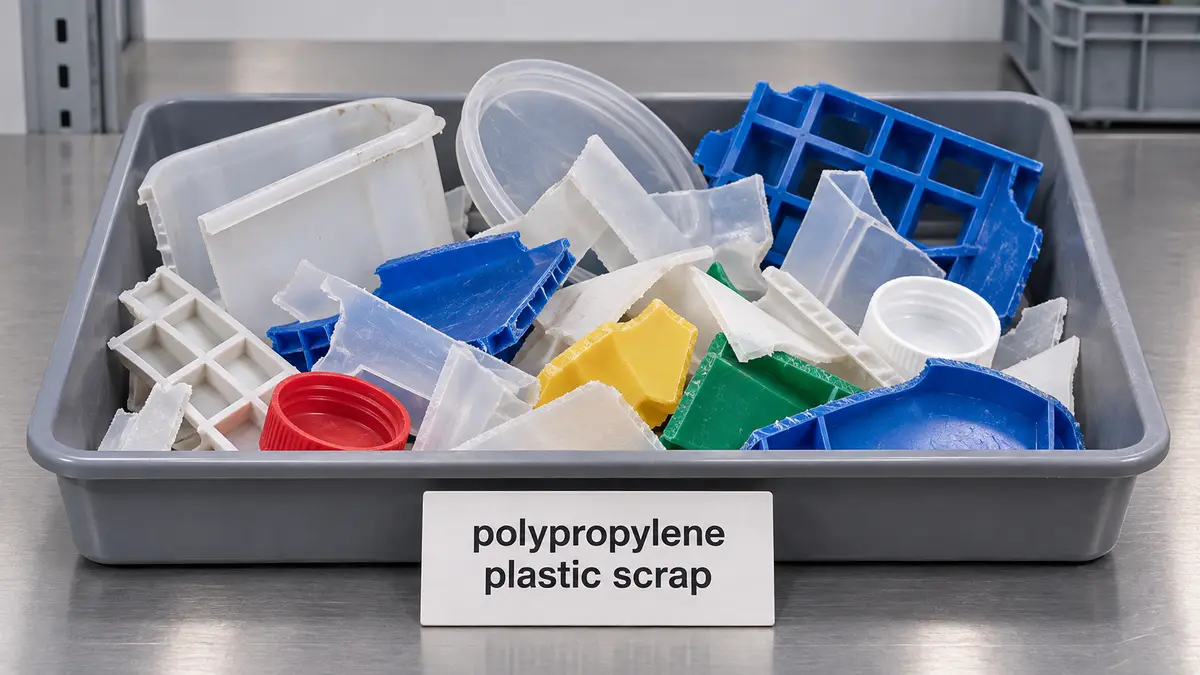
Polypropylene scrap: 0% duty
Read from the UK Trade Tariff on 14 November 2026, heading 3915 covers waste, parings and scrap of plastics. Polypropylene scrap falls under 3915 90 11 00. The forms shown below share this commodity line. Recycled granules that are no longer waste belong to primary plastics rather than this scrap heading.
The supplied tariff snapshot shows 0% duty for goods from China, no anti-dumping or countervailing measure and no suspension on the polypropylene line. It attaches import and export waste controls. Confirm with the regulator whether the scrap qualifies for lighter controls or needs prior notification and consent, taking account of its composition, contamination and intended recycling process. Confirm the applicable import procedure with your customs broker, receiving facility and regulator before shipping.
For green-list imports into England, the importer must draw up a written contract with the exporter before shipment. Confirm the commodity code using the material's composition, form and waste status. For the wider heading, see the ABS plastic scrap guide.
| Goods | Commodity code | Duty | Anti-dumping or countervailing duty on China |
|---|---|---|---|
| Polypropylene moulding offcuts | 3915 90 11 00 | 0% | None |
Specifying polypropylene scrap
Specify whether the load contains moulding offcuts, film, lumps or regrind. State the source process, polymer grade, colour, melt flow range and intended recycling use. Keep filled, unfilled and mixed-colour material separate in the purchase specification.
Agree acceptance limits for other polymers, labels, metal, paper, dirt and moisture, together with particle size, packing and sampling method. Request a representative sample from the stock being offered, rather than relying on photographs of surface material. Use factory verification to check sorting and storage arrangements.
Worked duty example
Illustrative example, not a quote: 20 tonnes of sorted polypropylene moulding offcuts, illustrative only under 3915 90 11 00, invoiced at £9,000 free on board, with £2,000 of freight and insurance to the UK. The customs value is £11,000. Duty at 0% is £0. Import VAT at 20% is charged on the customs value plus duty, £11,000, so it is £2,200. With no duty, the only import tax is the VAT, which a VAT-registered importer can usually reclaim. The import duty and VAT guide explains each step.
Inspection checklist
Identity: sample inside bags or bales and check polymer identity against the approved polypropylene sample.
Contamination: check for other plastics, labels, metal, dirt, residues and unusual odours throughout the load.
Processing: test moisture and melt flow against the agreed specification; compare particle size and colour between sampled packs.
Documents: compare the waste description, shipment paperwork, receiving facility and batch identification with the actual material.
Working out your own order? Send us the product on WhatsApp and we reply the same working day: WhatsApp us
What goes wrong
A clean surface can hide mixed plastics or wet material inside a bale. Filled moulding scrap can also behave differently from the unfilled sample used for a processing trial. These differences can cause rejection, re-grading or unsuitable melt behaviour.
Do not let a zero duty rate replace checks on the waste procedure. Sample the offered stock before loading and agree how rejected material will be handled. The quality inspection guide explains how to brief the inspection.
Cambridge China Bridge sources these products for UK businesses, checking the factory and the documents before shipment. See factory verification. For repeat volumes, see container programmes.
Frequently asked questions
What is the UK import duty on polypropylene scrap from China?
The supplied tariff snapshot shows 0% for 3915 90 11 00, with no anti-dumping or countervailing measure and no suspension. Waste controls still apply.
Does polypropylene scrap need waste shipment consent?
Confirm with the regulator whether your plastic waste needs prior notification and consent or qualifies for lighter controls, taking account of its composition, contamination and intended recycling process. Confirm the procedure for your load with the regulator before shipping.
Are recycled polypropylene granules classed as scrap?
Granules that are no longer waste belong to primary plastics rather than the scrap heading. Establish waste status and physical form before choosing the commodity code.
What should I test in polypropylene regrind?
Check polymer identity, moisture, melt flow, particle size and contamination against the agreed sample and specification. Sample within packs to uncover differences hidden by surface material.