Sourcing ABS plastic scrap from China
ABS plastic scrap from China carries 0% UK duty under the styrene-polymer scrap line, with no anti-dumping duty listed. Waste shipment controls still apply: confirm the material, recovery route and required paperwork before shipping. Cambridge China Bridge sources ABS plastic scrap.
Buying from China for a business? How our UK China sourcing agent service works · China sourcing agent for small orders and first imports
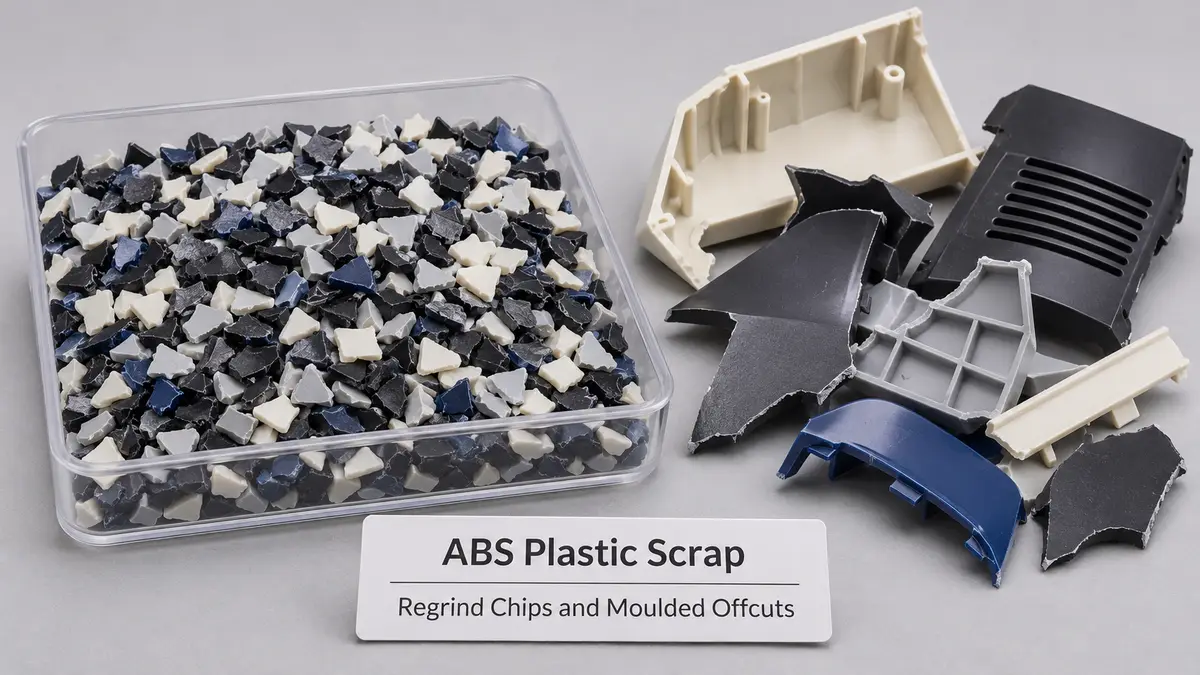
Zero duty, with waste shipment controls
Read from the UK Trade Tariff on 14 November 2026, heading 3915 covers waste, parings and scrap of plastics. The styrene-polymer scrap line, 3915 20 00 00, carries 0% duty for goods from China. The supplied snapshot lists no anti-dumping or countervailing duty and no suspension. The table shows different ABS scrap forms against this same tariff line, subject to confirmation of composition and classification.
The UK Trade Tariff attaches import and export waste controls to this line. For notified imports into England, the Chinese exporter must start the application with the dispatch country's competent authority. Shipping must wait for consent from the Environment Agency and other competent authorities involved. If green-list controls apply, an Annex VII form must accompany the shipment and a written contract must be in place before shipping. Confirm the route with the regulator and customs broker.
Provide the polymer composition, source process, physical form and intended treatment when confirming the commodity code. Recycled pellets that are no longer waste fall outside this scrap guide; see polystyrene and ABS granules. The wider plastic scrap guide covers other polymers.
| Goods | Commodity code | Duty | Anti-dumping or countervailing duty on China |
|---|---|---|---|
| ABS manufacturing offcuts | 3915 20 00 00 | 0% | None |
Specify the ABS source and processing condition
Specify whether the material is production offcuts, sprues, trimmings or rejected mouldings. Record the original resin grade, colour, previous use, flame-retardant or filler additions, and whether different grades are combined. Agree limits for other polymers, metal inserts, paint, oil, dust and moisture, together with the sampling method and packaging.
Ask for representative samples from the actual stock and trial them in your intended process. Agree melt flow, impact performance and colour acceptance with the receiving compounder. For imports into England, green-list treatment is conditional on meeting the applicable waste criteria; confirm eligibility rather than relying on the supplier's description of the load as clean.
Worked duty example
Illustrative example, not a quote: Illustrative order: 20 tonnes of sorted ABS moulding sprues under 3915 20 00 00, invoiced at £9,000 free on board, with £2,000 of freight and insurance to the UK. The customs value is £11,000. Duty at 0% is £0. Import VAT at 20% is charged on the customs value plus duty, £11,000, so it is £2,200. With no duty, the only import tax is the VAT, which a VAT-registered importer can usually reclaim. The import duty and VAT guide explains each step.
Inspection checklist
Identity: compare sampled material with the declared ABS grade and check for polycarbonate blends or other mixed polymers.
Contamination: open bags across the load and check for metal inserts, coatings, oil, dust and moisture against the agreed specification.
Performance: compare moisture, melt flow and trial-moulding results with the approved sample; retain labelled batch samples.
Documents: match the supplier, source, load description and receiving facility to the shipment documents. Check the facility's waste permit or exemption covers the planned treatment in England.
Working out your own order? Send us the product on WhatsApp and we reply the same working day: WhatsApp us
What goes wrong
An ABS label can hide mixed grades, coated parts or unidentified flame-retardant material. Melt flow and impact behaviour then vary between bags, while wet or dirty material disrupts processing. Separate stock by source and grade, inspect before loading and agree how rejected material will be handled. Use the quality inspection guide to define the checks.
For imports into England, waste containing persistent organic pollutants cannot be recycled or reused as ordinary ABS feedstock; those pollutants must be destroyed. Ask for additive history and targeted laboratory testing where the source is uncertain. Do not accept a claim of recyclability based only on appearance.
Cambridge China Bridge sources these products for UK businesses, checking the factory and the documents before shipment. See factory verification. For repeat volumes, see container programmes.
Frequently asked questions
What is the UK import duty on ABS plastic scrap from China?
The supplied tariff snapshot shows 0% on styrene-polymer scrap under 3915 20 00 00, with no anti-dumping or countervailing duty listed. Confirm that the actual ABS material belongs on this line.
Does ABS scrap need waste shipment consent?
It depends on the waste classification and recovery route. Notified imports need consent before shipping. Eligible green-list imports into England require shipment paperwork and a contract; check China and transit-country requirements.
Can I import ABS scrap from old electrical housings?
Do not assume it is suitable for recycling. Establish the polymer and additive history and test uncertain material. In England, waste containing persistent organic pollutants must not be recycled or reused.
What should I test before buying ABS scrap?
Check polymer identity, moisture, melt flow, contamination and trial-moulding performance. Compare samples from the actual stock with the agreed grade, colour and impact requirements.