Sourcing pickleball paddles from China
The candidate racket line carries 2% UK duty from China across the paddle constructions below; confirm classification before ordering. Consumer paddles sold in Great Britain must be safe in normal and reasonably foreseeable use. Specify the face, core, grip and bonding. Cambridge China Bridge sources pickleball paddles.
Buying from China for a business? How our UK China sourcing agent service works · China sourcing agent for small orders and first imports
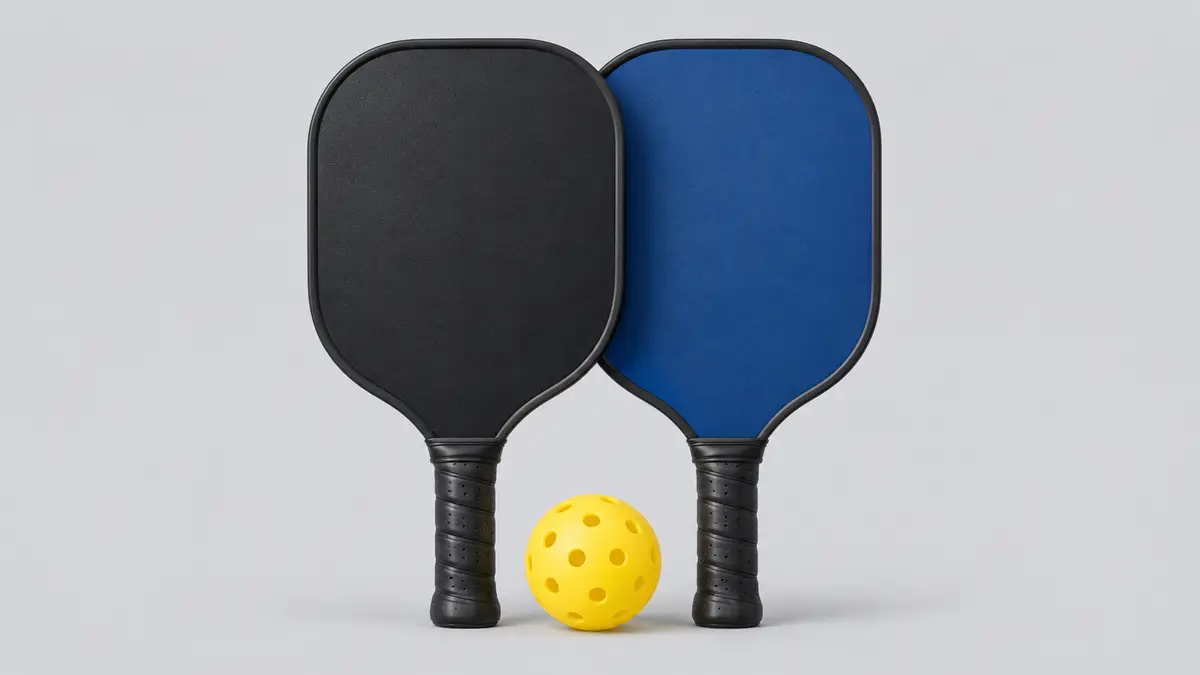
Pickleball paddles: confirm the candidate 2% line
Read from the UK Trade Tariff on 5 December 2026, heading 9506 covers sports and outdoor-game equipment. The supplied snapshot has no pickleball-specific description. Other rackets under 9506 59 00 00 are a candidate classification requiring confirmation. The table repeats that candidate line for different paddle constructions; these are not separate tariff classifications. For the wider heading, see our padel racket guide.
The candidate line carries 2% duty for goods from China, with no anti-dumping or countervailing duty and no suspension recorded. The tariff also attaches a cultural-goods export licence measure. Ask your customs broker to confirm its relevance to any onward export.
Confirm the commodity code using the finished paddle, construction details, photographs and intended use before costing the order. Ask the broker to assess any balls, bags or other items supplied with it. See the import duty and VAT guide when building the landed cost.
| Goods | Commodity code | Duty | Anti-dumping or countervailing duty on China |
|---|---|---|---|
| Fibreglass-face pickleball paddles, candidate racket classification | 9506 59 00 00 | 2% | None |
Specify the face, core and handle construction
Specify the face material and lay-up, core material and structure, finished thickness, outline, weight tolerance and balance. Distinguish an exposed fibre surface from a printed fibre-effect finish. Record grip circumference, handle length, edge protection and the joint between the handle and paddle body. Approve a physical sample and prohibit material substitutions without written agreement.
Consumer paddles supplied in Great Britain must be safe in normal and reasonably foreseeable use. Assess handle separation, sharp fractured edges, loose edge guards and exposed fibres. Retain the agreed test results with the specification. Confirm with the relevant authority what producer identification and product or batch references should appear on the product or packaging.
Worked duty example
Illustrative example, not a quote: Illustrative order of 350 fibreglass-face pickleball paddles, assuming classification is confirmed under 9506 59 00 00, invoiced at £2,500 free on board, with £350 of freight and insurance to the UK. The customs value is £2,850. Duty at 2% is £57. Import VAT at 20% is charged on the customs value plus duty, £2,907, so it is £581.40. Import taxes total £638.40; a VAT-registered importer can usually reclaim the VAT, so the lasting cost is the £57 of duty. The import duty and VAT guide explains each step.
Inspection checklist
Shape and balance: check dimensions, weight, balance and face flatness against the approved sample; compare paddles across the batch.
Face and core: inspect for blisters, cracks, exposed fibres, uneven texture and edge gaps; compare rebound across the face and investigate rattles or local soft spots.
Handle and grip: check handle security, grip wrapping, end-cap retention and edge-guard adhesion using the agreed practical tests.
Arrival and identification: check carton damage, dampness, quantities, artwork and product or batch identification. Match delivered stock to the inspection records using the quality inspection guide.
Working out your own order? Send us the product on WhatsApp and we reply the same working day: WhatsApp us
What goes wrong
A paddle can match the artwork while using a different core or face construction. Poor bonding can leave loose areas beneath the face, rattling cores or lifting edge guards. Weight and balance can vary enough that paddles from the same order feel different.
A grip can twist around the handle, an end cap can loosen, and a fibre-effect print can disguise a different surface material. Keep a retained sample, agree checks on finished paddles before dispatch, and repeat the functional checks on arrival. Investigate damaged or separating paddles before releasing stock.
Cambridge China Bridge sources these products for UK businesses, checking the factory and the documents before shipment. See factory verification. For own-brand ranges, see sourcing for brands.
Frequently asked questions
What is the UK import duty on pickleball paddles from China?
The candidate other-rackets line, 9506 59 00 00, carries 2% duty in the supplied snapshot, with no anti-dumping or countervailing duty or suspension. Confirm that classification fits your paddles.
Are carbon-fibre and fibreglass pickleball paddles classified differently?
The supplied facts do not distinguish those face materials within the candidate racket line. Give the broker the complete construction and intended use rather than choosing a code from the material alone.
What safety rules apply to pickleball paddles sold in Great Britain?
Consumer paddles must be safe in normal and reasonably foreseeable use. Assess handle security, breakage, exposed fibres and loose parts, and keep safety evidence tied to the supplied model.
How do I check pickleball paddles before shipment?
Compare dimensions, weight, balance, surface texture, rebound, handle security and grip finish with the approved sample. Inspect bonding and edge guards, then match the packed stock to the inspection records.