Sourcing tennis balls from China
Tennis balls from China carry a uniform 2% UK duty under 9506 61 00 00, with no listed trade remedy or suspension. Consumer balls supplied in Great Britain must be safe in normal or reasonably foreseeable use. Specify pressure type, felt and bounce before ordering. Cambridge China Bridge sources tennis balls.
Buying from China for a business? How our UK China sourcing agent service works · China sourcing agent for small orders and first imports
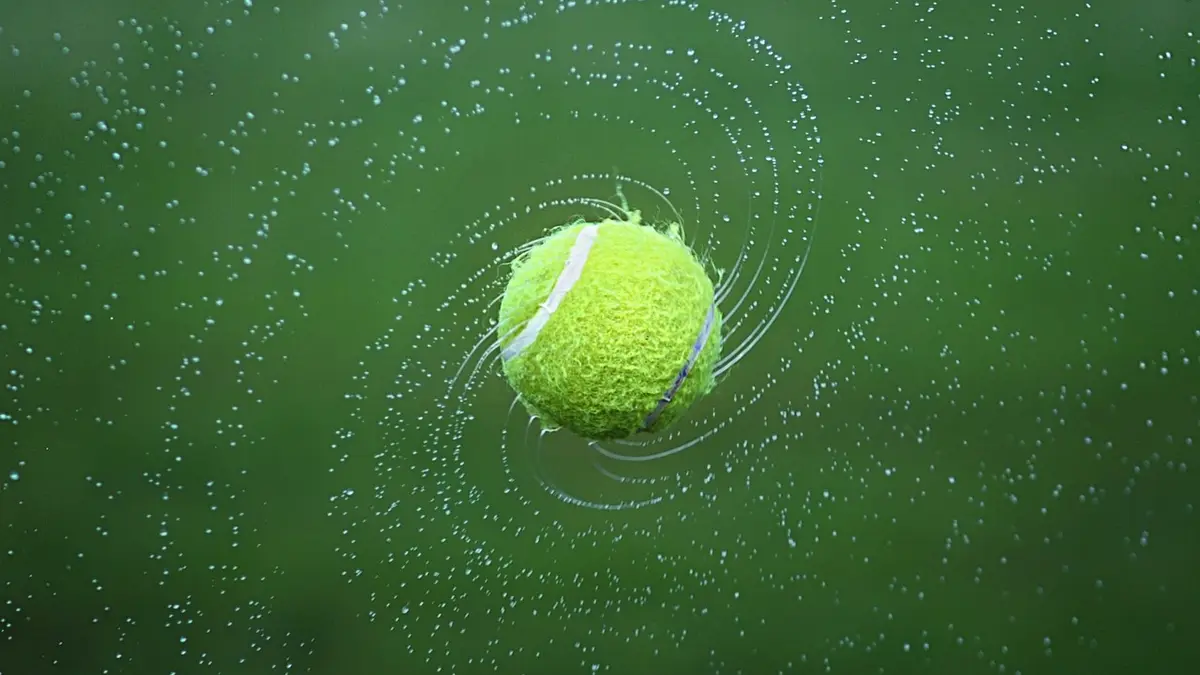
Tennis balls: 2% UK import duty
Read from the UK Trade Tariff on 6 December 2026, heading 9506 covers sports and outdoor-game equipment. Lawn-tennis balls fall under 9506 61 00 00. The table shows purchasing variants under this same code, rather than separate tariff classifications. For related equipment within the heading, see tennis rackets.
The supplied snapshot records 2% duty for tennis balls from China, with no anti-dumping or countervailing duty and no suspension. It attaches a cultural-goods export licence measure. Official guidance requires a UK export licence for objects of cultural interest exported from Great Britain outside the UK. Ask your customs broker to confirm the measure's relevance if you later export the balls.
Confirm the commodity code against the actual product and intended use before ordering, particularly for modified training products or mixed sets. The import duty and VAT guide explains the wider import calculation.
| Goods | Commodity code | Duty | Anti-dumping or countervailing duty on China |
|---|---|---|---|
| Pressurised tennis balls | 9506 61 00 00 | 2% | None |
Specify pressure, felt and playing performance
State whether the balls are pressurised or pressureless, the intended court surface and whether they are for coaching or match play. Specify the rubber core, felt composition, seam finish, colour and logo. Agree mass, diameter, rebound and deformation tolerances with a written test method and retained samples.
Consumer products supplied in Great Britain must be safe in normal or reasonably foreseeable use. Assess splitting, detached covering and packaging edges alongside playing performance. Confirm with the relevant authority what producer name, address and product or batch identification should appear on the product or packaging. Request material declarations and test evidence matching the actual core, felt, adhesive and printing.
Worked duty example
Illustrative example, not a quote: Illustrative order of 2,500 tennis balls under 9506 61 00 00, invoiced at £2,500 free on board, with £350 of freight and insurance to the UK. The customs value is £2,850. Duty at 2% is £57. Import VAT at 20% is charged on the customs value plus duty, £2,907, so it is £581.40. Import taxes total £638.40; a VAT-registered importer can usually reclaim the VAT, so the lasting cost is the £57 of duty. The import duty and VAT guide explains each step.
Inspection checklist
Core and bounce: check mass, diameter, roundness and rebound using the agreed method, comparing samples from different cartons with the approved sample.
Felt and seams: check coverage, bonding, seam gaps, exposed adhesive and loose fibres. Compare wear after an agreed hitting trial.
Pressure and packaging: check can seals, dents, lid fit and opening edges. For pressurised balls, compare performance after storage and after opening.
Arrival and identification: check quantities, damp cartons, ball markings and batch references. Record findings through the quality inspection guide.
Working out your own order? Send us the product on WhatsApp and we reply the same working day: WhatsApp us
What goes wrong
Balls can match the approved colour while differing in rebound, firmness or felt wear. Uneven cores can produce inconsistent bounce; poorly bonded felt can lift at the seam. Leaking cans can leave pressurised balls flat before the customer opens them.
A fresh sample does not establish how the packed shipment will perform after storage. Retain sealed samples, agree storage checks and prohibit material substitutions without approval. Compare arrived stock with the retained sample before releasing the batch.
Cambridge China Bridge sources these products for UK businesses, checking the factory and the documents before shipment. See factory verification. For own-brand ranges, see sourcing for brands.
Frequently asked questions
What is the UK import duty on tennis balls from China?
The supplied snapshot records 2% duty under 9506 61 00 00, with no anti-dumping or countervailing duty and no suspension.
Should I buy pressurised or pressureless tennis balls?
Compare samples for the intended coaching or match use. Specify feel, rebound, durability and packaging, then assess performance after storage as well as when newly opened.
What safety rules apply to tennis balls sold in Great Britain?
Consumer products must be safe in normal or reasonably foreseeable use. Assess the actual ball and packaging, and retain safety evidence matching the supplied materials.
How do I check tennis ball quality on arrival?
Check rebound consistency, roundness, felt bonding, seam finish and can seals. Compare samples across cartons with the approved sample and record batch references.