Sourcing PAT testers from China
PAT testers from China carry 0% UK duty across the relevant heading 9030 lines, with no listed trade remedies. For mains-powered models, check electrical equipment safety compliance and match safety reports and calibration to the supplied tester. Cambridge China Bridge sources PAT testers.
Buying from China for a business? How our UK China sourcing agent service works · China sourcing agent for small orders and first imports
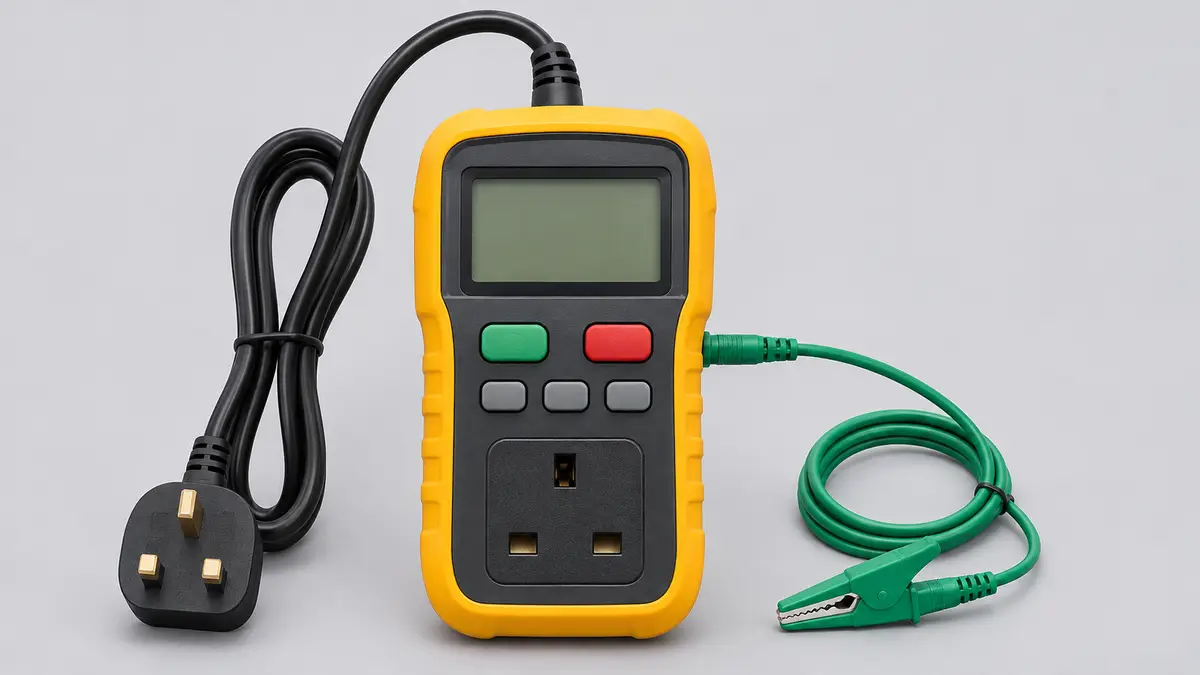
Zero duty and model-specific classification
Read from the UK Trade Tariff on 10 December 2026, all supplied heading 9030 lines carry 0% duty for goods from China. The supplied facts list no anti-dumping or countervailing duties, suspensions or attached import controls.
Heading 9030 covers instruments for measuring or checking electrical quantities. The table gives possible categories for PAT testers and separately supplied parts, rather than interchangeable codes. Assess the actual measurement functions and recording capability before choosing a line.
Confirm the commodity code against the manual and complete supplied kit. For related instruments within the wider heading, see the insulation resistance testers guide.
| Goods | Commodity code | Duty | Anti-dumping or countervailing duty on China |
|---|---|---|---|
| Resistance measuring instruments without recording | 9030 33 20 90 | 0% | None |
| Other voltage, current, resistance or power instruments without recording | 9030 33 70 00 | 0% | None |
| Voltage, current, resistance or power instruments with recording | 9030 39 00 00 | 0% | None |
| Parts and accessories for electrical measuring instruments | 9030 90 00 00 | 0% | None |
Specify the appliance tests and reporting workflow
Specify the intended appliances and whether you need earth continuity, insulation resistance, leakage measurement or lead testing. Agree test currents, selectable test voltages, ranges, accuracy and how pass thresholds are set. Ask the factory to demonstrate the proposed modes with suitable reference loads, including the limitations for appliances containing electronics.
Choose battery or mains operation, UK appliance sockets, lead lengths and adapters. For recording models, approve asset identification, stored results and an exported English report. Ask for calibration certificates matched to serial numbers, with traceability to national standards for professional use.
For mains-powered models, check electrical equipment safety compliance. The Great Britain guidance permits CE or UKCA marking. Match safety reports to the instrument and leads. Electromagnetic compatibility rules require relevant English instructions; hazardous-substance rules require importer identification on the product or packaging. Electrical equipment producers must register annually under waste electrical equipment rules.
Worked duty example
Illustrative example, not a quote: Illustrative batch of recording PAT testers, assuming classification is confirmed under 9030 39 00 00, invoiced at £10,000 free on board, with £900 of freight and insurance to the UK. The customs value is £10,900. Duty at 0% is £0. Import VAT at 20% is charged on the customs value plus duty, £10,900, so it is £2,180. With no duty, the only import tax is the VAT, which a VAT-registered importer can usually reclaim. The import duty and VAT guide explains each step.
Inspection checklist
Readings: compare sampled testers with a calibrated reference across the agreed modes and ranges, using the supplied leads.
Decisions: demonstrate the agreed pass and fail thresholds with suitable reference loads; check displayed readings against the recorded result.
Safety and identity: compare sockets, lead insulation, fuses and protection with the approved sample and safety reports; match calibration certificates to serial numbers.
Arrival and records: inspect cases, screens and battery compartments; check accessories and English instructions, then export and reopen a test report. Include these demonstrations in the inspection brief.
Working out your own order? Send us the product on WhatsApp and we reply the same working day: WhatsApp us
What goes wrong
A tester may offer insulation measurement but lack the leakage mode, lead-testing arrangement or reporting function your work needs. A pass indicator can also conceal unsuitable threshold settings. Approve the test sequence and a sample report before ordering, then repeat the demonstration on production samples.
Loose sockets, damaged leads, mismatched calibration paperwork and missing asset identifiers can undermine acceptance. Build visual checks into the workflow: HSE explains that most electrical safety defects can be found visually, while some require testing.
Cambridge China Bridge sources these products for UK businesses, checking the factory and the documents before shipment. See factory verification. For components and parts, see sourcing for manufacturers.
Frequently asked questions
What is the UK import duty on PAT testers from China?
The relevant heading 9030 lines carry 0% duty in the supplied tariff facts, with no listed anti-dumping or countervailing duties. Confirm the code for the exact model.
Which commodity code covers a PAT tester?
Classification depends on its measurement functions and recording capability. The table gives candidate categories; ask your customs broker to assess the manual and supplied kit.
What calibration evidence should I request?
Ask for a certificate matched to each tester's serial number and agreed measurement ranges. For professional use, request traceability to national standards and compare sample readings with a calibrated reference.
Does a PAT tester replace visual inspection?
No. HSE says most electrical safety defects can be found visually, while some require testing. Choose a workflow that records visual checks alongside measured results.
Sources
- UK Trade Tariff — commodity codes and duty
- Electrical Equipment (Safety) Regulations: Great Britain guidance
- Electromagnetic Compatibility Regulations: Great Britain guidance
- Restriction of hazardous substances: compliance guidance
- Electrical and electronic equipment: producer responsibilities
- HSE portable appliance testing FAQs