Sourcing original ceramic sculptures from China
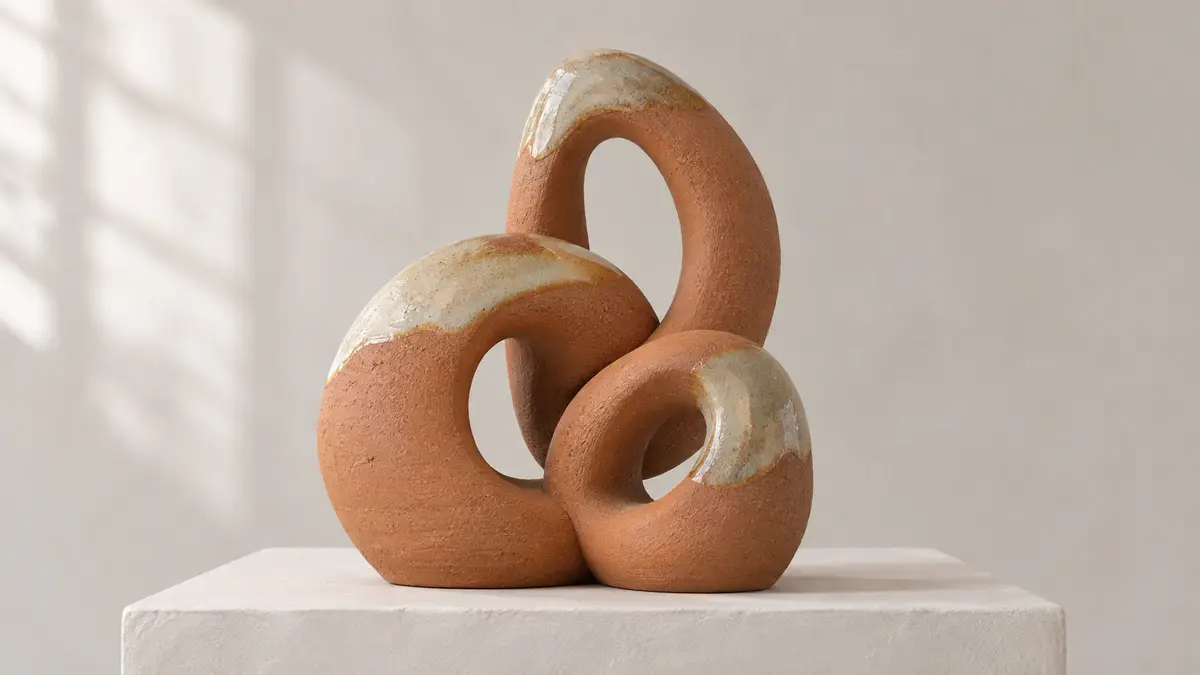
Original ceramic sculptures from China carry 0% UK duty across the age categories in heading 9703. The work must qualify as original sculpture; mass-produced decorative figurines are classified by material. Confirm with HMRC or your customs broker whether the sculpture qualifies for works-of-art import VAT treatment. Cambridge China Bridge sources original ceramic sculptures.
Buying from China for a business? How our UK China sourcing agent service works · China sourcing agent for small orders and first imports
Zero duty on original ceramic sculpture
Read from the UK Trade Tariff on 8 October 2026, heading 9703 covers original sculpture and statuary in any material, including qualifying ceramic sculptures. All listed lines carry 0% duty for goods from China, with no anti-dumping or countervailing duty and no listed suspension. The age categories share this rate. The table separates contemporary porcelain and stoneware for buying purposes; both use the same commodity code.
The tariff attaches ivory import and CITES controls. Check any added materials, inlays and bases. For ivory-containing items intended for dealing, confirm with the relevant authority and your customs broker whether import is permitted and which exemptions apply, alongside the registration or exemption certificate reference required by the tariff. Check exemption eligibility before buying. CITES-listed additions need the relevant documents; confirm these with APHA and your customs broker before shipment. The file also lists ivory, CITES and cultural-object export controls; ask your broker about these before any onward export.
Ask HMRC or your customs broker to confirm whether the work qualifies for works-of-art import VAT treatment; do not assume that ordinary decorative reproductions qualify. Give your broker photographs, the artist's production statement, material details and age evidence to confirm the commodity code. See UK import duty and VAT for calculations and the original stone sculpture guide for the wider heading.
| Goods | Commodity code | Duty | Anti-dumping or countervailing duty on China |
|---|---|---|---|
| Original porcelain sculptures, 100 years old or less | 9703 90 00 00 | 0% | None |
| Original ceramic sculptures, over 100 but not over 200 years old | 9703 10 00 90 | 0% | None |
| Original ceramic sculptures, more than 200 years old | 9703 10 00 10 | 0% | None |
Specify the ceramic body, authorship and finish
Agree the artist, title, ceramic body, dimensions, weight, glaze, signature and certificate of authenticity. Ask who formed and finished the sculpture, rather than accepting a catalogue description of handmade. Record edition details where relevant. For an existing work, approve photographs of that actual piece and agree how repairs or restoration will be disclosed.
Specify whether glaze crazing, exposed clay, firing marks and colour variation are intentional. Agree the base, mounting method, indoor or outdoor display and support for projecting details. For contemporary sculptures supplied as consumer products in Great Britain, general product safety rules require safety in normal or reasonably foreseeable use. Check stability and sharp surfaces against the intended display conditions.
Worked duty example
Illustrative example, not a quote: 20 original porcelain sculptures by a living artist; illustrative order under 9703 90 00 00, invoiced at £30,000 free on board, with £2,000 of freight and insurance to the UK. The customs value is £32,000. Duty at 0% is £0. Import VAT at 20% is charged on the customs value plus duty, £32,000, so it is £6,400. With no duty, the only import tax is the VAT, which a VAT-registered importer can usually reclaim. The import duty and VAT guide explains each step.
Inspection checklist
Identity: match the sculpture, signature and certificate to the invoice and approved photographs; check the artist and any edition details.
Ceramic condition: examine projecting fingers, ears, rims and joints for cracks, chips and repairs; distinguish agreed glaze crazing from damage.
Base and mounting: check that the work sits securely, attachments match the specification and the underside will not scratch the display surface.
Packing and arrival: check that cushioning supports the main body without loading fragile projections; photograph unpacking and compare condition with the dispatch record. Use the quality inspection guide to prepare the inspection brief.
Working out your own order? Send us the product on WhatsApp and we reply the same working day: WhatsApp us
What goes wrong
A factory-made decorative figure is described as original simply because someone painted it by hand. That description does not establish originality. Missing authorship records can undermine the proposed classification and works-of-art VAT treatment. Resolve the production method and documents before shipping.
Projecting details break when packing grips them, glaze surfaces rub against abrasive wrapping, and previously repaired joints reopen during transport. Agree photographs of vulnerable areas, disclosed repairs and the packing arrangement before dispatch. Keep damaged pieces and their packaging available for the condition review.
Cambridge China Bridge sources these products for UK businesses, checking the factory and the documents before shipment. See factory verification. For own-brand ranges, see sourcing for brands.
Frequently asked questions
What is the UK import duty on original ceramic sculptures from China?
The supplied tariff facts show 0% duty across all listed lines of heading 9703, with no anti-dumping or countervailing duty.
Does hand-painted pottery count as original sculpture?
Hand painting alone does not establish originality. Mass-produced decorative ceramic figures are classified by material. Ask for evidence of the artist's work and production method.
What import VAT applies to original ceramic sculptures?
Confirm with HMRC or your customs broker whether the work qualifies for works-of-art import VAT treatment and which rate applies. Do not assume that ordinary decorative reproductions qualify for reduced treatment.
What should I check when a ceramic sculpture arrives?
Match its signature and documents, photograph unpacking, inspect projections and joints for damage, compare glaze condition with dispatch photographs and check the base is secure.