Sourcing original plaster sculptures from China
Original plaster sculptures from China carry 0% UK duty across the supplied age categories. The main distinction is originality: decorative reproductions do not qualify simply because they are cast in plaster. Confirm any reduced import VAT treatment for qualifying works of art with HMRC or your customs broker. Cambridge China Bridge sources original plaster sculptures.
Buying from China for a business? How our UK China sourcing agent service works · China sourcing agent for small orders and first imports
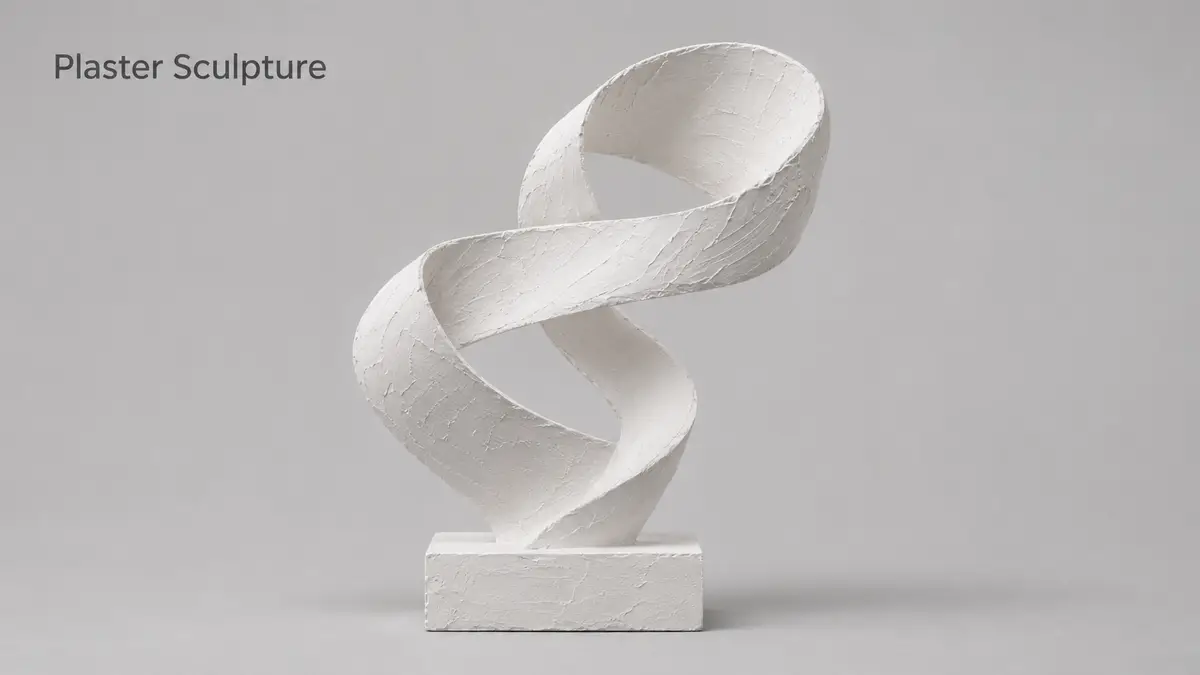
Duty, originality and material controls
Read from the UK Trade Tariff on 8 October 2026, heading 9703 covers original sculpture and statuary in any material, including qualifying plaster works. All supplied lines carry 0% duty for goods from China, with no anti-dumping or countervailing measures and no suspensions shown. The supplied file contains only three commodity lines, all included here.
The tariff attaches ivory and CITES import controls. For imports for sale containing ivory, ask APHA to confirm eligibility and any exemption, registration or certification requirements. Listed animal or plant additions can require CITES permits. Ask your customs broker to confirm the requirements for the complete China shipment, including its base and decorations. Obtain a written materials declaration rather than relying on a description of the main body as plaster.
Original works and artist-supervised limited casts must be distinguished from decorative reproductions. Confirm the classification using finding your commodity code. For wider heading context, see original ceramic sculptures. The snapshot also lists export controls for cultural objects, ivory and CITES; check these separately before any later export.
| Goods | Commodity code | Duty | Anti-dumping or countervailing duty on China |
|---|---|---|---|
| Original plaster sculptures, 100 years old or less | 9703 90 00 00 | 0% | None |
| Original plaster sculptures, over 100 but not over 200 years old | 9703 10 00 90 | 0% | None |
| Original plaster sculptures, more than 200 years old | 9703 10 00 10 | 0% | None |
Specify the plaster work and its authorship
Agree the artist, title, dimensions, weight, signature and whether the piece is directly modelled or cast. For casts, record the edition and the artist's supervision. Specify solid or hollow construction, reinforcement, joins, surface finish, patina, base and any mounting points. Ask the studio to identify repairs, fillers and restored areas before approval.
Agree handling points and packing that supports the body without loading fingers, projecting details or fragile edges. Request photographs before packing and after internal supports are fitted. Separately, check whether your trading activity makes you an art market participant: businesses operating in that capacity must register with HMRC for money laundering supervision.
Worked duty example
Illustrative example, not a quote: Illustrative gallery order of original plaster sculptures under 9703 90 00 00, invoiced at £8,000 free on board, with £1,200 of freight and insurance to the UK. The customs value is £9,200. Duty at 0% is £0. Import VAT at 20% is charged on the customs value plus duty, £9,200, so it is £1,840. With no duty, the only import tax is the VAT, which a VAT-registered importer can usually reclaim. The import duty and VAT guide explains each step.
Inspection checklist
Identity: match the sculpture, signature and edition details to the invoice, artist records and certificate of authenticity.
Surface: compare arrival photographs with the approved condition record; inspect for hairline cracks, chipped edges, powdering, staining and concealed repairs.
Structure: inspect projecting details, joins, reinforcement exposure and base stability without lifting the piece by fragile features.
Packing: check that supports have stayed in position, cushioning has not rubbed the finish and loose fragments remain with the condition record. Use a quality inspection brief.
Working out your own order? Send us the product on WhatsApp and we reply the same working day: WhatsApp us
What goes wrong
A studio supplies a decorative moulded copy with an originality certificate that does not explain authorship or the edition. The buyer then lacks evidence for the claimed art classification and reduced import VAT treatment. Agree the records before payment; a certificate alone does not explain how the work was made.
Plaster arrives with broken projections, rubbed patina or cracks hidden by fresh filler. Compare the unpacked work with the agreed photographs before accepting its condition, and retain the packing and fragments while discussing the damage with the supplier and carrier.
Cambridge China Bridge sources these products for UK businesses, checking the factory and the documents before shipment. See factory verification. For own-brand ranges, see sourcing for brands.
Frequently asked questions
What is the UK import duty on original plaster sculptures from China?
The supplied tariff snapshot shows 0% duty across all age categories under heading 9703, with no anti-dumping or countervailing measures.
Do original plaster sculptures qualify for reduced import VAT?
Keep evidence of authorship and, for casts, the limited edition and artist's supervision. Decorative reproductions do not qualify as originals.
Does a plaster cast count as an original sculpture?
Casting alone does not establish originality. Ask who created the work, how the artist supervised casting and what edition records accompany it. A decorative reproduction is not an original merely because it is plaster.
What should I check when a plaster sculpture arrives?
Compare it with the agreed condition photographs. Check projecting details, joins, base stability, surface abrasion and signs of repairs. Photograph damage and retain the packing and any fragments.