Sourcing moulded glass finials from China
Moulded glass architectural finials from China carry 0% UK duty across heading 7016. CE marking remains recognised for construction products in Great Britain; check whether marking applies to the intended building use. Specify the base fitting, glass finish and protective packing. Cambridge China Bridge sources moulded glass architectural finials.
Buying from China for a business? How our UK China sourcing agent service works · China sourcing agent for small orders and first imports
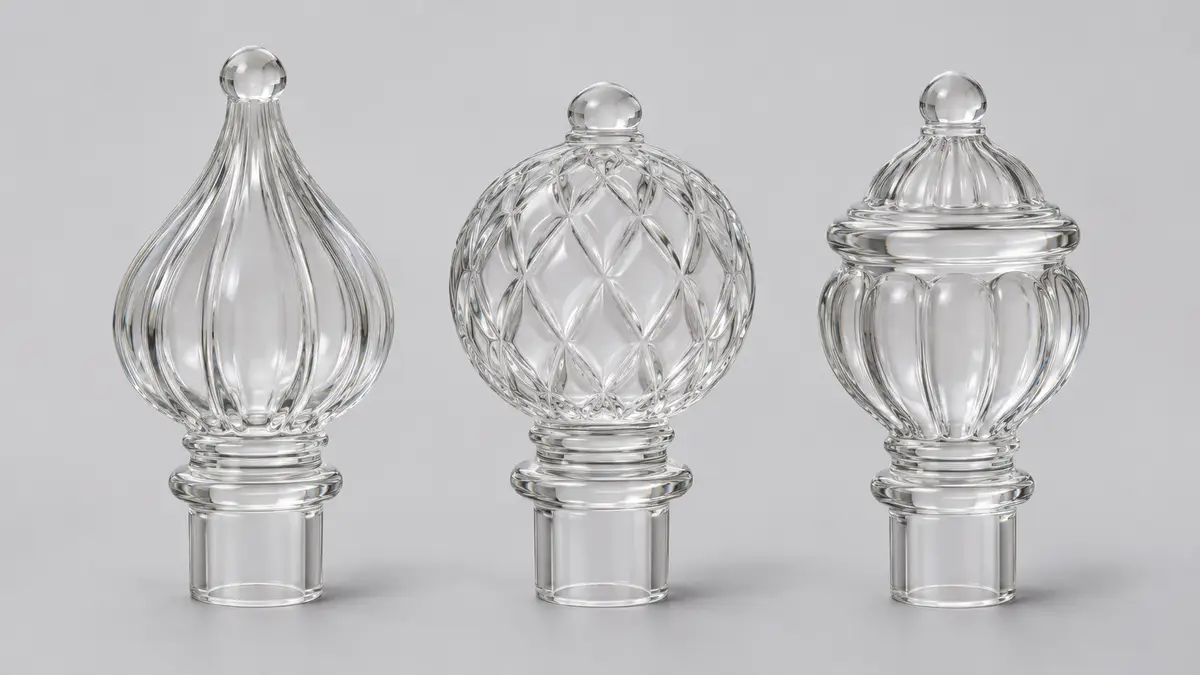
Duty and classification for glass finials
Read from the UK Trade Tariff on 2 October 2026, heading 7016 covers pressed or moulded glass articles of a kind used for building or construction, alongside glass mosaic smallwares, leaded lights and foam glass. For a moulded glass architectural finial, check 7016 90 70 00, the residual “Other” line. The remaining table rows are classification comparisons rather than alternative finial codes.
The supplied tariff facts show 0% duty for goods from China across the listed lines, with no anti-dumping or countervailing duty, suspension or attached import control recorded. This tariff snapshot does not establish the product's suitability for sale or installation.
Confirm the commodity code using the drawing, manufacturing method, intended building use and details of any supplied mounting parts. For the wider heading, see pressed glass architectural balusters.
| Goods | Commodity code | Duty | Anti-dumping or countervailing duty on China |
|---|---|---|---|
| Other moulded construction glass, the line to check for architectural finials | 7016 90 70 00 | 0% | None |
| Building glass blocks and bricks, for comparison with finials | 7016 90 40 00 | 0% | None |
| Leaded lights and similar articles, for comparison with finials | 7016 90 10 00 | 0% | None |
| Glass mosaic cubes and smallwares, for comparison with finials | 7016 10 00 00 | 0% | None |
Finial profile, base fitting and building use
Specify the profile, overall dimensions, base diameter, mounting recess or bore, solid or hollow construction, glass colour and surface finish. Supply a drawing of the receiving post or bracket. Approve a sample fitted to that mounting, and agree acceptable visible mould seams, bubbles and colour variation.
State whether the finial will sit indoors or outdoors and whether it is decorative or expected to resist handling or impact. Ask for evidence supporting weathering and fixing claims. For construction-product paperwork, establish whether a designated standard applies before agreeing the declaration of performance and UKCA or CE marking. CE marking continues to be recognised for construction products in Great Britain.
Have the installer review the fixing arrangement, including the support beneath the glass and any contact with metal. Ask the supplier to identify the exact finial and mounting configuration covered by its reports. Use testing and certification support to review the proposed evidence.
Worked duty example
Illustrative example, not a quote: Illustrative order of 500 moulded glass architectural finials under 7016 90 70 00, invoiced at £9,000 free on board, with £2,500 of freight and insurance to the UK. The customs value is £11,500. Duty at 0% is £0. Import VAT at 20% is charged on the customs value plus duty, £11,500, so it is £2,300. With no duty, the only import tax is the VAT, which a VAT-registered importer can usually reclaim. The import duty and VAT guide explains each step.
Inspection checklist
Fit: measure the base and mounting recess against the approved drawing, and trial-fit sampled finials to the intended post or bracket.
Glass: inspect the tip, neck, base and mounting bore for cracks, chips, sharp edges and inclusions; compare colour and visible mould seams with the approved sample.
Assembly: check supplied inserts and mounting parts against the agreed specification, and look for movement or glass damage during trial assembly.
Packing: check that tips and bases are supported, glass pieces cannot touch each other, and cartons identify the correct profile and finish. On arrival, photograph damaged packs and record breakage. Arrange quality inspection before shipment.
Working out your own order? Send us the product on WhatsApp and we reply the same working day: WhatsApp us
What goes wrong
A finial can match the catalogue photograph but fail to seat on the buyer's post. Base variation, an off-centre bore or an uneven bearing surface can leave it tilted or concentrate pressure on the glass. An overtightened fixing can damage the neck or base. Resolve the fit using the actual mounting before approving production.
Unprotected tips chip in transit, while rubbing between pieces marks polished surfaces. Colour differences become obvious when finials are installed together. Keep the approved sample available for inspection, separate glass pieces in their packaging and quarantine cracked or chipped arrivals.
Cambridge China Bridge sources these products for UK businesses, checking the factory and the documents before shipment. See factory verification. For own-brand ranges, see sourcing for brands.
Frequently asked questions
What is the UK import duty on glass architectural finials from China?
The supplied tariff facts show 0% across heading 7016. Check 7016 90 70 00 for moulded architectural finials; no anti-dumping or countervailing duty is recorded.
Do moulded glass finials need CE marking?
Check the intended building use and applicable construction-product route before deciding. CE marking remains recognised in Great Britain; a generic supplier certificate does not establish coverage of your finial.
What should I send the factory before ordering glass finials?
Send the finial drawing, mounting details, intended location, colour and finish. Agree a fitted sample, visible-defect criteria and protective packing before production.
How do I check glass finials when they arrive?
Photograph damaged packaging, inspect tips and bases for chips or cracks, compare colour with the approved sample and trial-fit sampled pieces. Separate damaged goods from usable stock.