Sourcing meteorological anemometers from China
Meteorological anemometers and their parts from China carry 0% UK duty in the supplied tariff snapshot, with no anti-dumping or countervailing measure listed. Confirm electromagnetic compatibility conformity requirements for electronic models with the relevant product-safety authority; Bluetooth models follow radio equipment rules. Cambridge China Bridge sources meteorological anemometers.
Buying from China for a business? How our UK China sourcing agent service works · China sourcing agent for small orders and first imports
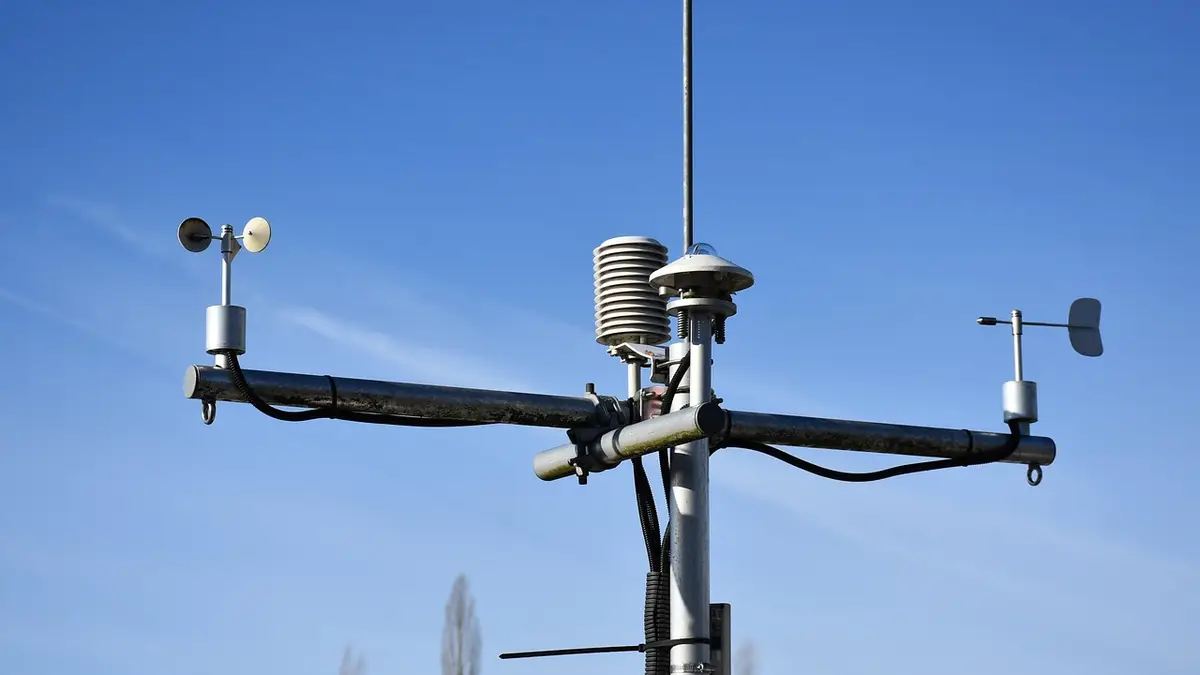
Zero duty on meteorological anemometers
Read from the UK Trade Tariff on 1 October 2026, meteorological instruments under 9015 80 20 00 and parts under 9015 90 00 00 carried 0% duty for goods from China. No anti-dumping or countervailing measures or suspensions are listed in the supplied snapshot. Heading 9015 includes meteorological instruments alongside surveying, hydrological and geophysical equipment. The instrument variants in the table share a tariff line.
The snapshot attaches a DCMS Export Licence entry to these codes. Official guidance states that importing objects of cultural interest into Great Britain has no licensing requirements. Ask your customs broker to confirm how the tariff entry applies to the shipment, particularly for historical instruments or subsequent export.
Confirm the commodity code using the instrument's meteorological purpose, sensing method and supplied components. Do not assume a replacement electronic module or combined instrument takes the same code as a complete anemometer. For wider heading context, see meteorological rain gauges.
| Goods | Commodity code | Duty | Anti-dumping or countervailing duty on China |
|---|---|---|---|
| Meteorological cup anemometers | 9015 80 20 00 | 0% | None |
| Parts and accessories for meteorological anemometers | 9015 90 00 00 | 0% | None |
Specify the sensor and its measurement output
Choose cup, propeller or ultrasonic sensing for the intended weather station. Agree the wind-speed range, accuracy across that range, starting threshold, response time and averaging method. Specify whether wind direction is included. Record the supply, cable length, connector pinout, output signal, logger compatibility, mounting arrangement and any heating. Ask for calibration results linked to the instrument's serial number and covering the agreed measurement range.
For electronic models, confirm electromagnetic compatibility conformity and CE or UKCA marking requirements with the relevant product-safety authority. Bluetooth-equipped models follow radio equipment rules. For electronic and battery-powered instruments, confirm applicable waste electrical equipment and battery obligations with the relevant environmental authority. If you are a producer under waste electrical equipment rules, register annually. For apparatus covered by electromagnetic compatibility rules, the manufacturer must provide relevant instructions in English.
Worked duty example
Illustrative example, not a quote: Illustrative order: 50 wired cup anemometers under 9015 80 20 00, invoiced at £10,000 free on board, with £900 of freight and insurance to the UK. The customs value is £10,900. Duty at 0% is £0. Import VAT at 20% is charged on the customs value plus duty, £10,900, so it is £2,180. With no duty, the only import tax is the VAT, which a VAT-registered importer can usually reclaim. The import duty and VAT guide explains each step.
Inspection checklist
Measurement: compare sampled instruments with a calibrated reference across the agreed wind-speed range; check starting behaviour, repeatability and any direction output.
Integration: connect samples to the buyer's actual logger; check supply requirements, pinout, output scaling, averaging settings and restart behaviour after power interruption.
Outdoor build: inspect bearings, cup balance, propeller alignment, ultrasonic sensor faces, cable glands, seals and mounting hardware; test the agreed resistance to weather exposure.
Arrival records: match serial numbers to calibration records, inspect for bent shafts or cracked cups, confirm relevant English instructions and compare conformity documents with the delivered model.
Working out your own order? Send us the product on WhatsApp and we reply the same working day: WhatsApp us
What goes wrong
A sensor can spin freely yet report the wrong speed because the logger uses a different scaling factor. Bearing friction can prevent a cup or propeller sensor from starting in light wind. Transport damage can unbalance cups or bend shafts. Water entering a connector can produce intermittent readings that a dry bench test misses.
Ultrasonic instruments need checks with their mounting arrangement and sensor faces unobstructed. Agree acceptance tests with the factory, retain an approved sample and repeat functional checks on arrival. Use quality inspection to organise checks against the agreed specification.
Cambridge China Bridge sources these products for UK businesses, checking the factory and the documents before shipment. See factory verification. For components and parts, see sourcing for manufacturers.
Frequently asked questions
What is the UK import duty on meteorological anemometers from China?
The supplied tariff snapshot shows 0% duty under 9015 80 20 00, and 0% for parts under 9015 90 00 00. No anti-dumping or countervailing measure is listed.
Do meteorological anemometers need CE or UKCA marking?
Confirm with the relevant product-safety authority whether electronic models need electromagnetic compatibility conformity and CE or UKCA marking. Bluetooth models follow radio equipment rules. Check the exact model and intended market.
How should I check an anemometer's accuracy?
Compare samples against a calibrated reference across the agreed measurement range. Match calibration records to serial numbers and check the output through your actual logger.
Can I use the factory's standard cable and logger?
Only after checking compatibility. Agree the connector pinout, supply, signal scaling and averaging method, then test the complete sensor, cable and logger combination.