Sourcing semaphore signals from China
Mechanical railway semaphore signals and their parts from China carry 0% UK duty under heading 8608, with no listed trade remedy. For national-network signalling, confirm any Network Rail product acceptance requirements with the railway buyer before ordering. Cambridge China Bridge sources mechanical railway semaphore signals.
Buying from China for a business? How our UK China sourcing agent service works · China sourcing agent for small orders and first imports
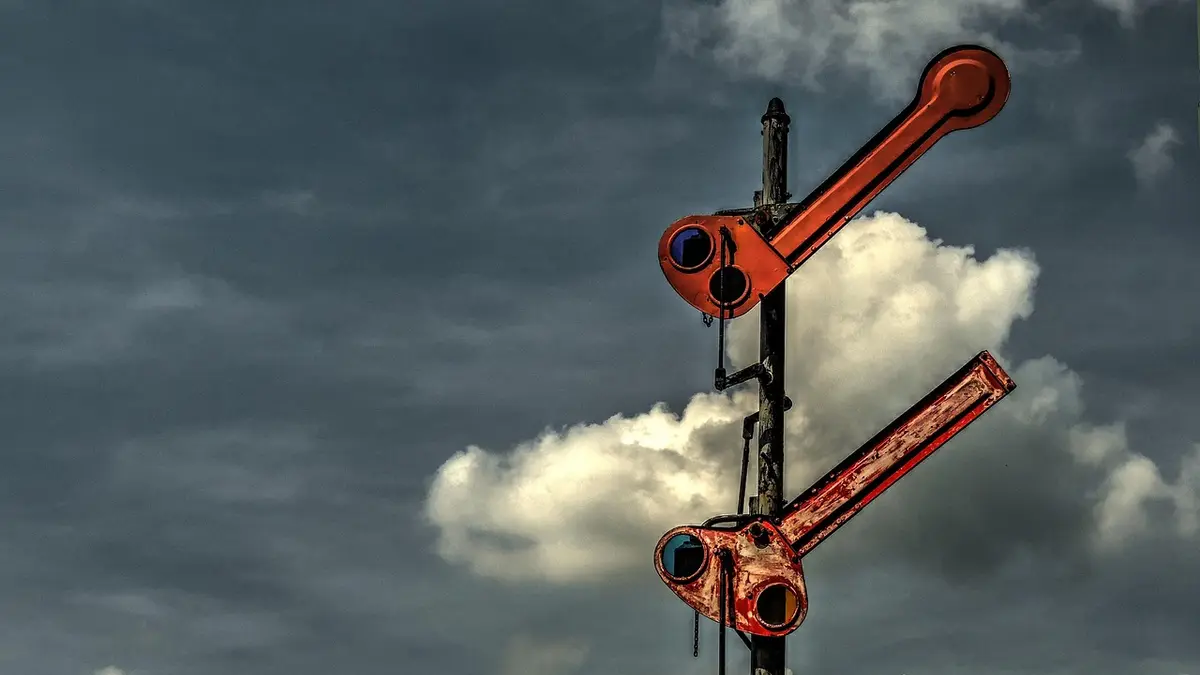
UK duty on mechanical semaphore signals
Read from the UK Trade Tariff on 4 October 2026, heading 8608 covers track fixtures, mechanical and electromechanical signalling equipment, and their parts. The supplied tariff record lists 8608 00 00 00 at 0% duty for goods from China, with no anti-dumping or countervailing measure and no suspension. The table shows semaphore product examples sharing this single commodity line.
The tariff record attaches a DCMS Export Licence control and records a document-waiver exemption for goods manufactured or produced less than 50 years ago. Ask your customs broker to confirm its relevance and documentary treatment for your shipment. Official guidance states that cultural objects have no import-licensing requirement in Great Britain. For an antique signal, ask the broker to check the separate cultural-goods position before shipment.
Confirm the commodity code against the actual assembly, its operating method and any separately supplied parts. Electrical signalling equipment is covered separately in our wider signalling guide. Use the duty and VAT guide when preparing your landed-cost calculation.
| Goods | Commodity code | Duty | Anti-dumping or countervailing duty on China |
|---|---|---|---|
| Mechanical railway semaphore signal assemblies | 8608 00 00 00 | 0% | None |
Specify semaphore movement and interfaces
State whether the signal is for operational railway use or display. For operational use, agree the railway buyer's acceptance route before manufacture. Confirm any Network Rail product acceptance requirements with the national-network buyer, and any approval requirements with the heritage-railway buyer. Where the interoperability regime applies to the structural subsystem, it must be technically compatible with its intended rail system.
Specify upper-quadrant or lower-quadrant movement, stop or distant arm pattern, arm material and dimensions, pivot position, spectacle arrangement, mounting centres and linkage connections. Define the intended indication when operating force is removed, counterweight arrangement, travel stops, bearing clearances and corrosion protection. Identify which lamps, lenses, posts and fittings are included.
Approve a drawing and sample mechanism against the buyer's installation. Ask the factory to demonstrate movement using the agreed mounting and linkage arrangement, with acceptance criteria supplied by the railway buyer.
Worked duty example
Illustrative example, not a quote: 40 semaphore signal operating mechanisms, illustrative only under 8608 00 00 00, invoiced at £30,000 free on board, with £1,600 of freight and insurance to the UK. The customs value is £31,600. Duty at 0% is £0. Import VAT at 20% is charged on the customs value plus duty, £31,600, so it is £6,320. With no duty, the only import tax is the VAT, which a VAT-registered importer can usually reclaim. The import duty and VAT guide explains each step.
Inspection checklist
Geometry: measure arm profile, mounting centres, pivot alignment and linkage connections against the approved drawing.
Movement: check free travel, bearing play, travel stops and return behaviour with the agreed counterweight and linkage fitted.
Indications: check arm markings, spectacle positioning and lens alignment against the ordered arrangement throughout movement.
Arrival condition: check bent arms, cracked castings, damaged coatings, loose fasteners and missing fittings; match inspection records to the supplied assemblies. See quality inspection.
Working out your own order? Send us the product on WhatsApp and we reply the same working day: WhatsApp us
What goes wrong
A signal can resemble the approved sample yet have the wrong movement direction, mounting centres or spectacle alignment. Tight pivots, excessive bearing play or an unsuitable counterweight can prevent the intended return behaviour. Treat appearance and mechanical function as separate acceptance checks.
Packing can leave long arms bent or expose machined pivots to corrosion. Require support around vulnerable parts and inspect the assembly after unpacking. Resolve drawing changes and acceptance evidence before dispatch, rather than modifying the mechanism after arrival.
Cambridge China Bridge sources these products for UK businesses, checking the factory and the documents before shipment. See factory verification. For machinery and equipment, see machinery imports.
Frequently asked questions
What is the UK import duty on semaphore signals from China?
The supplied tariff record lists mechanical semaphore signals and their parts under 8608 00 00 00 at 0% duty from China, with no anti-dumping or countervailing measure.
Do semaphore signals need Network Rail acceptance?
For signalling equipment intended for the national network, confirm any Network Rail product acceptance requirements with the railway buyer. Agree the acceptance route before ordering; for heritage railways, confirm any approval requirements with the relevant railway buyer.
Can I order a signal from photographs alone?
Use photographs to explain appearance, then agree drawings covering arm movement, pivot position, mounting centres, spectacle alignment and linkage connections. Approve a working sample against the intended installation.
What should I test on arrival?
Check transit damage, dimensions, pivot play, free movement, travel stops, return behaviour and spectacle alignment against the approved drawing and test procedure.