Sourcing mechanical point machines from China
Mechanical railway point machines and their parts under 8608 00 00 00 carry 0% UK duty from China, with no trade remedy recorded. Confirm with Network Rail whether railway signalling equipment for the national network needs its product acceptance. Confirm the intended installation before ordering. Cambridge China Bridge sources mechanical railway point machines.
Buying from China for a business? How our UK China sourcing agent service works · China sourcing agent for small orders and first imports
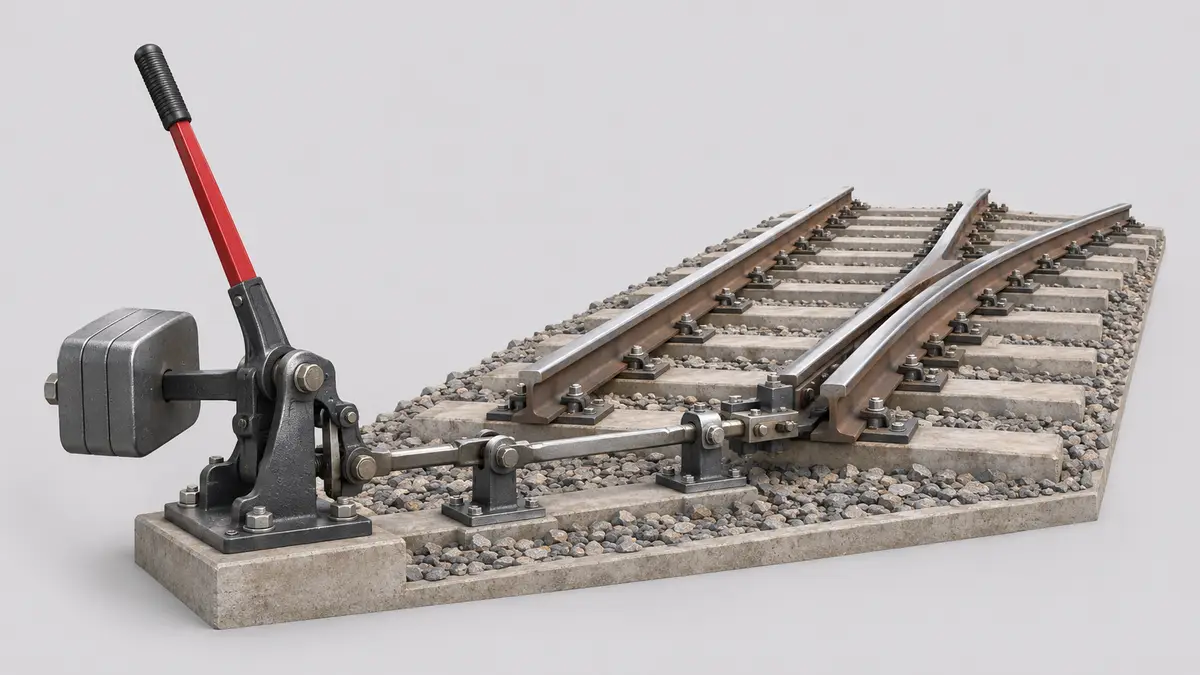
0% duty on mechanical railway point machines
Read from the UK Trade Tariff on 21 November 2026, heading 8608 covers railway track fixtures and fittings, mechanical signalling and safety equipment, including electromechanical equipment, and their parts. The supplied tariff contains a single commodity line, 8608 00 00 00. The table shows relevant product descriptions sharing that code. Goods from China carry 0% duty, with no anti-dumping or countervailing measure and no suspension recorded.
The tariff attaches a cultural-object export licence control. Official guidance says there are no licensing requirements for importing objects of cultural interest into Great Britain. Ask your customs broker to confirm the listed control against the shipment, particularly for historic equipment or a Northern Ireland destination.
Confirm the commodity code using drawings, operating method and the function of each separately supplied part. See the wider signalling equipment guide for neighbouring product families and the import duty and VAT guide for the illustrative order calculation.
| Goods | Commodity code | Duty | Anti-dumping or countervailing duty on China |
|---|---|---|---|
| Mechanical railway point machines | 8608 00 00 00 | 0% | None |
Specify throw, locking and detection
Identify the turnout design and whether the machine is manually driven or electromechanical. Specify mounting centres, operating direction, throw, required force, operating time, rod connections, locking arrangement and position detection. For powered units, add supply characteristics, contact arrangements and cable entries. Supply the installation drawing and agree the test procedure before manufacture.
For a structural subsystem within the Great Britain interoperability regime, authorisation is required before first use. Ask the project team to establish how the proposed machine fits its approval route.
For a unit within the scope of Great Britain's machinery safety regulations, the relevant conformity assessment and conformity marking are required. Agree the applicable route with the manufacturer and project team, and request the supporting documents for the exact model being supplied.
Worked duty example
Illustrative example, not a quote: 40 mechanical railway point machines, illustrative order only under 8608 00 00 00, invoiced at £30,000 free on board, with £1,600 of freight and insurance to the UK. The customs value is £31,600. Duty at 0% is £0. Import VAT at 20% is charged on the customs value plus duty, £31,600, so it is £6,320. With no duty, the only import tax is the VAT, which a VAT-registered importer can usually reclaim. The import duty and VAT guide explains each step.
Inspection checklist
Fit: measure mounting centres, rod connections, operating direction and available clearance against the agreed drawing. Check the delivered configuration before installation.
Movement and locking: witness operation under the agreed representative load. Record throw and operating force, check positive locking and examine gears, bearings and rods for binding or excessive play.
Detection and enclosure: check that position indication agrees with actual movement and locking. For powered units, check contact wiring and manual release operation. Inspect seals, cable entries, drainage and corrosion protection.
Records and packing: match serial numbers, drawings, test results and the buyer's approval evidence to the delivered units. Check that rods are restrained and machined surfaces protected. Use the quality inspection guide to structure the inspection brief.
Working out your own order? Send us the product on WhatsApp and we reply the same working day: WhatsApp us
What goes wrong
A machine can operate on a factory bench yet bind when connected to the turnout. Incorrect rod geometry, mounting orientation or locking adjustment can prevent the required travel. Detection contacts may indicate an end position before the locking mechanism has engaged. Specify the interface and witness the agreed loaded test.
Other problems include water entering through cable entries, damaged rods in transit and test reports describing a different configuration. Treat drawing revisions, serial-number records and the buyer's approval evidence as acceptance items. Arrange factory verification before committing to production.
Cambridge China Bridge sources these products for UK businesses, checking the factory and the documents before shipment. See factory verification. For machinery and equipment, see machinery imports.
Frequently asked questions
What is the UK import duty on mechanical railway point machines from China?
The supplied tariff data records 0% duty under 8608 00 00 00, with no anti-dumping or countervailing measure and no suspension.
Can a Chinese point machine be used on the national railway network?
Ask the project team to confirm the exact model and installation approval route before ordering.
What should I specify before requesting a quotation?
Provide the turnout and mounting drawings, operating method, throw, required force, rod connections, locking and detection arrangements. Include supply and wiring details for powered machines.
Does the tariff's cultural export licence apply to my import?
It is listed as an export control. Official guidance states that cultural-object imports into Great Britain have no licensing requirements. Ask your broker to confirm its relevance, especially for historic equipment.