Sourcing marine aluminium plate from China
Marine-grade aluminium plate from China carries 6% UK duty across the selected lines, with no trade remedies recorded. For solid wood packing, a certificate cannot replace the required import mark. Specify alloy, temper and batch-linked mill evidence. Cambridge China Bridge sources marine-grade aluminium plate.
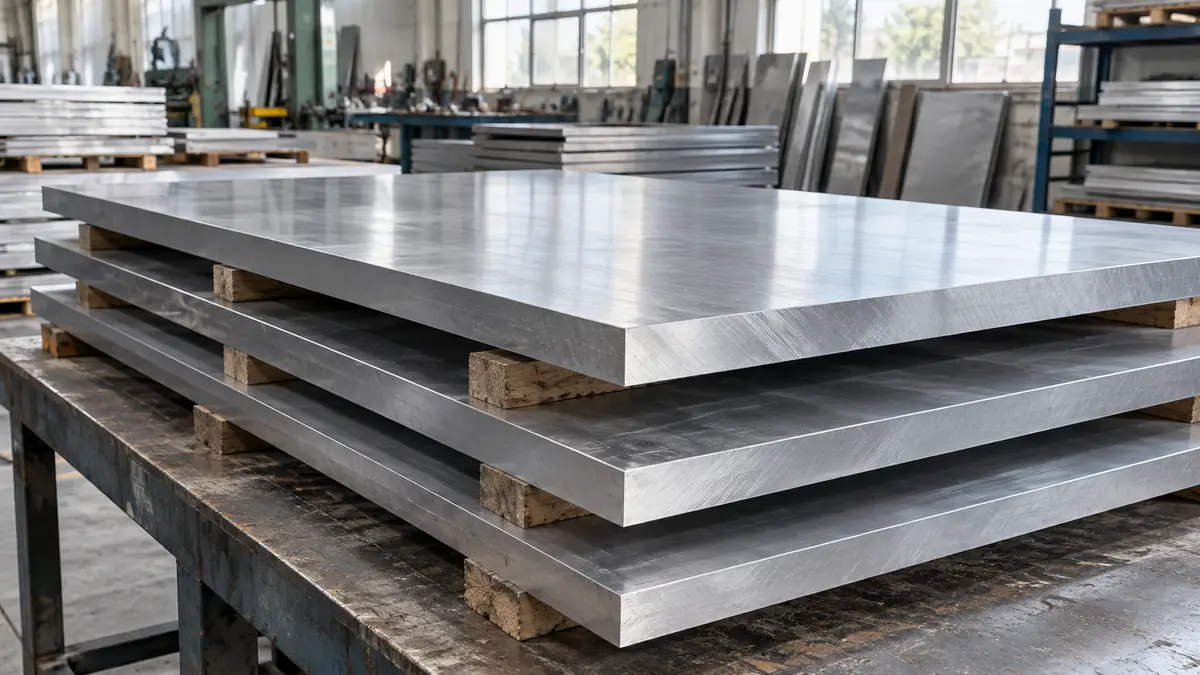
UK duty on marine-grade aluminium plate
Read from the UK Trade Tariff on 30 September 2026, heading 7606 covers aluminium plates, sheets and strip exceeding 0.2 mm thick. The selected candidate lines for solid aluminium alloy plate carry 6% ordinary duty on goods from China. The supplied record lists no anti-dumping duty, countervailing duty or attached import controls for these lines.
The selected lines have no recorded suspension. Elsewhere in the heading, suspensions cover specified products or uses, including qualifying balcony-part sheet and aircraft materials. Do not apply those concessions simply because plate is described as marine-grade. Confirm alloy, thickness, shape, coating and form with your broker using finding your commodity code. See the wider aluminium sheet guide for other products within the heading.
The UK carbon border adjustment mechanism comes into effect on 1 January 2027. Confirm the applicable commodity code and obligations with HMRC or your customs broker before importing plate from that date, and ask the mill about emissions information. See the UK carbon border adjustment guide.
| Goods | Commodity code | Duty | Anti-dumping or countervailing duty on China |
|---|---|---|---|
| Other rectangular alloy plate, 3 mm to under 6 mm, unbacked | 7606 12 93 87 | 6% | None |
| Rectangular alloy plate over 6 mm, unbacked, excluding aluminium-lithium | 7606 12 99 86 | 6% | None |
| Other rectangular alloy plate at least 6 mm, unbacked, excluding aluminium-lithium | 7606 12 99 87 | 6% | None |
| Other non-rectangular alloy sheet or plate, unbacked, without internal layers | 7606 92 00 92 | 6% | None |
Alloy, temper and evidence for marine fabrication
Specify the exact alloy and temper, thickness tolerance, length, width, flatness, surface finish and edge preparation. Describe whether the plate will be welded, bent or machined for hull repairs, decks or fittings. Ask the vessel designer or repair contractor to approve the material specification rather than accepting a supplier's marine-grade description.
Request batch-linked mill certificates showing chemical composition and mechanical test results. Agree any corrosion testing and independent material checks with the project specialist. If the customer asks for classification society approval, identify the exact approval and verify that the certificate covers the supplying mill, material and delivered batch.
Agree dry interleaving, edge protection and supports that prevent plate movement. For solid wood packing imported into Great Britain, a certificate cannot replace the required import mark. Ask for clear photographs of the marks before dispatch.
Worked duty example
Illustrative example, not a quote: Illustrative order: 20 tonnes of marine-grade aluminium plate for a boat repair business; FOB and freight values are illustrative whole pounds. under 7606 12 99 86, invoiced at £36,000 free on board, with £4,000 of freight and insurance to the UK. The customs value is £40,000. Duty at 6% is £2,400. Import VAT at 20% is charged on the customs value plus duty, £42,400, so it is £8,480. Import taxes total £10,880; a VAT-registered importer can usually reclaim the VAT, so the lasting cost is the £2,400 of duty. The import duty and VAT guide explains each step.
Inspection checklist
Material: match plate markings and batch identifiers to the mill certificates, ordered alloy and temper; investigate substitutions or certificates that cannot be traced to the shipment.
Dimensions: measure thickness across the plate and check length, width, squareness and flatness against the agreed drawing; record the measuring method.
Surface and edges: check for pitting, scratches, dents, embedded contamination, burrs and distortion near cut edges; compare prepared edges with the fabrication brief.
Packing and arrival: check dry interleaving, protected corners, supports and solid wood packing marks; photograph wet bundles and impact damage during quality inspection.
Working out your own order? Send us the product on WhatsApp and we reply the same working day: WhatsApp us
What goes wrong
Marine-grade can become a vague sales description while alloy, temper or batch evidence is missing. A certificate for another batch does not demonstrate what was delivered. Approve the material specification before production and reconcile plate markings with the shipment documents before fabrication.
Thin or bowed plate creates fit-up problems, while damaged edges add preparation work before welding. Moisture trapped between stacked plates can leave staining. Keep inspection records before cutting, and agree how the supplier will handle material that fails the purchase specification.
Cambridge China Bridge sources these products for UK businesses, checking the factory and the documents before shipment. See factory verification. For repeat volumes, see container programmes.
Frequently asked questions
What is the UK import duty on marine-grade aluminium plate from China?
The selected candidate lines carry 6% ordinary duty. The supplied tariff record lists no anti-dumping duty, countervailing duty, suspension or attached import controls for those lines.
Is a marine-grade description enough to order aluminium plate?
Specify the exact alloy, temper and fabrication requirements. Ask your vessel designer or repair contractor to approve them, and obtain mill certificates linked to the delivered batch.
What should I check on marine aluminium plate when it arrives?
Check batch markings, mill certificates, thickness, flatness, surface damage and cut edges. Photograph packing damage and wet bundles before cutting or fabrication.
Can a treatment certificate replace the mark on wooden packing?
For solid wood packing imported into Great Britain, certification cannot replace the required import mark. Ask for photographs of the marks before dispatch.