Sourcing aluminium tooling plate from China
Aluminium tooling plate from China carries 6% UK duty across the selected lines, with no listed trade remedies or suspensions. Declare the commodity code for the actual alloy, thickness and form, rather than relying on the name 'tooling plate'. Cambridge China Bridge sources aluminium tooling plate.
UK duty on aluminium tooling plate
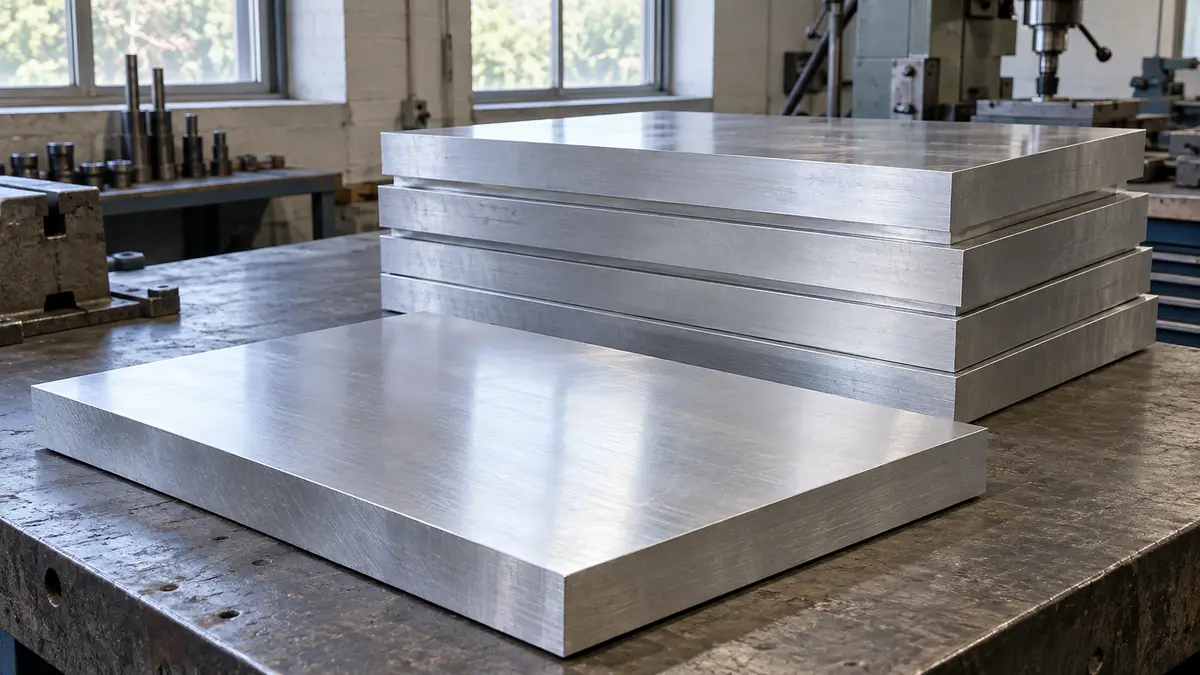
Read from the UK Trade Tariff on 30 September 2026, heading 7606 covers aluminium plates, sheets and strip exceeding 0.2 mm thick. This guide focuses on solid tooling plate for machining fixtures, jig bases and mould work. The table distinguishes rectangular alloy plate by thickness and includes a non-rectangular plate line. For marine applications, see our marine-grade aluminium plate sourcing guide.
The selected lines carry 6% duty for goods from China. The supplied tariff record lists no anti-dumping or countervailing duty, suspensions or attached import controls on these lines. Named-use suspensions elsewhere in the heading should not be assumed to cover ordinary tooling plate. Consult the wider sheet guide and confirm with HMRC or your customs broker whether the UK carbon border adjustment mechanism will apply to your aluminium plate imports and when. For aerospace applications, see our aerospace aluminium plate sourcing guide.
Use the commodity code guide to confirm alloy, thickness, shape, backing and processing with your customs broker. The commodity code must appear on the import declaration. See aluminium sheet and composite panels for the wider heading and import duty and VAT for the calculation method.
| Goods | Commodity code | Duty | Anti-dumping or countervailing duty on China |
|---|---|---|---|
| Rectangular alloy plate over 6 mm, without backing or internal layers | 7606 12 99 86 | 6% | None |
| Other rectangular alloy plate, 6 mm or more, without backing or internal layers | 7606 12 99 87 | 6% | None |
| Other rectangular alloy plate, 3 mm to under 6 mm, without backing | 7606 12 93 87 | 6% | None |
| Other non-rectangular alloy plate, without backing or internal layers | 7606 92 00 92 | 6% | None |
Specify stability after machining
State the alloy designation and composition, whether the plate is cast or rolled, its heat treatment and stress relief, and whether the faces are supplied milled or as produced. Specify finished dimensions, thickness tolerance, flatness, face parallelism, surface finish and machining allowance. A supplier's description of 'tooling plate' is not a complete specification.
Ask for batch-linked material certificates and agree a machining trial using your intended pocketing or drilling pattern. Measure the trial blank before and after machining, with its support conditions recorded. Agree acceptance against your drawing rather than accepting an unrelated sample's flatness report.
Worked duty example
Illustrative example, not a quote: Illustrative order: 6 tonnes of rectangular aluminium alloy tooling plate under 7606 12 99 86, invoiced at £36,000 free on board, with £4,000 of freight and insurance to the UK. The customs value is £40,000. Duty at 6% is £2,400. Import VAT at 20% is charged on the customs value plus duty, £42,400, so it is £8,480. Import taxes total £10,880; a VAT-registered importer can usually reclaim the VAT, so the lasting cost is the £2,400 of duty. The import duty and VAT guide explains each step.
Inspection checklist
Material identity: match plate markings and batch references to the material certificate; verify composition and hardness against the agreed specification.
Geometry: measure thickness across the plate, flatness on agreed supports, face parallelism and cut dimensions. Record results for identifiable plates at inspection.
Machining performance: check the trial piece for distortion, exposed porosity, tearing and the required surface finish after material removal.
Packing: check face protection, interleaving, edge protection and restraint against movement. Solid wood packaging used for imports into Great Britain must meet ISPM15 international standards.
Working out your own order? Send us the product on WhatsApp and we reply the same working day: WhatsApp us
What goes wrong
Plate can arrive flat but move when a deep pocket releases residual stress. Substituting ordinary rolled plate for the agreed stress-relieved material can spoil a fixture after machining. Cast plate can reveal porosity beneath an acceptable-looking face. Keep the material route and machining trial in the purchase specification.
Clamping can hide bow during measurement, while damaged edges reduce usable machining allowance. Agree how plates are supported and measured, photograph damage before unpacking, and keep plate identities linked to inspection results before releasing stock for machining.
Cambridge China Bridge sources these products for UK businesses, checking the factory and the documents before shipment. See factory verification. For repeat volumes, see container programmes.
Frequently asked questions
What is the UK import duty on aluminium tooling plate from China?
The selected tooling-plate lines carry 6% duty. The supplied tariff record lists no anti-dumping or countervailing duty and no suspension on those lines.
Is cast tooling plate the same as rolled aluminium plate?
They are different production routes. Specify the route, alloy, treatment and machining performance you need; do not approve a substitution solely because the dimensions match.
How do I check whether tooling plate will warp?
Agree a representative machining trial. Measure the identified blank before and after machining under recorded support conditions, then compare it with your drawing's acceptance limits.
What documents should I ask the Chinese supplier for?
Ask for batch-linked material certificates, the agreed treatment details, dimensional inspection results and the machining trial report. Match the documents to markings on the supplied plates.