Sourcing live composting earthworms from China
Live composting earthworms fall under a candidate commodity line with 0% duty for goods from China. Commercial invertebrate imports are permitted from any trading partner, but the species, bedding and entry arrangements need checking before dispatch. Cambridge China Bridge sources live composting earthworms.
Buying from China for a business? How our UK China sourcing agent service works · China sourcing agent for small orders and first imports
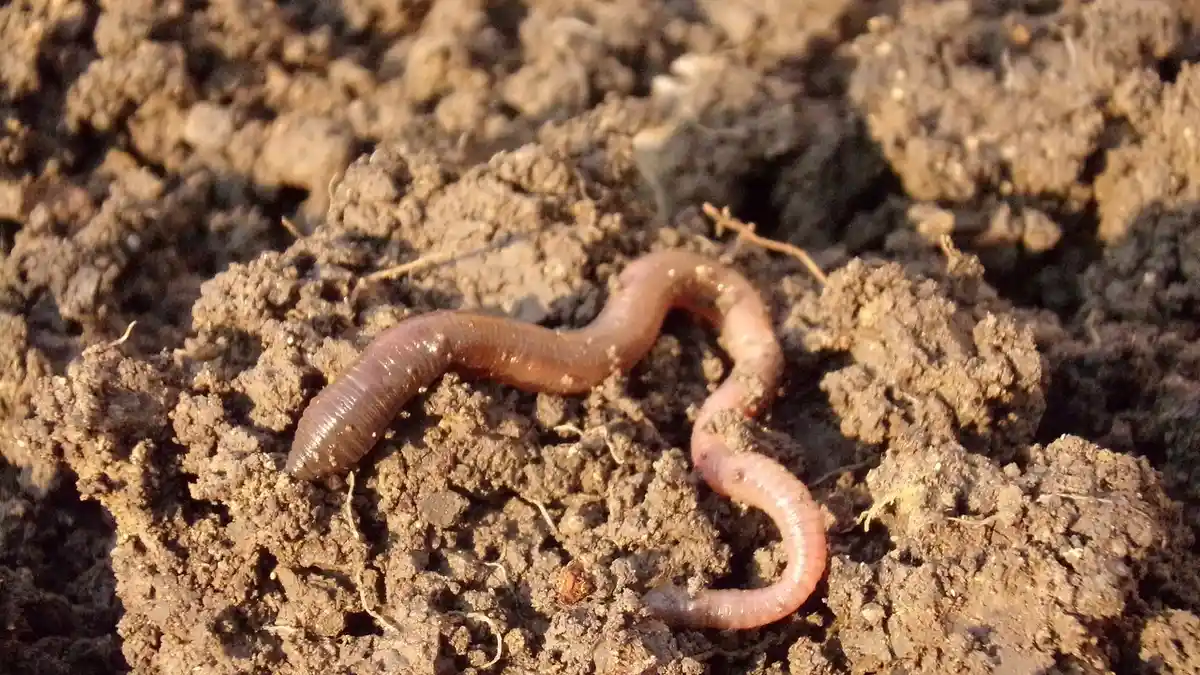
Duty and controls for live composting earthworms
Read from the UK Trade Tariff on 29 September 2026, heading 0106 covers other live animals. The relevant candidate line for live composting earthworms is 0106 90 00 90, with 0% duty for goods from China. The supplied snapshot records no anti-dumping or countervailing duty and no suspension for this line. The table shows purchasing forms sharing that commodity line.
The UK Trade Tariff attaches veterinary control, CITES import and export controls, invasive alien species control and organic-product import control to this line. Their application to the proposed species and shipment is not established by the tariff entry alone. Confirm the applicable requirements and declaration documents with your customs broker and APHA before ordering.
Give your broker the scientific species name, intended composting use and complete bedding composition. Confirm classification using finding your commodity code. For the broader heading, see other live animals.
| Goods | Commodity code | Duty | Anti-dumping or countervailing duty on China |
|---|---|---|---|
| Live composting earthworms, breeding stock | 0106 90 00 90 | 0% | None |
Specify the species, live weight and bedding
Specify the scientific species name rather than accepting a trade name such as red worms. Agree the maturity mix, live worm weight excluding bedding, weighing method and acceptable arrival condition. Ask the breeder to identify the breeding premises and provide batch photographs showing the worms and packing medium separately.
Official commercial-invertebrate guidance permits imports from any trading partner. Non-native animals require an import licence application. Ask APHA to establish the position for the named species before committing to stock. Commercial consignments from China normally enter through an approved border control post; agree the route and documentation with your broker.
For England and Wales, soil from China requires authorisation to import, move or keep. Do not accept soil or compost bedding without a plant-health assessment of the actual material. Ask APHA to confirm an admissible packing medium before the supplier packs the worms. Animals must be transported appropriately for their species.
Worked duty example
Illustrative example, not a quote: Illustrative trial consignment for a small wormery business under 0106 90 00 90, invoiced at £1,715 free on board, with £834 of freight and insurance to the UK. The customs value is £2,549. Duty at 0% is £0. Import VAT at 20% is charged on the customs value plus duty, £2,549, so it is £509.80. With no duty, the only import tax is the VAT, which a VAT-registered importer can usually reclaim. The import duty and VAT guide explains each step. This assumes the goods are standard-rated for VAT. Most food for human consumption is zero-rated, and animal feed can be too, in which case no import VAT is due, so check the rate for your product in HMRC's VAT Notice 701/14.
Inspection checklist
Identity: compare the batch description and breeder's species identification with the order; investigate mixed or unidentified organisms.
Condition: inspect movement, mortality, unusual odour, drying and waterlogging. Photograph the condition before transferring the worms.
Quantity: check live worm weight using the agreed method, excluding packaging and bedding rather than accepting gross parcel weight.
Packing: compare the actual medium with the agreed composition; check ventilation, leaks, escape routes and evidence of overheating.
Working out your own order? Send us the product on WhatsApp and we reply the same working day: WhatsApp us
What goes wrong
A supplier may describe a mixed culture as a single species or count bedding towards the quoted worm weight. Require a clear weighing method and batch identity, then record discrepancies on arrival. Agree beforehand how dead-on-arrival stock and species substitutions will be assessed.
A shipment can match the worm specification while its bedding remains unresolved. Replacing the packing medium without telling the buyer can undermine the import assessment. Put bedding changes, carrier acceptance and receiving arrangements into the purchase agreement, and keep suspect stock contained while obtaining advice.
Cambridge China Bridge sources these products for UK businesses, checking the factory and the documents before shipment. See factory verification. For repeat volumes, see container programmes.
Frequently asked questions
What is the UK import duty on live composting earthworms from China?
The supplied tariff snapshot gives 0% duty for candidate code 0106 90 00 90, with no recorded anti-dumping or countervailing duty or suspension. Confirm the classification for your shipment.
Can I import composting earthworms from China?
Official guidance permits commercial invertebrate imports from any trading partner. Ask APHA to check your species and your broker to confirm the entry route, documents and attached tariff controls before ordering.
Can the worms arrive in Chinese soil?
Ask APHA to assess the actual bedding before dispatch; do not assume that packing material is exempt.
What should I check when composting worms arrive?
Check species identity, movement, mortality, moisture, odour and live worm weight excluding bedding. Photograph the unopened packaging and arrival condition, and compare the packing medium with the agreed specification.
Sources
- UK Trade Tariff — commodity codes and duty
- Commercial reptiles, amphibians and invertebrates: import information note
- General information for imports of live animals and germplasm
- Moving specified plants, plant pests, pathogens and soil
- Importing non-native animals
- HMRC — Food products (VAT Notice 701/14)