Sourcing lithium titanate battery cells from China
Lithium titanate battery cells generally attract 2% UK duty from China; qualifying cylindrical cells may receive a suspension to 0%. The UK importer first supplying batteries is usually the battery producer. Check the exact cell model, transport evidence and battery marking before shipment. Cambridge China Bridge sources lithium titanate battery cells.
Duty on lithium titanate cells
Read from the UK Trade Tariff on 29 September 2026, heading 8507 covers electric accumulators and their separators. For lithium titanate cells, start by checking the lithium-ion lines against the actual specification. The table includes finished-cell candidates and separately imported manufacturing components; component codes do not describe complete cells.
The listed lines carry 2% duty for goods from China, with no anti-dumping or countervailing duty recorded. The cylindrical-cell line has a 0% suspension for goods meeting its description. Other recorded suspensions cover specified packs, modules or separators, sometimes under authorised use. Do not assume these cover ordinary loose cells. The tariff also attaches an export control of mercury; ask your customs broker to confirm its relevance to your import.
Give the broker the chemistry, dimensions, capacity, construction and intended use to confirm the commodity code. Some supplied suspension footnotes are incomplete, so confirm the full conditions before claiming relief. See the sodium-ion battery guide for the wider heading and the import duty and VAT guide for the calculation.
| Goods | Commodity code | Duty | Anti-dumping or countervailing duty on China |
|---|---|---|---|
| Other lithium-ion cells, including lithium titanate cells subject to classification | 8507 60 00 90 | 2% | None |
| Cylindrical cells meeting the specified dimensions, capacity and manufacturing use | 8507 60 00 30 | 2% | None |
| Specified metal cell caps or housings for lithium-ion battery manufacture | 8507 90 80 55 | 2% | None |
| Other thin plastic-film battery separators | 8507 90 31 90 | 2% | None |
Specify the cell and charging envelope
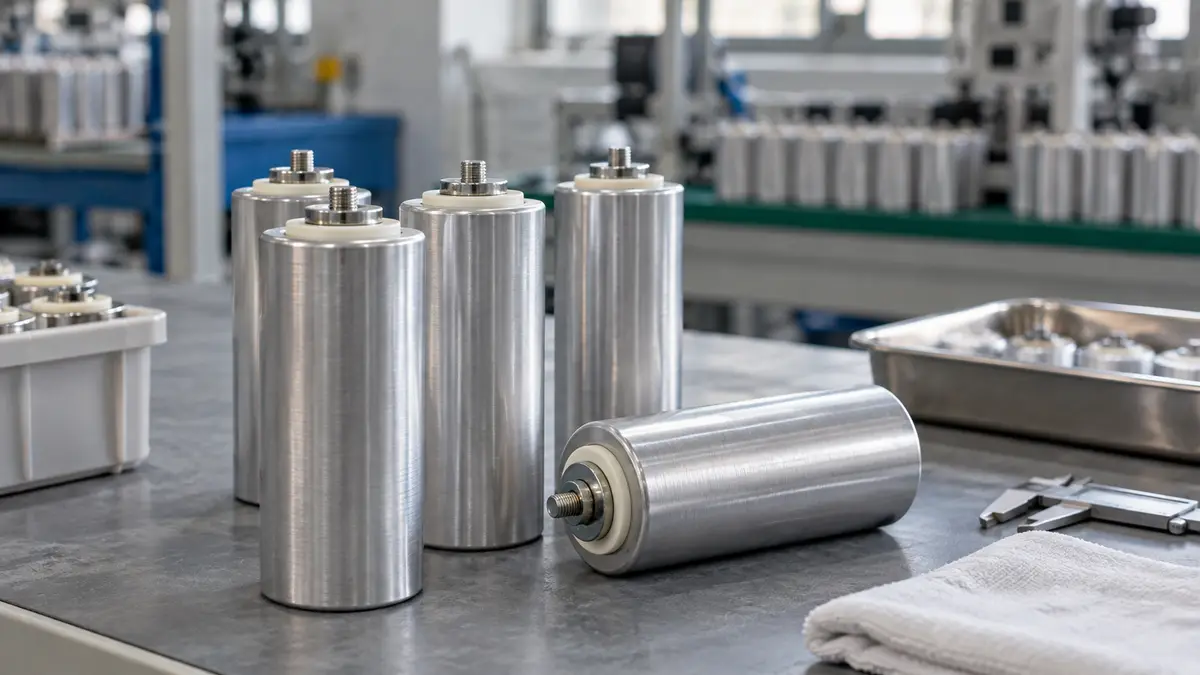
Ask the factory to identify the cell manufacturer and model, and confirm the lithium titanate chemistry in the technical specification. Specify cylindrical, prismatic or pouch construction, terminal arrangement, dimensions, mass, rated capacity and the conditions used to measure it. Agree whether cells must be new and prohibit substitutions without written approval.
Obtain the charging voltage limits, continuous and pulse current limits, temperature limits and recommended storage conditions for that exact model. Give these to the pack designer before approving samples. Require cycle-life claims to state the charge and discharge method, temperature and remaining-capacity criterion.
A UK business first making batteries available in its selling chain is a battery producer. Registration depends on battery type and quantity. Confirm the category before selling. Ask the relevant authority to confirm the crossed-out wheeled bin marking requirements and any differences in market rules for Northern Ireland. Arrange testing and certification against the actual model and intended use.
Worked duty example
Illustrative example, not a quote: Illustrative batch of lithium titanate cells for a small-business pack assembly trial under 8507 60 00 90, invoiced at £4,000 free on board, with £600 of freight and insurance to the UK. The customs value is £4,600. Duty at 2% is £92. Import VAT at 20% is charged on the customs value plus duty, £4,692, so it is £938.40. Import taxes total £1,030.40; a VAT-registered importer can usually reclaim the VAT, so the lasting cost is the £92 of duty. The import duty and VAT guide explains each step.
Inspection checklist
Identity: match the maker, model, batch markings and technical documents to the approved sample; check terminal polarity, dimensions and case condition.
Performance: measure capacity using the agreed discharge method, and compare voltage and internal resistance across the batch before assembling matched groups.
Condition: check for swelling, leakage, damaged insulation, loose terminals and signs of reworking; segregate suspect cells for assessment.
Documents and packing: match the UN38.3 test summary to the cell model, check battery marking and terminal protection, and confirm dangerous-goods arrangements with the forwarder. Use quality inspection to define sampling and acceptance checks.
Working out your own order? Send us the product on WhatsApp and we reply the same working day: WhatsApp us
What goes wrong
A sample result does not establish batch consistency. Mixed models, uneven capacity, damaged terminal threads or an undocumented cell substitution can undermine pack assembly. Record acceptance limits and the remedy for rejected cells in the order, and retain the approved sample and batch test results.
A transport summary for a different model leaves the shipment evidence unresolved. Likewise, a proposed duty suspension may describe a module rather than your loose cells. Resolve document mismatches and classification before booking freight, rather than accepting the supplier's generic description of a lithium battery.
Cambridge China Bridge sources these products for UK businesses, checking the factory and the documents before shipment. See factory verification. For components and parts, see sourcing for manufacturers.
Frequently asked questions
What is the UK import duty on lithium titanate cells from China?
The supplied tariff records show 2% on the relevant lithium-ion lines. A 0% suspension is recorded for qualifying cylindrical cells. No anti-dumping or countervailing duty is recorded.
Am I a battery producer if I import loose cells?
Usually, if your business has a UK presence and first makes the batteries available in your selling chain on the UK market. Confirm the battery category and registration route before selling.
What documents should I request before shipping?
Request the exact model's technical specification, UN38.3 test summary and safety data sheet. Match them to the cell markings and agree dangerous-goods packing and booking with the forwarder.
How do I check the claimed capacity?
Agree the charge and discharge conditions, temperature and cut-off settings before testing. Measure samples from the delivery and compare the results with the approved specification.