Sourcing leather razor strops from China
Leather razor strops from China have a proposed UK duty rate of 2%, with no anti-dumping or countervailing duty shown in the supplied tariff facts. Confirm the commodity code, leather species and tanning treatment before shipment, and check chemical restrictions for handled leather. Cambridge China Bridge sources leather razor strops.
Buying from China for a business? How our UK China sourcing agent service works · China sourcing agent for small orders and first imports
Duty and animal-material controls
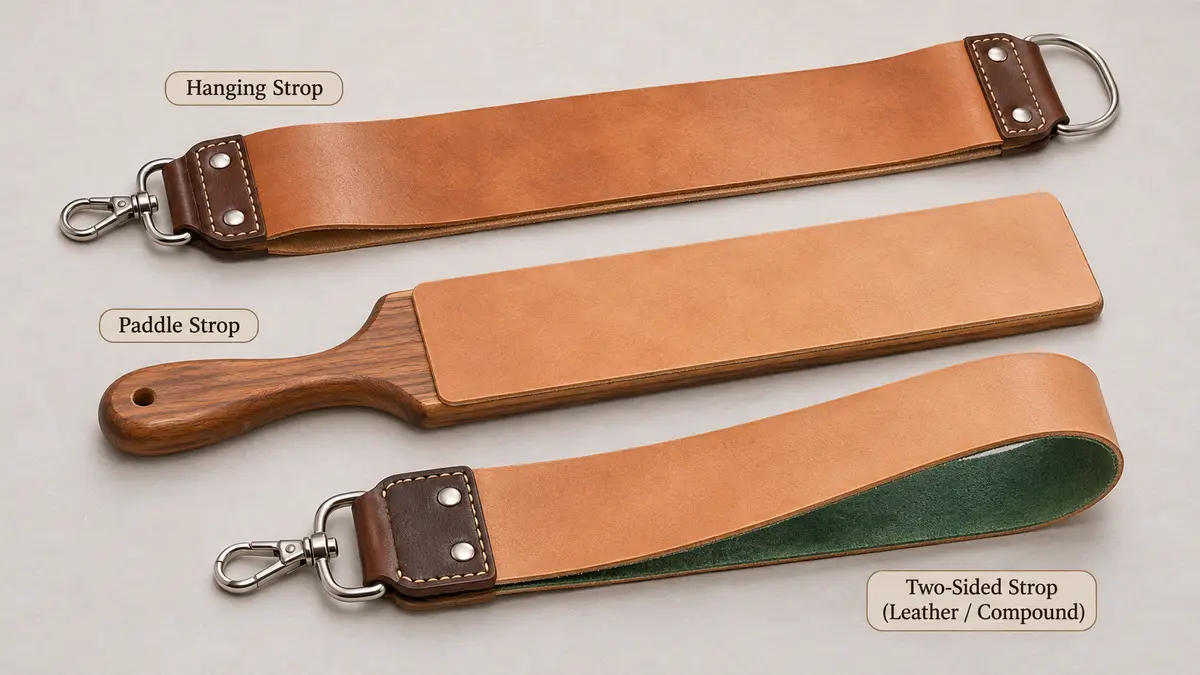
Read from the UK Trade Tariff on 1 October 2026, heading 4205 covers other articles of leather or composition leather. The supplied lines all carry 2% duty for goods from China, with no anti-dumping or countervailing measures or suspensions shown. The table repeats the proposed other-articles code for different strop formats. For the wider heading, see leather transmission belting.
The proposed strop line attaches veterinary, CITES, cat and dog fur, seal-product and torture-goods import controls. Ask your customs broker to confirm the cat and dog fur restrictions against the declared species and materials. Seal products cannot enter Great Britain unless an exemption applies. CITES-listed skins need the appropriate permit; identify the species before ordering. For the attached torture-goods prohibition, ask your customs broker to confirm the requirement against the actual product.
APHA guidance exempts hides and skins treated by its listed methods from veterinary checks. Give your broker the species and tanning declaration to confirm whether that treatment exemption applies to the finished strops from China and what declaration evidence is needed. Confirm the commodity code using photographs, construction details and intended use, especially for mounted strops or sets supplied with a razor.
| Goods | Commodity code | Duty | Anti-dumping or countervailing duty on China |
|---|---|---|---|
| Hanging leather razor strops | 4205 00 90 00 | 2% | None |
Specify the stropping face and construction
Specify hanging, paddle-mounted or adjustable-tension construction; animal species; leather layer; tanning method; usable face dimensions; thickness; edge finish; and whether the face is plain or supplied with polishing compound. Agree flexibility and surface drag against a retained sample. For hanging strops, specify the hook, swivel, handle and attachment method. For mounted versions, approve backing flatness and adhesion.
For leather that contacts skin, confirm applicable UK REACH restrictions on chromium VI, certain azo dyes and dimethylfumarate with HSE or the relevant product-compliance authority. Request test evidence matching the leather and colour. Consumer products sold in Great Britain must be safe in normal or reasonably foreseeable use. Include secure fittings and clear tensioning, stropping and storage instructions in the sample review.
Worked duty example
Illustrative example, not a quote: Illustrative order: 400 hanging leather razor strops under 4205 00 90 00, invoiced at £6,000 free on board, with £400 of freight and insurance to the UK. The customs value is £6,400. Duty at 2% is £128. Import VAT at 20% is charged on the customs value plus duty, £6,528, so it is £1,305.60. Import taxes total £1,433.60; a VAT-registered importer can usually reclaim the VAT, so the lasting cost is the £128 of duty. The import duty and VAT guide explains each step.
Inspection checklist
Leather: compare species documentation, cut edges, backing, thickness and flexibility with the approved sample; check for substituted bonded material.
Stropping face: inspect under angled light for grit, raised scars, cuts, hard spots and coating flakes; compare surface drag using the agreed trial method.
Fittings: pull and flex attachments using the agreed inspection method; check loose rivets, sharp edges, swivel movement and separation from the backing.
Packing: check that faces arrive flat and clean, with no mould, dampness, dye transfer or persistent solvent smell; match instructions and product identification to the order.
Working out your own order? Send us the product on WhatsApp and we reply the same working day: WhatsApp us
What goes wrong
A strop can look acceptable yet have embedded grit or a raised seam that catches the blade. Uneven thickness, curling edges and inconsistent surface treatment change contact across the stropping face. Weak rivets, loose hooks and peeling adhesive can make the approved design unusable.
Polishing compound can conceal surface defects, so approve the leather face before compound is applied and retain a finished sample as well. Agree rejection criteria for face defects and attachment failures before production. Compare arrival checks with the supplier's inspection records through quality inspection explained.
Cambridge China Bridge sources these products for UK businesses, checking the factory and the documents before shipment. See factory verification. For own-brand ranges, see sourcing for brands.
Frequently asked questions
What is the UK import duty on leather razor strops from China?
The supplied heading 4205 lines carry 2% duty for China, with no anti-dumping or countervailing duty or suspension shown. Confirm the proposed strop code 4205 00 90 00 with your customs broker.
Do leather razor strops need veterinary checks?
The tariff attaches veterinary control. APHA exempts hides treated by its listed methods from veterinary checks. Ask your broker to confirm the finished strop's treatment status and declaration evidence.
Which leather details should I ask the factory for?
Ask for animal species, leather layer, tanning method, thickness, usable face dimensions and surface treatment. Approve flexibility and drag against a retained sample, and identify any supplied polishing compound.
What defects matter most on a razor strop?
Check embedded grit, raised scars, cuts, hard spots, curling and uneven surface drag. Check attachment security and backing adhesion. A clean-looking face alone does not establish that the strop matches your sample.