Sourcing knitted chenille fabric from China
Knitted chenille pile fabric from China carries a flat 8% UK duty across the listed fibre categories, with no recorded trade remedy or suspension. Fabric sold to consumers by the metre must show its fibre composition. Confirm the pile construction before choosing the code. Cambridge China Bridge sources knitted chenille fabric.
Buying from China for a business? How our UK China sourcing agent service works · China sourcing agent for small orders and first imports
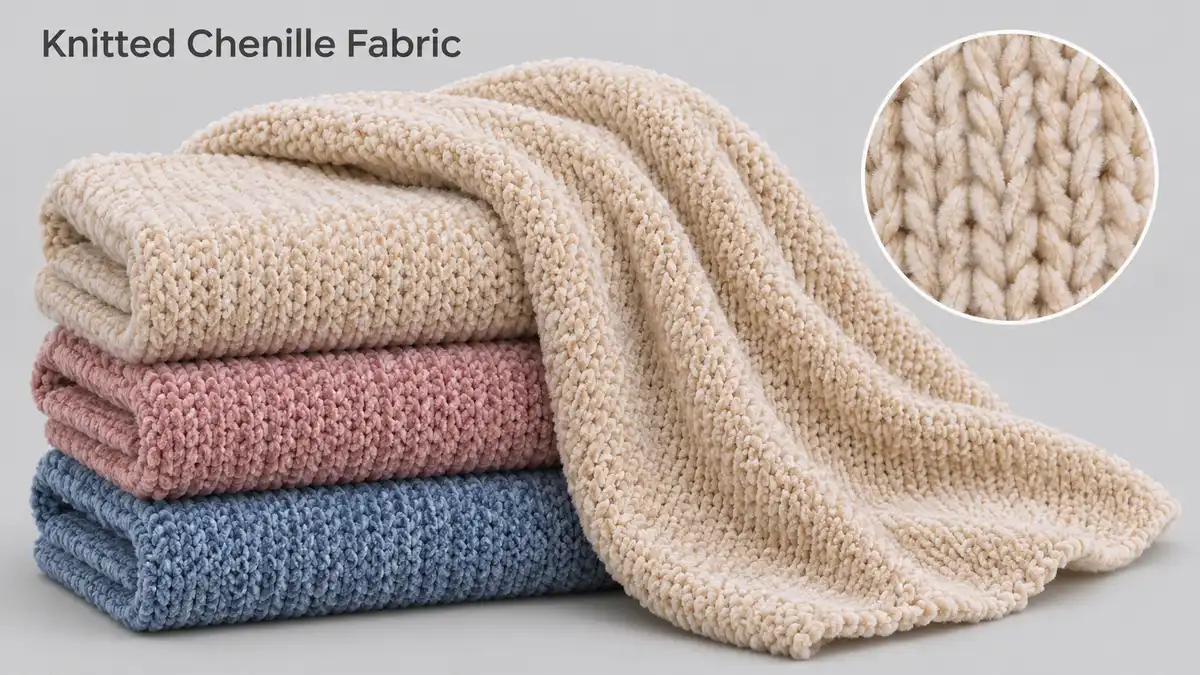
A flat duty for knitted chenille pile fabric
Read from the UK Trade Tariff on 1 October 2026, heading 6001 covers knitted or crocheted pile fabrics, including long pile and terry fabrics. The listed lines carry 8% duty for goods from China, with no recorded anti-dumping or countervailing duty and no suspension. This guide concerns knitted chenille with a pile construction; the table shows the other-pile lines by fibre.
The selected table lines have no attached import controls in the supplied tariff record. Some long-pile and looped-pile lines elsewhere in the heading carry CITES import and export controls. Importing CITES specimens into Great Britain requires a permit. If animal-derived material raises a species question, ask your customs broker to confirm the applicable control and documentation before ordering.
Ask the mill for the knitting construction, fibre composition and a physical sample, then confirm the commodity code. Do not choose a code from the word chenille alone. See the wider pile-knit fabric guide for other constructions.
| Goods | Commodity code | Duty | Anti-dumping or countervailing duty on China |
|---|---|---|---|
| Cotton knitted chenille with an other-pile construction | 6001 91 00 00 | 8% | None |
| Man-made fibre knitted chenille with an other-pile construction | 6001 92 00 00 | 8% | None |
| Wool or fine animal hair knitted chenille, other-pile construction | 6001 99 00 10 | 8% | None |
| Other textile material knitted chenille, other-pile construction | 6001 99 00 90 | 8% | None |
Specify the chenille yarn and knitted ground
Specify the fibre composition of the chenille yarn and ground yarn separately, yarn count, knitted structure, pile coverage, mass per square metre and usable width after finishing. Agree stretch and recovery in each direction, the colour sample, pile direction and intended washing method. Keep an approved sample showing the face and reverse.
Fabric sold to consumers by the metre must carry its fibre composition. For upholstery, confirm applicable fire-safety requirements with the relevant authority. Tell the mill the intended use before finishing and arrange testing and certification against the supplied fabric and intended cover construction.
Worked duty example
Illustrative example, not a quote: Illustrative order: 1,200 metres of polyester knitted chenille pile fabric under 6001 92 00 00, invoiced at £12,000 free on board, with £1,200 of freight and insurance to the UK. The customs value is £13,200. Duty at 8% is £1,056. Import VAT at 20% is charged on the customs value plus duty, £14,256, so it is £2,851.20. Import taxes total £3,907.20; a VAT-registered importer can usually reclaim the VAT, so the lasting cost is the £1,056 of duty. The import duty and VAT guide explains each step.
Inspection checklist
Construction: compare the face and reverse with the approved sample; check the knitted ground, chenille coverage, needle lines, holes and loose yarn.
Weight and width: measure mass per square metre and usable width on sampled rolls after relaxation; compare with the agreed specification.
Surface and colour: brush and tape-test for shedding, rub dark shades against light cloth and compare roll shades with the approved colour sample under consistent lighting.
Wash stability: wash a sample using the intended care method; check shrinkage, distortion, pilling, pile loss and recovery after stretching.
Working out your own order? Send us the product on WhatsApp and we reply the same working day: WhatsApp us
What goes wrong
Chenille can look full in a sample yet shed or develop bare tracks when loose pile fibres pull away from the yarn. Uneven yarn or knitting tension can produce bands. Rolls cut with opposite pile directions can appear to have different shades, while compressed packing can flatten the surface.
A narrow or unstable knitted ground disrupts cutting plans and can distort after washing. Agree acceptance criteria against the retained sample and inspect bulk rolls before loading. The quality inspection guide explains how to record findings for the supplier.
Cambridge China Bridge sources these products for UK businesses, checking the factory and the documents before shipment. See factory verification. For own-brand ranges, see sourcing for brands.
Frequently asked questions
What is the UK import duty on knitted chenille fabric from China?
The supplied tariff record shows 8% for knitted chenille pile fabric under heading 6001, with no recorded anti-dumping or countervailing duty or suspension.
Is knitted chenille classified like woven chenille?
Confirm the construction before choosing a code. This guide covers knitted pile fabric; a chenille trade description alone does not establish the classification.
Does chenille fabric sold by the metre need a fibre label?
Yes, when sold to consumers. Show the fibre composition; chenille describes the yarn or surface, so obtain the actual fibre details from the mill.
How do I check whether knitted chenille will shed?
Compare brushing and tape tests on the approved sample and bulk fabric. Wash a sample using the intended care method and check for loose fibres, bare tracks and changes in pile coverage.