Sourcing industrial UV curing systems from China
Industrial UV curing systems and qualifying parts provisionally under heading 8543 carry 0% to 2% UK duty from China. Confirm classification and applicable machinery or electrical conformity requirements before GB sale, and plan protection against hazardous UV exposure at work. Cambridge China Bridge sources industrial UV curing systems.
Buying from China for a business? How our UK China sourcing agent service works · China sourcing agent for UK manufacturers and engineering firms
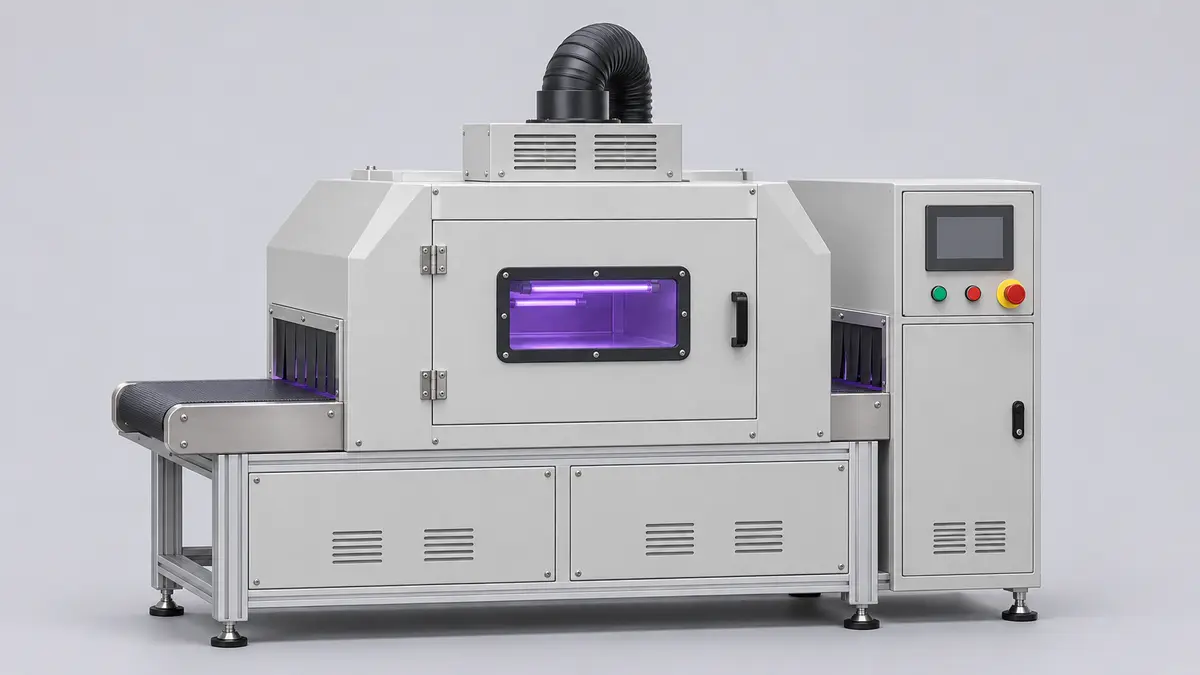
Duty on industrial UV curing systems and parts
Read from the UK Trade Tariff on 17 December 2026, heading 8543 covers electrical apparatus with individual functions not specified elsewhere in the chapter. The supplied facts contain no dedicated industrial UV curing line. Candidate apparatus code 8543 70 90 99 carries 2% duty for goods from China; qualifying other parts under 8543 90 90 00 carry 0%. The table repeats the apparatus code for different designs, subject to classification.
Neither candidate line lists anti-dumping or countervailing duty. The apparatus line has a narrowly described suspension for specified electronic products, with a truncated footnote; do not assume a curing system qualifies. The UK Trade Tariff attaches a torture-goods import prohibition, fluorinated greenhouse-gas import control and torture-goods export restriction. The parts line also flags the export restriction. Ask your customs broker to confirm applicable requirements and declaration treatment for the actual goods from China.
Confirm the commodity code using the curing function, moving assemblies, supplied components and integration with other machinery. Review separately supplied lamps, power supplies and general-purpose components individually. These candidate codes do not establish the classification of every production line. For another product family within the wider heading, see UV LED nail lamps.
| Goods | Commodity code | Duty | Anti-dumping or countervailing duty on China |
|---|---|---|---|
| Industrial UV spot-curing apparatus, provisional classification | 8543 70 90 99 | 2% | None |
| Dedicated UV curing apparatus parts, subject to classification | 8543 90 90 00 | 0% | None |
Specify the resin, exposure and production interface
Specify the adhesive, ink or coating, substrate, applied thickness and required cured result. Agree wavelength compatibility, irradiance at the work surface, exposure dose, working distance and usable curing area. For conveyor systems, define belt speed, loading arrangement and interfaces with the production line. Approve trials using your actual materials and record the settings and acceptance method.
Define the light source, cooling arrangement, enclosure, viewing window, access interlocks, electrical supply and replacement parts. Agree whether the supply is a complete machine or a module for incorporation, and who validates the completed installation. Specify cooling and extraction connections, maintenance access and the method for replacing lamps or light modules.
For systems within machinery rules, the responsible person must affix the relevant conformity marking and provide information necessary for safe operation. For mains equipment within electrical safety rules, check technical documentation, the declaration of conformity, CE or UKCA marking, importer identification and understandable English instructions. Match the documents to the supplied model through testing and certification.
Employers must protect workers' eyes and skin from hazardous artificial optical radiation. Ask a competent assessor to review shielding, access interlocks, loading openings and servicing exposure for the proposed installation. If a refrigerant chiller is included, ask your broker to check refrigerant type and quota applicability. Where quota cover is required, pre-charged equipment cannot be imported into Great Britain without sufficient authorisations or delegations.
Worked duty example
Illustrative example, not a quote: Illustrative small-business batch of enclosed industrial UV curing systems under 8543 70 90 99, invoiced at £12,000 free on board, with £600 of freight and insurance to the UK. The customs value is £12,600. Duty at 2% is £252. Import VAT at 20% is charged on the customs value plus duty, £12,852, so it is £2,570.40. Import taxes total £2,822.40; a VAT-registered importer can usually reclaim the VAT, so the lasting cost is the £252 of duty. The import duty and VAT guide explains each step.
Inspection checklist
Curing result: test the agreed material, thickness and substrate across the working area. Record exposure settings and assess the agreed adhesion, hardness or cure result against the approved sample.
Output and cooling: measure light output at the agreed working distance and positions. Run representative production cycles; check cooling flow, alarms, output stability and conveyor operation against the acceptance plan.
Protective functions: have competent personnel test access interlocks, shielding, emergency stops where fitted and restart behaviour. Assess accessible UV exposure during loading, operation and servicing using the agreed safety assessment.
Arrival and identity: inspect lamps, windows, reflectors, cooling connections and conveyor alignment for transport damage. Match model labels, supplied parts, conformity documents and English instructions using the inspection guide.
Working out your own order? Send us the product on WhatsApp and we reply the same working day: WhatsApp us
What goes wrong
A glowing source or high electrical input does not demonstrate cure. A wavelength mismatch, uneven output, incorrect working distance or unsuitable belt speed can leave material inadequately cured. Cooling problems can cause output drift or shutdowns during sustained production. Require trials with your materials rather than accepting a demonstration on the factory's preferred coating.
A sample enclosure may differ from the production installation once loading slots, extraction ducts or conveyor openings are added. Review the completed arrangement before acceptance. Require approval before substitutions to lamps, drivers, cooling equipment or protective controls, and repeat the affected performance and safety checks.
Cambridge China Bridge sources these products for UK businesses, checking the factory and the documents before shipment. See factory verification. For components and parts, see sourcing for manufacturers.
Frequently asked questions
What is the UK import duty on industrial UV curing systems from China?
Candidate apparatus code 8543 70 90 99 carries 2%; qualifying parts under 8543 90 90 00 carry 0%. Neither lists anti-dumping or countervailing duty. Confirm classification for the supplied system.
Can any industrial UV lamp cure my adhesive?
Do not assume compatibility. Agree the wavelength, exposure and working distance with the material supplier, then test your adhesive, substrate and applied thickness using the proposed system.
What conformity documents should I request?
For mains equipment within electrical safety rules, request technical documentation, the declaration, applicable CE or UKCA marking, importer details and English instructions. Review machinery conformity for conveyor systems.
What should I check before accepting a UV curing conveyor?
Check curing across the belt, speed control, sustained output, cooling and alarms. Have competent personnel assess shielding, access interlocks, emergency stops where fitted and restart behaviour.