Sourcing geological collections from China
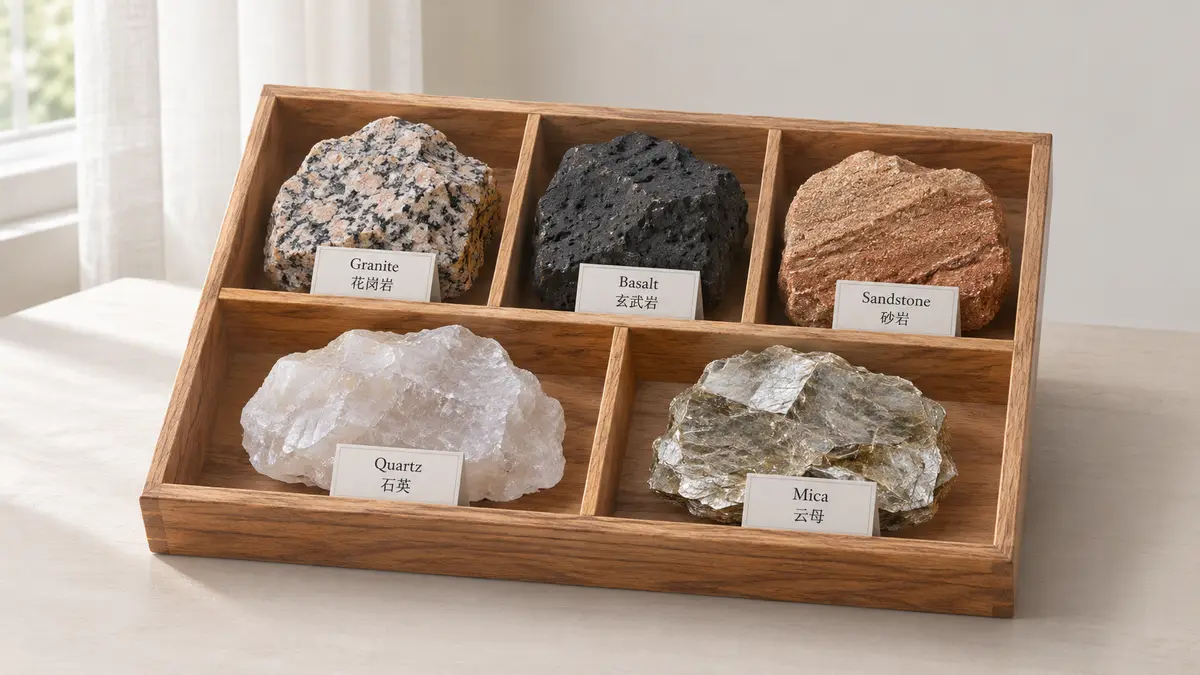
Geological specimen collections qualifying under heading 9705 pay 0% UK duty from China across the relevant lines. Confirm the collector classification and age branch before ordering, and agree specimen identities, locality records and protective packing. Cambridge China Bridge sources geological specimen collections.
Buying from China for a business? How our UK China sourcing agent service works · China sourcing agent for small orders and first imports
Zero duty on qualifying geological collections
Read from the UK Trade Tariff on 29 September 2026, heading 9705 covers collections and collectors’ pieces of mineralogical and palaeontological interest alongside other collector categories. The selected lines carry 0% duty for goods from China, with no anti-dumping or countervailing duty and no suspension recorded. See the wider collectors’ pieces guide.
The selected lines attach seal-product and waste import controls, and also list export measures. Seal products brought into Great Britain for trade require a seal catch certificate. For waste subject to notification controls entering England, the exporter must seek consent from the dispatch country’s competent authority. Ask your customs broker to confirm how the attached controls apply to the actual collection.
Confirm the commodity code using the specimen list, intended use and provenance. Ask which age branch applies rather than selecting it solely from a rock’s geological age. Qualifying collectors’ items receive reduced import VAT valuation, giving an effective 5% rate. Confirm eligibility before budgeting and use the import duty and VAT guide.
| Goods | Commodity code | Duty | Anti-dumping or countervailing duty on China |
|---|---|---|---|
| Mineral collectors’ specimens, more than 200 years old | 9705 29 00 20 | 0% | None |
| Palaeontological collectors’ specimens, more than 200 years old | 9705 29 00 30 | 0% | None |
| Other geological collectors’ pieces, more than 200 years old | 9705 29 00 50 | 0% | None |
| Other geological collections and collectors’ pieces | 9705 29 00 99 | 0% | None |
Specify specimen identity and locality
Agree the mineral or rock names, collection contents, specimen dimensions, matrix, locality and identification method. Separate natural specimens from laboratory-grown crystals, casts and dyed material in the purchase specification. Request photographs of the actual collection and disclose any glued repairs, coatings or reconstructed fossils.
Agree a specimen identifier that matches the tray position, label and packing list. Specify whether labels record the collection locality or merely the supplier’s dispatch location. For consumer sets covered by Great Britain’s general product safety rules, products must be safe in normal or reasonably foreseeable use. Review handling risks before approving the assortment.
Worked duty example
Illustrative example, not a quote: Illustrative order: 20 labelled geological specimen collections under 9705 29 00 99, invoiced at £2,000 free on board, with £1,000 of freight and insurance to the UK. The customs value is £3,000. Duty at 0% is £0. Import VAT at 20% is charged on the customs value plus duty, £3,000, so it is £600. With no duty, the only import tax is the VAT, which a VAT-registered importer can usually reclaim. The import duty and VAT guide explains each step.
Inspection checklist
Identity: compare specimens with the approved list and photographs; investigate substitutions, dyed surfaces and mismatched locality labels.
Condition: check crystal tips, cleavage faces and fossil detail for chips, loose fragments, concealed glue and detached matrix.
Records: match each specimen identifier to its label, locality record and packing list; record uncertain identifications.
Packing: check separate compartments and cushioning keep specimens from striking each other; photograph the collection on arrival. See quality inspection explained.
Working out your own order? Send us the product on WhatsApp and we reply the same working day: WhatsApp us
What goes wrong
Collections disappoint when attractive specimens replace the agreed teaching assortment, locality claims lack supporting records, or repairs and artificial colouring are undisclosed. Loose packing breaks crystal points and mixes fragments between compartments. Agree acceptable variation and photograph specimens before dispatch.
A supplier’s description of a box as a collection does not settle its commodity code or VAT treatment. Send the actual contents and provenance to your broker before shipment, particularly where the assortment includes fossils or unidentified material.
Cambridge China Bridge sources these products for UK businesses, checking the factory and the documents before shipment. See factory verification. For own-brand ranges, see sourcing for brands.
Frequently asked questions
What is the UK import duty on geological specimen collections from China?
The relevant heading 9705 lines carry 0% duty from China in the supplied tariff reading, with no anti-dumping or countervailing duty recorded. Confirm the code for the actual collection.
Do geological specimen collections qualify for reduced import VAT?
Confirm that the collection qualifies before relying on that treatment.
What should specimen labels include?
Agree the specimen name, identifier and locality, with each label matched to the packing list. Ask the supplier to distinguish a documented collection locality from its dispatch address.
How should mineral collections be packed?
Use separate compartments and cushioning suited to each specimen. Protect projecting crystals, stop heavy pieces moving, and keep labels attached to the correct specimens.