Sourcing fossil specimen collections from China
Fossil specimen collections qualifying under heading 9705 carry 0% UK duty from China across the relevant lines. Before ordering, establish each specimen’s identity and provenance, check China’s export licensing requirements and resolve any applicable import controls. Cambridge China Bridge sources fossil specimen collections.
Buying from China for a business? How our UK China sourcing agent service works · China sourcing agent for small orders and first imports
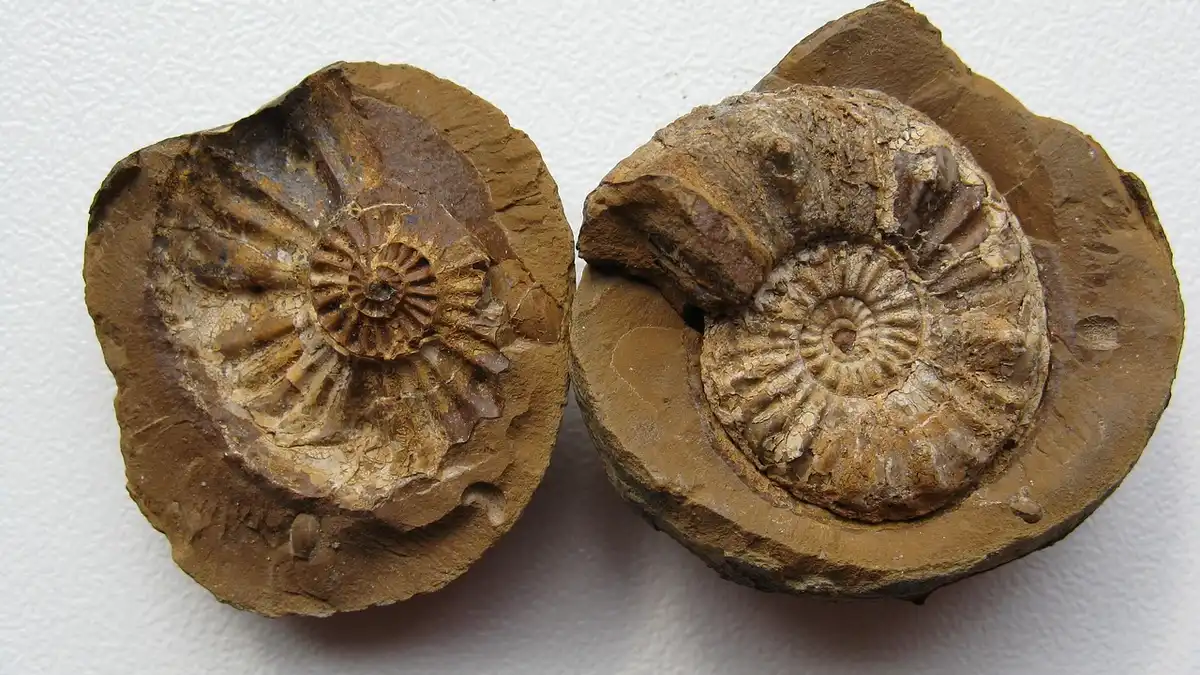
Fossil collections: duty and classification
Read from the UK Trade Tariff on 29 September 2026, heading 9705 covers collections and collectors’ pieces, including those of palaeontological interest. The selected lines all carry 0% duty for goods from China, with no anti-dumping or countervailing duty and no suspensions recorded. The table gives classification candidates for fossil collections; it does not establish the correct code for a particular specimen.
The tariff attaches seal-product and waste import controls to these lines, with CITES on the extinct or endangered species lines. The animal-origin line also carries veterinary and ivory-related import controls. Ask your customs broker to confirm the requirements for the actual fossils from China, particularly whether veterinary documents are required for mineralised specimens. A tariff control label alone does not establish that every fossil needs that document.
Confirm the commodity code using specimen identity, material, age evidence and collection description. The tariff also records cultural-object export licensing, export restrictions and waste export controls, with additional ivory and CITES export entries on the extinct or endangered species lines. Check those entries with your broker before any onward export. For the broader product family, see geological specimen collections.
| Goods | Commodity code | Duty | Anti-dumping or countervailing duty on China |
|---|---|---|---|
| Palaeontological collectors’ specimens, more than 200 years old | 9705 29 00 30 | 0% | None |
| Botanical collectors’ specimens, more than 200 years old | 9705 29 00 18 | 0% | None |
| Extinct or endangered species, over 200 years old, collectors’ items of animal origin | 9705 22 00 12 | 0% | None |
| Extinct or endangered species, more than 200 years old, other collectors’ specimens | 9705 22 00 14 | 0% | None |
Specify identity, provenance and preparation
Agree the specimen list, identification confidence, discovery locality, geological formation where known, dimensions, matrix and condition. State whether each piece is natural, repaired, reconstructed or a replica. Require photographs of the actual specimens and disclosure of filler, adhesive, paint, stabiliser and any assembled fragments. Agree specimen labels, compartment layout and individual supports with the preparation workshop.
For objects of cultural interest imported into Great Britain from China, the UK guidance requires compliance with the exporting country’s export licensing regime. Obtain the relevant export documents or written confirmation from the licensing authority before paying. A supplier’s invoice is useful for matching the order but should not replace this check.
Where CITES applies, arrange the relevant documentation before shipment and ask your broker to confirm the fossil-specific requirements. Seal products can only be imported and sold in limited cases under strict conditions; confirm applicability rather than assuming a fossil exemption. If a consignment is waste subject to notification controls and enters England, shipment can start only after consent from the Environment Agency and the other competent authorities.
For collections sold as consumer products, demonstrate compliance with product safety regulations before sale. Assess sharp fragments, loose pieces, unstable mounts and any preparation residues as part of your buying specification. Use quality inspection to check the agreed condition and packing.
Worked duty example
Illustrative example, not a quote: Illustrative order: 200 labelled fossil specimen collections; FOB and freight values are illustrative under 9705 29 00 30, invoiced at £6,000 free on board, with £1,000 of freight and insurance to the UK. The customs value is £7,000. Duty at 0% is £0. Import VAT at 20% is charged on the customs value plus duty, £7,000, so it is £1,400. With no duty, the only import tax is the VAT, which a VAT-registered importer can usually reclaim. The import duty and VAT guide explains each step.
Inspection checklist
Identity: match each specimen, label and compartment to the approved list and photographs; flag uncertain identification and substitutions.
Preparation: examine under magnification for painted detail, filler, glued joins and reconstructed areas; compare them with the supplier’s disclosures.
Condition: check cracks, flaking matrix, loose fragments, unstable mounts and residue; photograph differences before unpacking the remaining stock.
Packing and records: check individual supports prevent movement and abrasion, labels remain with their specimens, and provenance records match the delivered pieces.
Working out your own order? Send us the product on WhatsApp and we reply the same working day: WhatsApp us
What goes wrong
Collections can arrive with plausible labels that do not match the specimens, undisclosed reconstruction, or fragments assembled into an apparent complete fossil. Approve actual-item photographs and agree how uncertain identifications and repaired areas will be described before shipment.
Heavy matrix can crush delicate projections when pieces share a compartment, while detached labels destroy the link to provenance. Specify separate supports and photograph packing. Hold an order when export documentation or the broker’s control assessment remains unresolved.
Cambridge China Bridge sources these products for UK businesses, checking the factory and the documents before shipment. See factory verification. For own-brand ranges, see sourcing for brands.
Frequently asked questions
What is the UK import duty on fossil collections from China?
The relevant heading 9705 lines carry 0% duty from China in the tariff facts read on 29 September 2026, with no anti-dumping or countervailing duty recorded.
Do fossil specimens need CITES documents?
The tariff attaches CITES controls to the extinct or endangered species lines. Have your broker confirm applicability to the identified specimen and arrange the relevant documents before shipping.
Can I use the same commodity code for every fossil set?
Do not assume this. Give your broker the specimen list, identity, material, age evidence and photographs so the selected code reflects the actual collection.
What should I ask the fossil supplier for?
Actual-item photographs, specimen identifications, discovery locality, provenance records, repair disclosures, export documentation and a packing plan that keeps each label with its specimen.