Sourcing fresh root vegetables from China
Fresh or chilled root vegetables from China carry UK duty of 10% to 12%, with no trade remedies or suspensions shown. Fresh produce must meet marketing quality and labelling requirements; confirm plant health clearance before shipment. Cambridge China Bridge sources fresh root vegetables.
Buying from China for a business? How our UK China sourcing agent service works · China sourcing agent for small orders and first imports
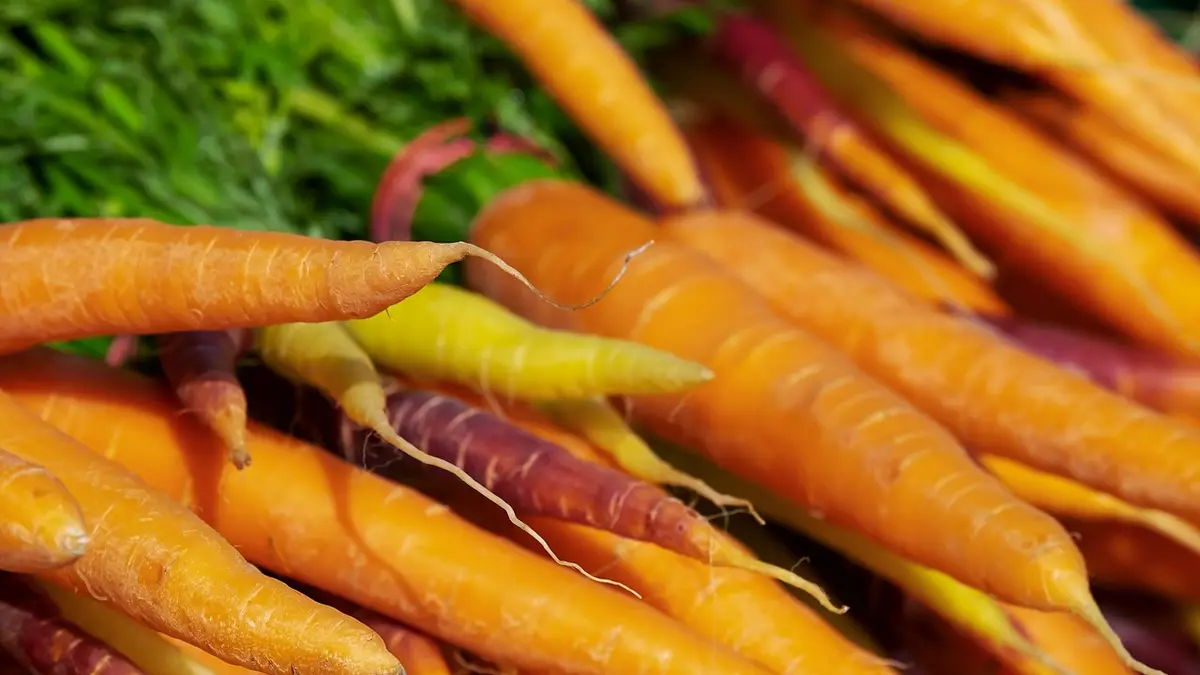
Duty depends on the root
Read from the UK Trade Tariff on 17 November 2026, heading 0706 covers carrots, turnips, salad beetroot, salsify, celeriac, radishes and similar edible roots, fresh or chilled. Celeriac carries 10% duty from China; the other listed lines carry 12%. The supplied tariff record shows no anti-dumping or countervailing duty and no suspensions.
Every listed line carries an organic import control. For organic produce from China into Great Britain, obtain a certificate of inspection for each consignment and check the exporter's control body and export country against the non-UK organic registers. The exporter’s control body issues the certificate. Ask your customs broker to confirm the organic release documents before dispatch.
Confirm the species and whether the roots are fresh or chilled using our commodity code guide. Separately ask your broker to confirm the product's plant health risk category and clearance route. For high or medium risk A or B plants and plant products, the exporter must obtain a phytosanitary certificate for each consignment.
| Goods | Commodity code | Duty | Anti-dumping or countervailing duty on China |
|---|---|---|---|
| Fresh or chilled carrots | 0706 10 00 10 | 12% | None |
| Fresh or chilled turnips | 0706 10 00 90 | 12% | None |
| Fresh or chilled celeriac | 0706 90 10 00 | 10% | None |
| Fresh or chilled horseradish | 0706 90 30 00 | 12% | None |
| Other fresh edible roots, including beetroot, radishes and salsify | 0706 90 90 00 | 12% | None |
Specify washed roots and arrival condition
Write down the species, variety, intended use, root size range, trimming, washing and pack format. Agree limits for splits, bruising, misshapen roots, woody centres, sprouting and decay. Distinguish turnips from radishes and celeriac from stalk celery in the purchase specification.
Agree pre-cooling, transport temperature, ventilation and remaining shelf life at delivery with the packhouse. Ask for packing records and photographs of opened packs. Fresh fruit and vegetables must meet marketing quality and labelling requirements throughout production and marketing.
Worked duty example
Illustrative example, not a quote: Illustrative order: 10,000 kg of fresh carrots in wholesale packs under 0706 10 00 10, invoiced at £18,000 free on board, with £4,500 of freight and insurance to the UK. The customs value is £22,500. Duty at 12% is £2,700. Import VAT at 20% is charged on the customs value plus duty, £25,200, so it is £5,040. Import taxes total £7,740; a VAT-registered importer can usually reclaim the VAT, so the lasting cost is the £2,700 of duty. The import duty and VAT guide explains each step. This assumes the goods are standard-rated for VAT. Most food for human consumption is zero-rated, and animal feed can be too, in which case no import VAT is due, so check the rate for your product in HMRC's VAT Notice 701/14.
Inspection checklist
Roots: cut sampled roots to check internal discolouration, woody centres and hidden decay; compare size, firmness and trimming with the agreed specification.
Cleanliness: check for soil, grit, stones, insects and wash damage, including around celeriac crevices and radish tops.
Packs and records: check net weights, crushed cartons, wet liners and lot identification; match laboratory reports and any organic certificate to the shipment.
Arrival: review temperature records and inspect roots from different positions in the load for softening, sprouting and mould. Use our quality inspection guide to organise the checks.
Working out your own order? Send us the product on WhatsApp and we reply the same working day: WhatsApp us
What goes wrong
An acceptable outer appearance can hide woody centres or internal decay. Rough washing damages skins, while wet packing and poor ventilation encourage deterioration. Mixed sizes make kitchen preparation uneven, and bruised or split roots leave less usable product than the pack weight suggests.
A supplier's organic description does not replace the import certificate. Resolve certificate details and plant health clearance before loading, then compare arrival condition with the agreed specification before accepting the shipment.
Cambridge China Bridge sources these products for UK businesses, checking the factory and the documents before shipment. See factory verification. For repeat volumes, see container programmes.
Frequently asked questions
What is the UK import duty on fresh root vegetables from China?
Celeriac carries 10%; carrots, turnips, horseradish and the other listed edible roots carry 12%. The supplied tariff record shows no trade remedies or suspensions.
Do organic carrots from China need an import certificate?
Yes, organic consignments entering Great Britain need a certificate of inspection. Check the exporter's control body and export country against the non-UK organic registers.
Do Chinese root vegetables need a phytosanitary certificate?
Confirm the exact product's risk category with your broker before shipment. High and medium risk A or B plants and plant products need a phytosanitary certificate for each consignment.
What should I check when fresh carrots arrive?
Check firmness, splits, bruising, decay, size consistency and pack weight. Cut samples for woody centres and internal defects, and review the transport temperature record.