Sourcing fresh edamame from China
Fresh edamame from China has a likely UK duty of 10% under the other-leguminous-vegetables line; heading 0708 ranges from 8% to 10%. Confirm plant-health requirements for pods or shelled beans before shipment, and identify soya clearly on food labels. Cambridge China Bridge sources fresh edamame.
Buying from China for a business? How our UK China sourcing agent service works · China sourcing agent for small orders and first imports
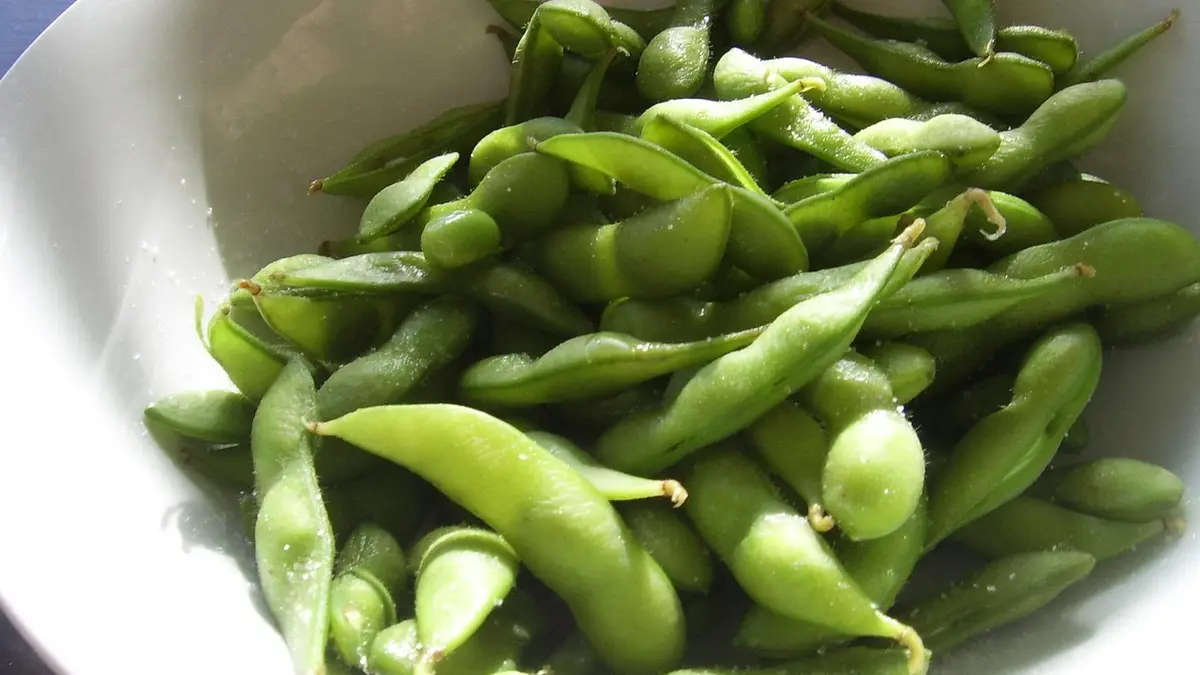
Fresh edamame: confirm the 10% line
Read from the UK Trade Tariff on 29 September 2026, heading 0708 covers fresh or chilled leguminous vegetables, shelled or unshelled. The likely line for fresh edamame is 0708 90 00 90, other leguminous vegetables, carrying 10% duty from China. The table shows product forms sharing that line, rather than separate tariff subdivisions.
Across the heading, duty ranges from 8% for peas to 10% for the other listed vegetables. The supplied snapshot records no anti-dumping or countervailing duty and no suspension. It attaches an organic-products import control to the likely edamame line. Organic consignments need a certificate of inspection; confirm the Great Britain certificate arrangements with your customs broker and organic control body.
Give your broker the species, whether the beans remain in their pods, and confirmation that they are fresh or chilled. Confirm the commodity code before ordering. For the frozen alternative, see frozen edamame.
| Goods | Commodity code | Duty | Anti-dumping or countervailing duty on China |
|---|---|---|---|
| Fresh edamame in pods | 0708 90 00 90 | 10% | None |
Specify pods, maturity and chilled handling
Specify fresh immature soya beans, with or without pods, and record the variety and growing location. Agree pod fill, bean size, colour, tenderness and acceptable amounts of yellowing, insect damage and broken pods. For shelled beans, agree limits for split beans, skins and pod fragments.
Agree pre-cooling, packing ventilation, the chilled transport conditions and the remaining saleable life required on arrival. Ask for harvest and packing records, a temperature record and a residue report linked to the shipped lot. Assess a cooked sample for tenderness and flavour against the approved sample.
Ask APHA to confirm the plant-health category for the exact form supplied from China. Medium-risk B goods require a phytosanitary certificate but do not require plant-health pre-notification. For food labels, identify the soya origin clearly: official guidance accepts the terms ‘soya’ or ‘soy’. Have the label checked before printing.
Worked duty example
Illustrative example, not a quote: Illustrative small wholesale batch of chilled edamame in pods under 0708 90 00 90, invoiced at £2,500 free on board, with £3,500 of freight and insurance to the UK. The customs value is £6,000. Duty at 10% is £600. Import VAT at 20% is charged on the customs value plus duty, £6,600, so it is £1,320. Import taxes total £1,920; a VAT-registered importer can usually reclaim the VAT, so the lasting cost is the £600 of duty. The import duty and VAT guide explains each step. This assumes the goods are standard-rated for VAT. Most food for human consumption is zero-rated, and animal feed can be too, in which case no import VAT is due, so check the rate for your product in HMRC's VAT Notice 701/14.
Inspection checklist
Condition: check pods and beans for yellowing, shrivelling, mould, soft spots and insect damage against the agreed specification.
Temperature: measure the product temperature on arrival and compare it with the agreed chilled conditions and transport record.
Weight and contents: check pack weights, pod fill or shelled-bean size, and look for soil, stones, stems and packaging fragments.
Identity and documents: match carton lot codes to harvest, packing and test records; check soya identification and any applicable phytosanitary or organic certificate. Use a written inspection brief.
Working out your own order? Send us the product on WhatsApp and we reply the same working day: WhatsApp us
What goes wrong
A green pod can hide underfilled or overmature beans. Check inside the pods and cook a sample rather than judging colour alone. Delayed cooling, warm handling and excessive moisture can leave stock yellow, soft or mouldy by arrival.
A supplier may offer blanched frozen edamame when the buyer expects fresh produce. Put the product state in the order and shipping documents. Resolve the plant-health documents before dispatch, and keep the arrival inspection linked to the shipped lot.
Cambridge China Bridge sources these products for UK businesses, checking the factory and the documents before shipment. See factory verification. For repeat volumes, see container programmes.
Frequently asked questions
What is the UK import duty on fresh edamame from China?
The likely line, 0708 90 00 90, carries 10% duty. Heading 0708 ranges from 8% to 10%. The supplied tariff snapshot records no trade remedy or suspension; confirm the exact classification.
Does fresh edamame need a phytosanitary certificate?
Ask APHA to confirm the category for pods or shelled beans from China. Medium-risk B goods require a phytosanitary certificate but no plant-health pre-notification.
Can I import organic fresh edamame from China?
Organic consignments need a certificate of inspection. Confirm the Great Britain certificate arrangements and eligibility with your organic control body and customs broker before dispatch.
How should I identify the allergen on edamame labels?
Identify the soya origin clearly. Official guidance accepts ‘soya’ or ‘soy’. Ask your label reviewer to check the wording for the exact pack and sales format.
Sources
- UK Trade Tariff — commodity codes and duty
- Importing organic food, feed and seed to the UK
- Hull and Goole Port Health: imported food control
- Plant health risk categorisations
- Allergen labelling for food manufacturers
- Food allergen labelling and information requirements technical guidance
- HMRC — Food products (VAT Notice 701/14)