Sourcing fresh celtuce from China
Fresh celtuce has a candidate UK duty rate of 10% under other lettuce; all supplied heading lines carry the same rate. Confirm its classification and import documents before dispatch. Fresh produce must meet applicable quality and labelling requirements. Cambridge China Bridge sources fresh celtuce.
Buying from China for a business? How our UK China sourcing agent service works · China sourcing agent for small orders and first imports
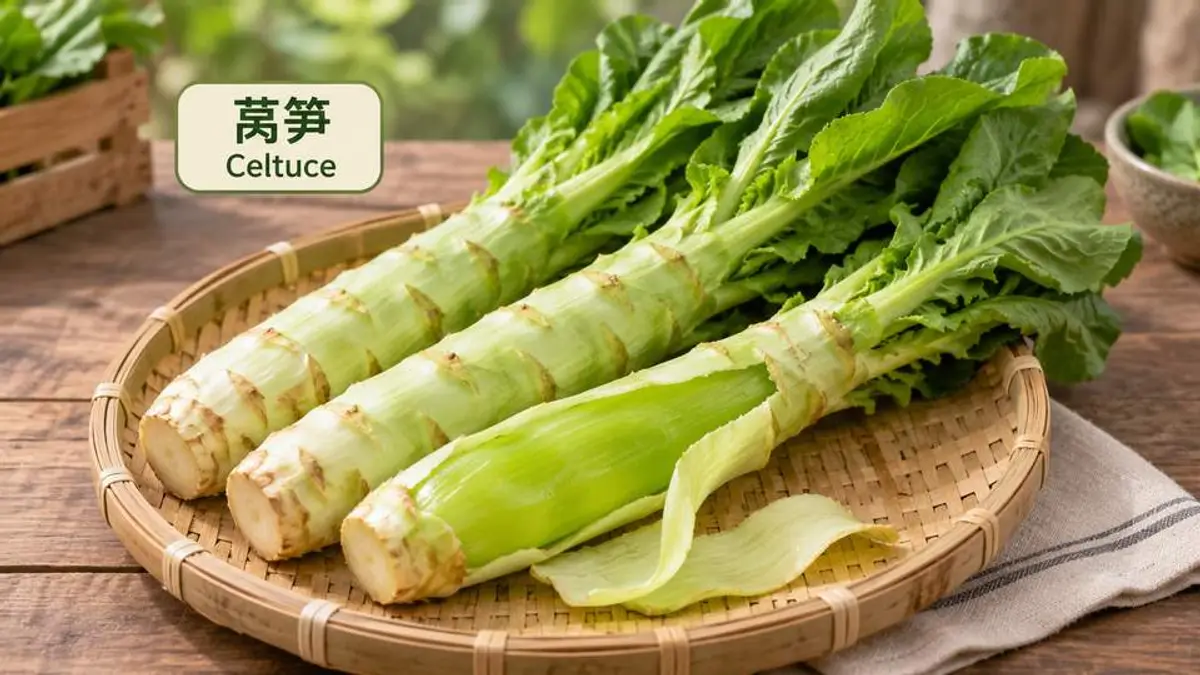
Fresh celtuce: candidate duty of 10%
Read from the UK Trade Tariff on 29 September 2026, heading 0705 covers fresh or chilled lettuce and chicory. For fresh celtuce, ask your broker to confirm the other-lettuce line, 0705 19 00 00, carrying 10% duty for goods from China. The supplied snapshot shows no anti-dumping or countervailing duty and no suspension.
The tariff attaches HMI conformity certification, a Certificate of Conformity and organic import controls to that candidate line. Confirm the celtuce-specific conformity requirements with your customs broker before dispatch. Importers must also check whether phytosanitary certification is required. Organic food from China needs a valid Certificate of Inspection; the exporter’s control body issues it.
Send the broker photographs, the botanical identity and details of trimming, peeling and presentation to confirm the commodity code. The comparison rows distinguish the neighbouring lettuce and chicory lines; they are not alternative descriptions of celtuce. See the wider lettuce and chicory guide.
| Goods | Commodity code | Duty | Anti-dumping or countervailing duty on China |
|---|---|---|---|
| Other lettuce, the candidate line for fresh celtuce | 0705 19 00 00 | 10% | None |
| Head lettuce, for classification comparison | 0705 11 00 00 | 10% | None |
| Witloof chicory, for classification comparison | 0705 21 00 00 | 10% | None |
| Other chicory, for classification comparison | 0705 29 00 00 | 10% | None |
Specify the edible stem and trimming
Describe the product as fresh celtuce or stem lettuce, with photographs of the whole plant and a cut stem. Agree whether leaves remain attached, whether the outer skin remains, the stem length and diameter range, and the permitted woody base. Approve a peeled sample for tenderness and usable yield.
Agree harvest and packing records, pre-cooling, chilled transport, ventilation and arrival acceptance conditions with the packing supplier. Fresh produce must meet applicable quality and labelling requirements. Confirm the applicable pesticide residue limits with the relevant food authority; request a batch-linked laboratory report, following the approach in the site's vegetable guides.
Worked duty example
Illustrative example, not a quote: Illustrative order: 5 tonnes of fresh celtuce stems under 0705 19 00 00, invoiced at £4,500 free on board, with £3,500 of freight and insurance to the UK. The customs value is £8,000. Duty at 10% is £800. Import VAT at 20% is charged on the customs value plus duty, £8,800, so it is £1,760. Import taxes total £2,560; a VAT-registered importer can usually reclaim the VAT, so the lasting cost is the £800 of duty. The import duty and VAT guide explains each step. This assumes the goods are standard-rated for VAT. Most food for human consumption is zero-rated, and animal feed can be too, in which case no import VAT is due, so check the rate for your product in HMRC's VAT Notice 701/14.
Inspection checklist
Stem quality: peel and cut samples from different cartons; check fibrous cores, hollow centres, splits and the amount trimmed away.
Condition: check firmness, shrivelling, browned cut ends, slime, decay and foreign smells; photograph defects before unloading mixes the lots.
Packing and weight: check net weight, crushed stems, pooled moisture and carton strength against the purchase specification.
Records: match carton lot marks to harvest, packing and residue reports, and review transport temperature records against the agreed conditions. Plan the arrival inspection before dispatch.
Working out your own order? Send us the product on WhatsApp and we reply the same working day: WhatsApp us
What goes wrong
A large stem can look acceptable while its centre is fibrous or hollow. Buying only by outside diameter can leave the buyer paying for material that must be discarded. Agree tenderness and usable yield alongside appearance, and retain photographs of the approved cut sample.
Leaf-heavy cartons and long woody bases reduce usable stem weight. Poor ventilation, crushing and wet packing can leave softened stems or decay hidden beneath the top layer. Unresolved certificate requirements can also disrupt the delivery plan, so settle the broker's document checklist before committing to shipment.
Cambridge China Bridge sources these products for UK businesses, checking the factory and the documents before shipment. See factory verification. For repeat volumes, see container programmes.
Frequently asked questions
What is the UK import duty on fresh celtuce from China?
The supplied tariff snapshot gives 10% for other lettuce under 0705 19 00 00, with no trade remedy or suspension. Have your broker confirm that code for the exact celtuce presentation.
Does fresh celtuce need a phytosanitary certificate?
Importers must check whether phytosanitary certification is required. Ask your customs broker to confirm the requirement for fresh celtuce from China before dispatch.
Can I import organic celtuce from China?
Organic food imports from China need a valid Certificate of Inspection, issued by the exporter’s control body. Confirm the full organic import arrangements before ordering.
How do I check celtuce quality before accepting delivery?
Peel and cut stems from different cartons. Check tenderness, hollow or woody centres, browned ends, decay and usable yield, then compare weights and transport records with the agreed specification.