Sourcing fresh romaine lettuce from China
Fresh romaine lettuce from China carries 10% UK duty, with no trade remedy or suspension shown in the supplied tariff snapshot. Direct imports into Great Britain need a marketing-standard conformity certificate. Cambridge China Bridge sources fresh romaine lettuce.
Buying from China for a business? How our UK China sourcing agent service works · China sourcing agent for small orders and first imports
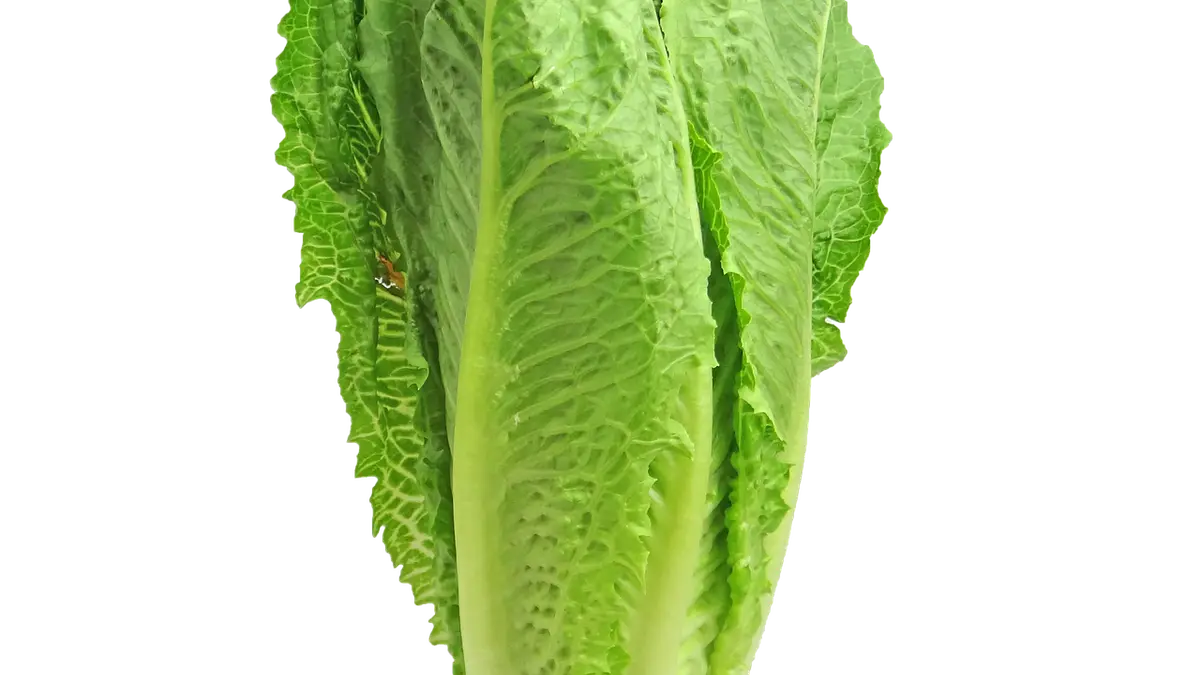
UK duty on fresh romaine lettuce
Read from the UK Trade Tariff on 29 September 2026, heading 0705 covers fresh or chilled lettuce and chicory. The other-lettuce line, 0705 19 00 00, is the starting point for romaine, also called cos lettuce. Its duty for goods from China is 10%, with no anti-dumping or countervailing duty and no suspension shown.
The tariff attaches HMI conformity, Certificate of Conformity and organic import controls to this lettuce line. Lettuce is covered by specific marketing standards, and direct imports into Great Britain require a conformity certificate. Organic consignments from China need a Great Britain certificate of inspection. Ask your broker to confirm the applicable plant-health requirements separately.
Only the relevant other-lettuce line is shown here. Confirm the exact presentation and commodity code before ordering. The lettuce and chicory guide covers the wider heading. This guide addresses direct imports into Great Britain.
| Goods | Commodity code | Duty | Anti-dumping or countervailing duty on China |
|---|---|---|---|
| Other fresh or chilled lettuce, including romaine | 0705 19 00 00 | 10% | None |
Specify the romaine head and usable yield
Specify the variety, whole heads or trimmed hearts, leaf colour, head length, weight range and trimming method. Agree how much outer leaf and stem the buyer will accept, and assess usable yield after trimming. Keep loose leaves, rooted plants and salad mixtures outside a whole-head specification.
Agree pre-cooling, chilled transport, temperature recording, carton ventilation and remaining usable life at delivery. Ask the grower and packer for harvest, packing and lot records. Request lot-specific pesticide residue testing against GB maximum residue levels, and agree nitrate and microbiological testing with the laboratory.
For organic orders, the importing business must be UK-based and certified by an approved UK organic control body. Check that the exporter's control body and country are on the non-UK organic registers, and arrange the consignment certificate before dispatch.
Worked duty example
Illustrative example, not a quote: Illustrative airfreight order: 5 tonnes of fresh romaine lettuce under 0705 19 00 00, invoiced at £18,000 free on board, with £18,000 of freight and insurance to the UK. The customs value is £36,000. Duty at 10% is £3,600. Import VAT at 20% is charged on the customs value plus duty, £39,600, so it is £7,920. Import taxes total £11,520; a VAT-registered importer can usually reclaim the VAT, so the lasting cost is the £3,600 of duty. The import duty and VAT guide explains each step. This assumes the goods are standard-rated for VAT. Most food for human consumption is zero-rated, and animal feed can be too, in which case no import VAT is due, so check the rate for your product in HMRC's VAT Notice 701/14.
Inspection checklist
Condition: open cartons from different pallet positions and check crispness, wilting, yellow outer leaves, tipburn, bruised ribs, slime and decay. Split sample heads to inspect the heart.
Yield and packing: weigh heads after the agreed trim, compare size consistency and count, and check for crushed hearts, excessive stem, soil, insects and packaging fragments.
Cold chain: compare arrival temperatures and logger records with the agreed specification. Check for condensation, wet cartons and freezing injury during inspection.
Documents and labels: match carton lots to harvest records and laboratory reports. Check quality class and country-of-origin labelling, conformity paperwork and, for organic goods, the certificate of inspection.
Working out your own order? Send us the product on WhatsApp and we reply the same working day: WhatsApp us
What goes wrong
A leafy outer layer can hide brown ribs, internal decay or a poorly developed heart. Heavy trimming may leave little saleable product even when the delivered weight matches the order. Write acceptance criteria around the usable head, and photograph cut samples before loading and on arrival.
Warm handling causes wilting; trapped moisture encourages deterioration; tight packing bruises ribs and hearts. A visually acceptable sample also does not establish residue or nitrate compliance. GB contaminant controls apply to nitrate in imported lettuce, so match testing to the shipped lot.
Cambridge China Bridge sources these products for UK businesses, checking the factory and the documents before shipment. See factory verification. For repeat volumes, see container programmes.
Frequently asked questions
What is the UK import duty on romaine lettuce from China?
The supplied tariff snapshot shows 10% for 0705 19 00 00, with no anti-dumping or countervailing duty and no suspension.
Does Chinese romaine lettuce need a conformity certificate?
Direct imports into Great Britain require a marketing-standard conformity certificate. Confirm the application and inspection arrangements with your broker before dispatch.
Can I import romaine lettuce as organic?
Your UK-based business needs approved organic certification. Check the exporter and country registers, and obtain a Great Britain certificate of inspection for each consignment.
What should I inspect when romaine lettuce arrives?
Check crispness, internal decay, rib bruising, usable trimmed weight, carton condition and temperature records. Match the delivered lots to residue reports and agreed nitrate testing.