Sourcing fresh plums from China
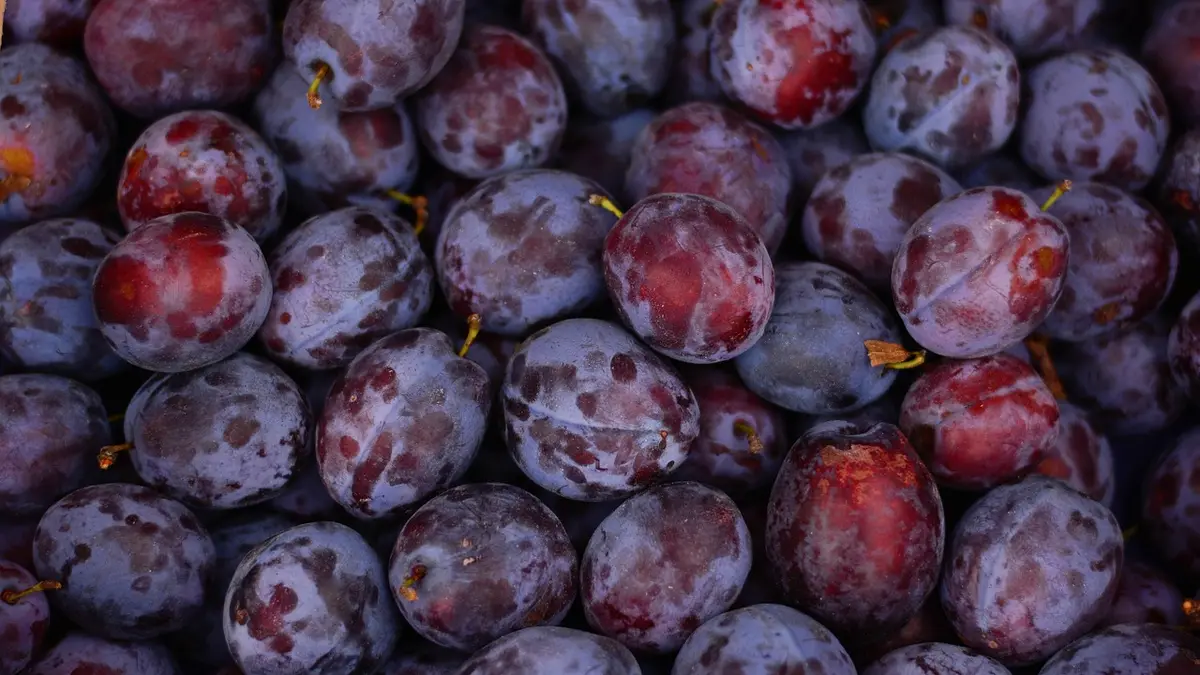
Fresh plums from China carry 12% UK duty, with no rate variation across the plum line and no listed trade remedy or suspension. Fresh produce must meet quality and labelling requirements. Confirm plant-health paperwork before shipment and check ripeness on arrival. Cambridge China Bridge sources fresh plums.
Buying from China for a business? How our UK China sourcing agent service works · China sourcing agent for small orders and first imports
Fresh-plum duty and import controls
Read from the UK Trade Tariff on 29 September 2026, fresh plums under 0809 40 05 00 carried 12% duty for goods from China. The supplied tariff record lists no anti-dumping or countervailing duty and no suspension for this line. Heading 0809 covers fresh stone fruit; see the wider stone-fruit guide.
The tariff attaches an organic import control. Ask your customs broker or the relevant organic control body to confirm whether an inspection certificate is needed for each consignment; the exporter’s control body issues the certificate. Check the paperwork before shipment. Ask your customs broker to confirm how this control applies to the declaration.
The packing formats in the table repeat the same fresh-plum tariff line, rather than separate commodity codes. Give your broker the product description and packing details, and confirm the commodity code. This guide concerns fresh fruit, so describe any drying, freezing or preparation separately.
| Goods | Commodity code | Duty | Anti-dumping or countervailing duty on China |
|---|---|---|---|
| Fresh plums in bulk cartons | 0809 40 05 00 | 12% | None |
Specify plum ripeness and protection
Specify variety, skin and flesh colour, size range, firmness, sweetness, acceptable skin marks and the condition expected at delivery. Agree how firmness and sweetness will be measured. Distinguish fruit intended to ripen after arrival from fruit ready for immediate sale. Identify the orchard, packing house and harvest lot, and agree carton ventilation, protective inserts and pallet stacking.
Fresh fruit must meet quality and labelling requirements throughout production and marketing. Before ordering, ask APHA and your broker to confirm the plant-health risk category and documents for Chinese plums on your route. Medium B risk fruit requires a phytosanitary certificate; do not assume that classification applies to your shipment without confirmation.
Agree cooling before loading, transport conditions and a temperature record through delivery. Request pesticide-residue testing on a sample drawn from the shipment lot, rather than a supplier’s unrelated sample. Put the arrival sampling method and rejection criteria in the purchase specification.
Worked duty example
Illustrative example, not a quote: 10 tonnes of fresh plums in cartons; order quantity and monetary values are illustrative under 0809 40 05 00, invoiced at £26,000 free on board, with £3,800 of freight and insurance to the UK. The customs value is £29,800. Duty at 12% is £3,576. Import VAT at 20% is charged on the customs value plus duty, £33,376, so it is £6,675.20. Import taxes total £10,251.20; a VAT-registered importer can usually reclaim the VAT, so the lasting cost is the £3,576 of duty. The import duty and VAT guide explains each step. This assumes the goods are standard-rated for VAT. Most food for human consumption is zero-rated, and animal feed can be too, in which case no import VAT is due, so check the rate for your product in HMRC's VAT Notice 701/14.
Inspection checklist
Fruit: compare variety, size, colour and firmness with the specification. Cut sample fruit to check flesh browning, breakdown around the stone and insect damage.
Condition: record split skins, bruises, mould, shrivelling and leaking juice. Sample across pallets and carton positions, rather than inspecting only the visible top layer.
Cold chain: compare fruit temperatures and transport records with the agreed conditions. Check wet cartons, condensation, crushed trays and blocked ventilation.
Packs and records: check net contents, origin wording, packer details and lot identification against the shipment documents. Match residue reports and any organic inspection certificate to the consignment. Use the quality inspection guide to brief the inspector.
Working out your own order? Send us the product on WhatsApp and we reply the same working day: WhatsApp us
What goes wrong
Plums can look acceptable outside while the flesh has softened or browned. Uneven maturity leaves some cartons hard and others leaking. Tight packing causes pressure bruises, while split skins and warm handling allow decay to spread. A loading photograph cannot show the fruit’s condition at delivery.
Inspect the shipment lot before dispatch and sample again on arrival. Photograph defects with the carton and lot details, retain temperature records and separate affected stock while assessing it. Agree who assesses disputed fruit and how the findings affect acceptance before placing the order.
Cambridge China Bridge sources these products for UK businesses, checking the factory and the documents before shipment. See factory verification. For repeat volumes, see container programmes.
Frequently asked questions
What is the UK import duty on fresh plums from China?
The supplied tariff record gives 12% for 0809 40 05 00, with no listed anti-dumping or countervailing duty and no suspension.
Do Chinese plums need a phytosanitary certificate?
Confirm the shipment’s plant-health risk category with APHA and your broker before dispatch. Official guidance requires a phytosanitary certificate for medium B risk fruit.
What paperwork do organic plums need?
Ask your customs broker or the relevant organic control body to confirm whether an inspection certificate is needed for each consignment sold as organic. The exporter’s control body issues it. Match the certificate to the shipment before dispatch.
What should I check when fresh plums arrive?
Check firmness, split skins, bruising, mould and leaking juice. Cut sample fruit for internal browning and damage around the stone, then compare temperatures and packing with the agreed specification.