Sourcing fresh peaches from China
Fresh peaches from China have a 16% listed UK duty, with an autonomous suspension to 0%, giving a 0% to 16% range depending on suspension eligibility. Direct imports into Great Britain need conformity certification under fresh-produce marketing standards. Cambridge China Bridge sources fresh peaches.
Buying from China for a business? How our UK China sourcing agent service works · China sourcing agent for small orders and first imports
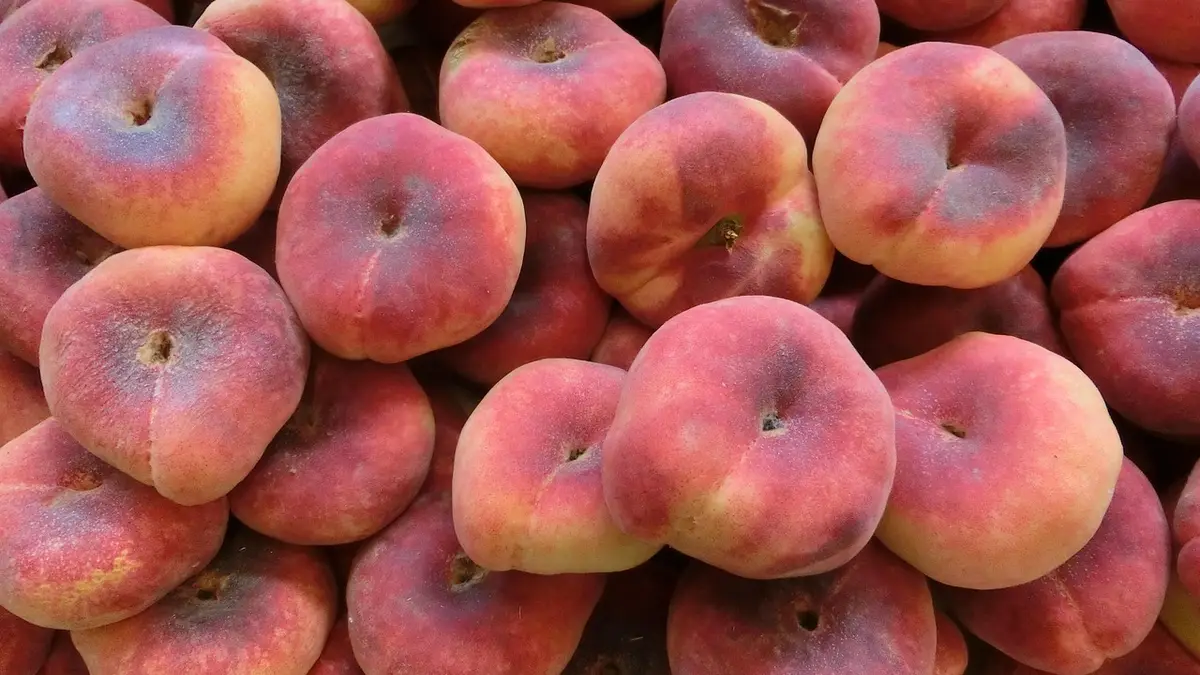
Fresh-peach codes, duty and controls
Read from the UK Trade Tariff on 29 September 2026, heading 0809 covers fresh apricots, cherries, peaches including nectarines, plums and sloes. Fresh flat peaches use 0809 30 20 10; other fresh peaches use 0809 30 80 00. Both peach lines list 16% duty for goods from China and an autonomous suspension at 0.00 %. The supplied facts record no anti-dumping or countervailing duty.
The suspension excludes mixtures, preparations and products made up of different components containing these products. Confirm eligibility before budgeting at the suspended rate. Both peach lines attach HMI conformity certification, a Certificate of Conformity control and organic import controls. The other-peaches line also attaches Unit price: ask your customs broker to confirm its declaration and valuation implications.
The table includes neighbouring nectarine codes to help avoid misclassification. Use the commodity-code guide to confirm the product description, and the fresh-nectarine guide for the related family.
| Goods | Commodity code | Duty | Anti-dumping or countervailing duty on China |
|---|---|---|---|
| Fresh flat peaches | 0809 30 20 10 | 16% | None |
| Other fresh peaches | 0809 30 80 00 | 16% | None |
| Fresh flat nectarines, neighbouring classification | 0809 30 20 90 | 16% | None |
| Other fresh nectarines, neighbouring classification | 0809 30 30 00 | 16% | None |
Specify peach shape, ripeness and packing
Specify flat or round peaches, variety, white or yellow flesh, clingstone or freestone, size range, firmness and sweetness at dispatch and arrival. Agree acceptable skin marks, bruising and split stones against a representative sample. Set out tray support, carton ventilation, cooling arrangements and temperature-record access. Ask for pesticide-residue testing tied to the orchard and shipment lot.
Peaches fall under specific marketing standards. Direct imports from China into Great Britain need a certificate of conformity, subject to the official approved-inspection-service exception, and advance notification through the import notification service. Separately, ask APHA to confirm the plant-health category and certificate requirements for the shipment. Organic imports from China need a Great Britain certificate of inspection for each consignment.
Worked duty example
Illustrative example, not a quote: Illustrative order: 5 tonnes of fresh peaches; values are illustrative under 0809 30 80 00, invoiced at £20,000 free on board, with £1,800 of freight and insurance to the UK. The customs value is £21,800. Duty at 16% is £3,488. Import VAT at 20% is charged on the customs value plus duty, £25,288, so it is £5,057.60. Import taxes total £8,545.60; a VAT-registered importer can usually reclaim the VAT, so the lasting cost is the £3,488 of duty. The import duty and VAT guide explains each step. This assumes the goods are standard-rated for VAT. Most food for human consumption is zero-rated, and animal feed can be too, in which case no import VAT is due, so check the rate for your product in HMRC's VAT Notice 701/14.
Inspection checklist
Fruit: compare shape, flesh colour, size, firmness and taste with the agreed specification; cut samples to check internal browning and split stones.
Condition: check different carton positions for bruising, decay, leaking juice, skin damage and uneven ripeness.
Packing: check tray support, ventilation, crushed cartons and temperature records against the agreed cooling plan.
Documents: match lot identities across cartons, packing records, test reports and certificates; compare the label artwork with the agreed specification.
Working out your own order? Send us the product on WhatsApp and we reply the same working day: WhatsApp us
What goes wrong
A sound-looking outer layer can conceal softer or smaller peaches underneath. Fruit picked too early may remain firm but disappoint on flavour; fruit packed too ripe can bruise and leak during handling. Inspect across the load and cut fruit rather than relying on photographs.
Cooling failures and rough transfers can leave little saleable stock on arrival. Agree who records temperatures, who examines the shipment and how defects are documented before dispatch. Keep receiving photographs and lot records so a claim can identify the affected fruit.
Cambridge China Bridge sources these products for UK businesses, checking the factory and the documents before shipment. See factory verification. For repeat volumes, see container programmes.
Frequently asked questions
What is the UK import duty on fresh peaches from China?
Both fresh-peach lines list 16% duty and an autonomous suspension to 0.00 %. Confirm suspension eligibility with your customs broker. The supplied tariff facts record no anti-dumping or countervailing duty.
Which commodity code covers flat peaches?
Fresh flat peaches use 0809 30 20 10. Other fresh peaches use 0809 30 80 00. Flat nectarines have a separate code, so describe the fruit precisely.
Do fresh peaches need a conformity certificate?
Yes, direct imports into Great Britain subject to specific marketing standards need a certificate of conformity. Advance import notification is also required. Confirm the issuing arrangements before shipment.
What should I check when fresh peaches arrive?
Check firmness, flavour, bruising, decay and size across different cartons. Cut samples for internal browning and split stones, and review temperature records against the agreed cooling plan.