Sourcing stone fruit from China
Fresh stone fruit from China carries base UK duties of 12% to 20%, with 0.00 % suspensions listed for apricots, peaches and nectarines. Fresh fruit must meet marketing standards; direct imports of peaches and nectarines into Great Britain need conformity certification. Cambridge China Bridge sources fresh stone fruit.
Buying from China for a business? How our UK China sourcing agent service works · China sourcing agent for small orders and first imports
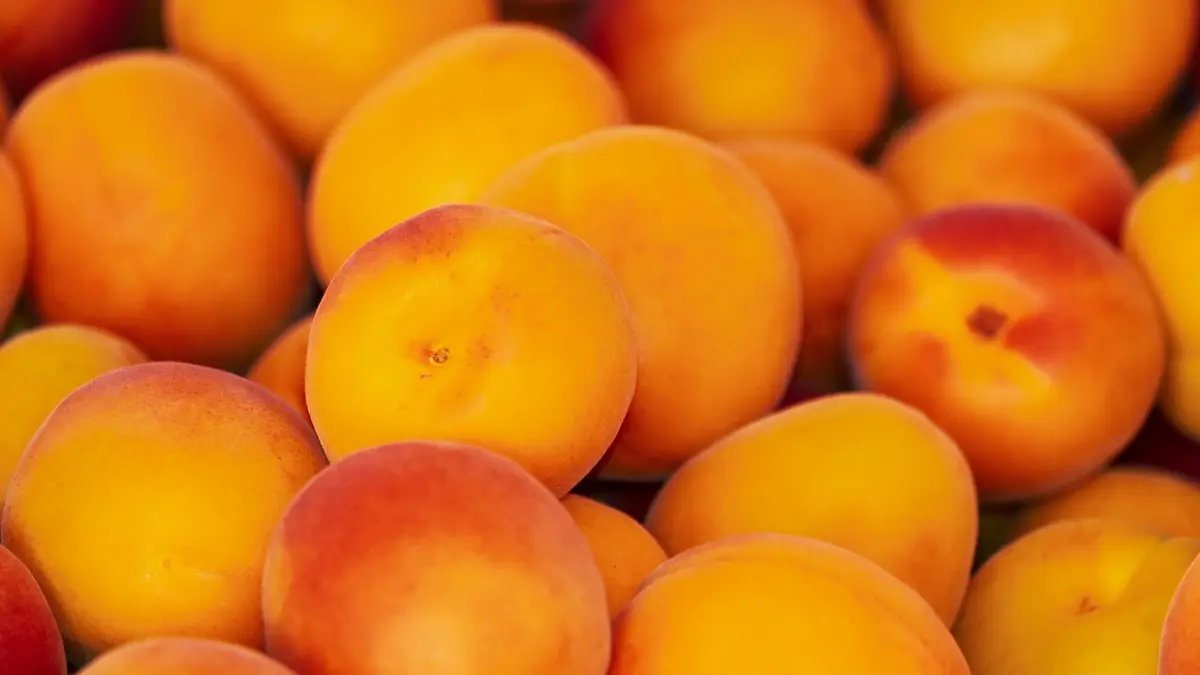
Fresh stone fruit: duty and border checks
Read from the UK Trade Tariff on 18 November 2026, heading 0809 covers fresh apricots, cherries, peaches including nectarines, plums and sloes. The supplied tariff extract lists base duties from China of 20% for apricots, 16% for peaches and nectarines, and 12% for cherries, plums and sloes. It records no anti-dumping or countervailing measures.
Apricots and all peach and nectarine lines have autonomous suspensions to 0.00 %, excluding mixtures, preparations and products made up of different components containing these fruits. The extract supplies no expiry dates. It also attaches organic import controls throughout, conformity controls to peaches and nectarines, and unit-price measures to apricots, other cherries and ordinary peaches and nectarines. Ask your customs broker to confirm suspension eligibility and how the unit-price measure applies.
For direct imports into Great Britain, arrange conformity certification and notify the import of peaches and nectarines through the official import notification system. Organic consignments from China need a certificate of inspection issued by the exporter’s control body; check the exporter’s control body and export country against the recognised organic registers. Ask the plant-health authority to confirm the species-specific conditions for Chinese fruit before shipment. Confirm the exact commodity code.
| Goods | Commodity code | Duty | Anti-dumping or countervailing duty on China |
|---|---|---|---|
| Fresh apricots | 0809 10 00 00 | 20% | None |
| Fresh sour cherries | 0809 21 00 00 | 12% | None |
| Other fresh cherries | 0809 29 00 00 | 12% | None |
| Fresh flat peaches | 0809 30 20 10 | 16% | None |
| Fresh flat nectarines | 0809 30 20 90 | 16% | None |
| Other fresh nectarines | 0809 30 30 00 | 16% | None |
| Other fresh peaches | 0809 30 80 00 | 16% | None |
| Fresh plums | 0809 40 05 00 | 12% | None |
Specify variety, ripeness and packing
Buy through a grower, packhouse or exporter whose orchard supply and packing records can be checked. Specify species and variety, sour or sweet cherries, flat or ordinary peaches, flesh colour, fruit size, firmness, sweetness, harvest maturity and intended use. Agree acceptable bruising, splits, decay and missing stalks rather than relying on photographs.
Agree carton construction, ventilation, cushioning, net contents, pallet arrangement, cooling before loading and temperature recording through transport. Fresh fruit must meet quality and labelling requirements. Imported fruit must also meet the same hygiene standards and safety procedures as food produced in Great Britain. Request lot-specific pesticide test records and retain orchard and packhouse identification.
Worked duty example
Illustrative example, not a quote: Illustrative pallet consignment of fresh cherries for a fruit wholesaler; values are illustrative, not a quotation under 0809 29 00 00, invoiced at £7,500 free on board, with £2,500 of freight and insurance to the UK. The customs value is £10,000. Duty at 12% is £1,200. Import VAT at 20% is charged on the customs value plus duty, £11,200, so it is £2,240. Import taxes total £3,440; a VAT-registered importer can usually reclaim the VAT, so the lasting cost is the £1,200 of duty. The import duty and VAT guide explains each step. This assumes the goods are standard-rated for VAT. Most food for human consumption is zero-rated, and animal feed can be too, in which case no import VAT is due, so check the rate for your product in HMRC's VAT Notice 701/14.
Inspection checklist
Fruit: compare variety, size, colour and firmness with the agreed specification; cut samples to check internal browning, flesh breakdown and split stones.
Condition: check cherries for splits, leaking juice and shrivelled stalks; check peaches, apricots and plums for pressure bruising, mould and skin damage.
Cold chain: compare arrival pulp temperatures and transport logger records with the contract; inspect cartons for condensation, crushing and blocked ventilation.
Documents: match carton identification, packing records and test reports to the delivered lot; check conformity and organic certificates where applicable. Use the inspection guide to plan the checks.
Working out your own order? Send us the product on WhatsApp and we reply the same working day: WhatsApp us
What goes wrong
A firm sample can become an overripe delivery when harvest maturity and transport conditions are poorly matched. Cherries split or leak, peaches bruise beneath apparently sound skin, and wet cartons conceal decay. Agree arrival acceptance criteria and inspect promptly while the condition of the shipment can still be recorded.
A low tariff does not resolve missing certificates or an unconfirmed plant-health route. Keep documentary clearance separate from fruit acceptance, and confirm the import requirements before committing to a perishable shipment.
Cambridge China Bridge sources these products for UK businesses, checking the factory and the documents before shipment. See factory verification. For repeat volumes, see container programmes.
Frequently asked questions
What is the UK import duty on fresh stone fruit from China?
Base duties are 12% for cherries, plums and sloes, 16% for peaches and nectarines, and 20% for apricots. The extract lists 0.00 % suspensions for apricots, peaches and nectarines, excluding mixtures and preparations.
Do Chinese peaches need an import certificate?
Direct imports of peaches and nectarines into Great Britain need conformity certification and import notification. Confirm the separate plant-health conditions with the plant-health authority before shipment.
Can I import Chinese stone fruit as organic?
For Great Britain, each organic consignment needs a certificate of inspection from the exporter’s control body. Check the exporter’s control body and country against the recognised organic registers.
What should I check when fresh cherries arrive?
Check splits, leaking juice, mould, stalk condition, firmness and size. Compare pulp temperatures and transport records with the contract, and match the cartons to the delivered lot’s documents.