Sourcing fresh kumquats from China
Fresh kumquats from China fall within the residual citrus line carrying 12% UK duty, with no suspension or trade remedy listed. Ask APHA or your customs broker to confirm phytosanitary certification, pre-notification and plant health checks for the consignment. Agree peel condition, maturity and refrigerated handling before shipment. Cambridge China Bridge sources fresh kumquats.
Buying from China for a business? How our UK China sourcing agent service works · China sourcing agent for small orders and first imports
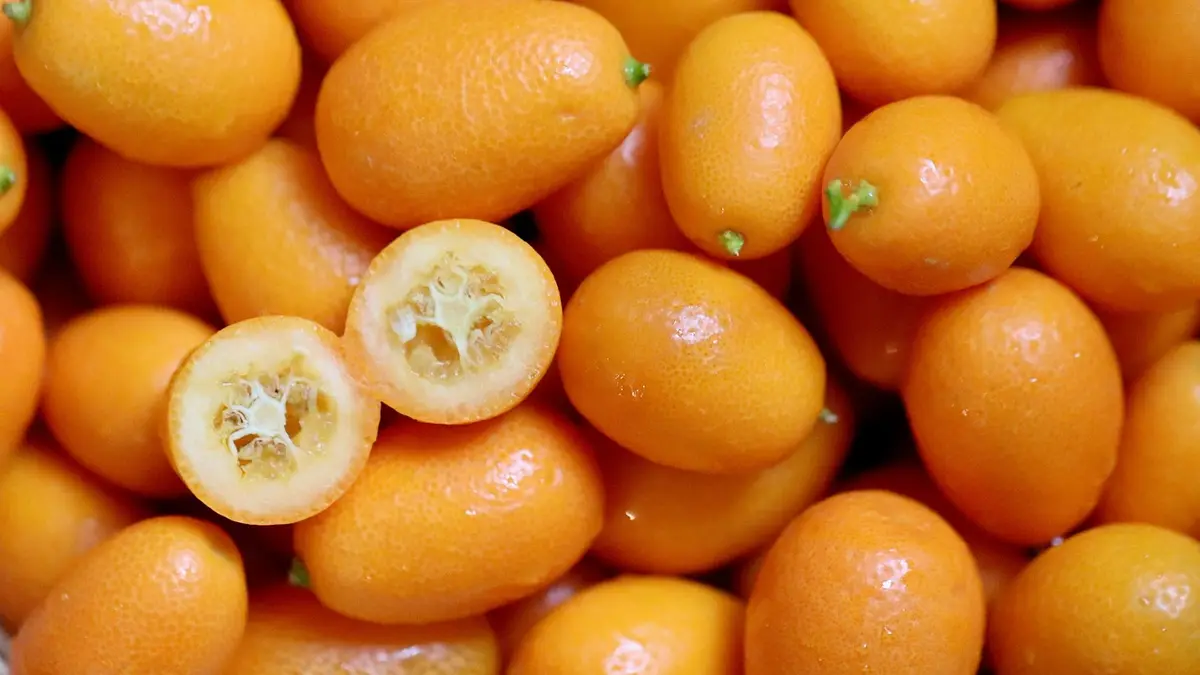
Fresh kumquat duty and import controls
Read from the UK Trade Tariff on 7 October 2026, heading 0805 covers citrus fruit, fresh or dried. For fresh kumquats, check residual code 0805 90 00 90 with your broker. It carries 12% duty for goods from China, with no listed anti-dumping or countervailing duty and no suspension. The supplied tariff contains only this relevant line, so the table has no unrelated citrus entries.
The tariff attaches an organic import control. For organic kumquats from China into Great Britain, obtain a certificate of inspection for each consignment and check the exporter’s control body and country against the recognised registers. Ask APHA or your customs broker to confirm phytosanitary certification, pre-notification and plant health checks for the citrus consignment.
Confirm the product identity and fresh condition using our commodity code guide. Compare other varieties in the wider citrus guide. Confirm the VAT treatment of plain fresh fruit sold as food with HMRC or your customs broker; our import duty and VAT guide explains the calculation.
| Goods | Commodity code | Duty | Anti-dumping or countervailing duty on China |
|---|---|---|---|
| Fresh kumquats, residual citrus line | 0805 90 00 90 | 12% | None |
Specify the peel, maturity and packing
Describe the variety, shape, size range, colour and intended use. For whole-fruit eating, taste the peel and flesh separately against an approved sample. Agree acceptable skin marks, firmness, seed presence and rejection criteria for split, shrivelled or decaying fruit. Ask the supplier to identify the grower and packing site.
Agree carton strength, ventilation, inner packing and net weight. Specify refrigerated handling and request temperature records covering loading and transport. Have the supplier disclose post-harvest treatments and arrange batch residue testing against the applicable UK limits. Fresh fruit must meet marketing quality and labelling requirements; approve the label artwork before packing.
Worked duty example
Illustrative example, not a quote: Illustrative refrigerated wholesale consignment of fresh kumquats under 0805 90 00 90, invoiced at £2,500 free on board, with £2,500 of freight and insurance to the UK. The customs value is £5,000. Duty at 12% is £600. Import VAT at 20% is charged on the customs value plus duty, £5,600, so it is £1,120. Import taxes total £1,720; a VAT-registered importer can usually reclaim the VAT, so the lasting cost is the £600 of duty. The import duty and VAT guide explains each step. This assumes the goods are standard-rated for VAT. Most food for human consumption is zero-rated, and animal feed can be too, in which case no import VAT is due, so check the rate for your product in HMRC's VAT Notice 701/14.
Inspection checklist
Fruit: inspect across cartons for mould, soft spots, split peel, shrivelling, pest damage and mixed maturity. Compare shape, size and flavour with the agreed sample.
Handling: check fruit condition and temperature on arrival, read the transport log and examine cartons for crushing, condensation and blocked ventilation.
Documents: match the consignment, packing list and phytosanitary certificate. For organic purchases, check the inspection certificate and exporter’s control-body details.
Packing: check declared weight, origin information and batch identification against the order. Photograph faults before sorting or repacking; see quality inspection explained.
Working out your own order? Send us the product on WhatsApp and we reply the same working day: WhatsApp us
What goes wrong
A bright peel can hide soft flesh, and a good-looking sample may not represent the packed lot. Uneven maturity produces inconsistent flavour; abrasion and split skins leave fruit more vulnerable to decay. Warm handling, wet packing and crushed cartons can turn a small packing defect into an arrival loss.
Missing or mismatched phytosanitary paperwork can hold up the consignment. Do not assume the duty suspensions on other citrus cover kumquats. Agree who reviews documents, checks the packed lot and records arrival faults before placing the order.
Cambridge China Bridge sources these products for UK businesses, checking the factory and the documents before shipment. See factory verification. For repeat volumes, see container programmes.
Frequently asked questions
What is the UK import duty on fresh kumquats from China?
The supplied tariff reading shows 12% under residual code 0805 90 00 90, with no suspension or anti-dumping or countervailing duty listed. Confirm classification with your broker.
Do fresh kumquats need a phytosanitary certificate?
Ask APHA or your customs broker to confirm whether the citrus consignment from China needs a phytosanitary certificate, pre-notification and plant health checks. Match any required certificate to the consignment before shipment.
What paperwork is needed for organic kumquats?
For imports from China into Great Britain, obtain a certificate of inspection for each consignment and check the exporter’s control body and country against the recognised organic registers.
What should I check when fresh kumquats arrive?
Check peel damage, firmness, mould, shrivelling, maturity, flavour and carton condition. Compare the packed fruit with the agreed sample and review temperature records before distributing it.