Sourcing fresh Chinese water chestnuts from China
Fresh Chinese water chestnuts under 0714 90 90 00 carry 2% UK duty from China, with no duty variation shown for this line. Confirm with the relevant plant health authority whether a phytosanitary certificate is required and settle the plant health arrangements before dispatch. Cambridge China Bridge sources fresh Chinese water chestnuts.
Buying from China for a business? How our UK China sourcing agent service works · China sourcing agent for small orders and first imports
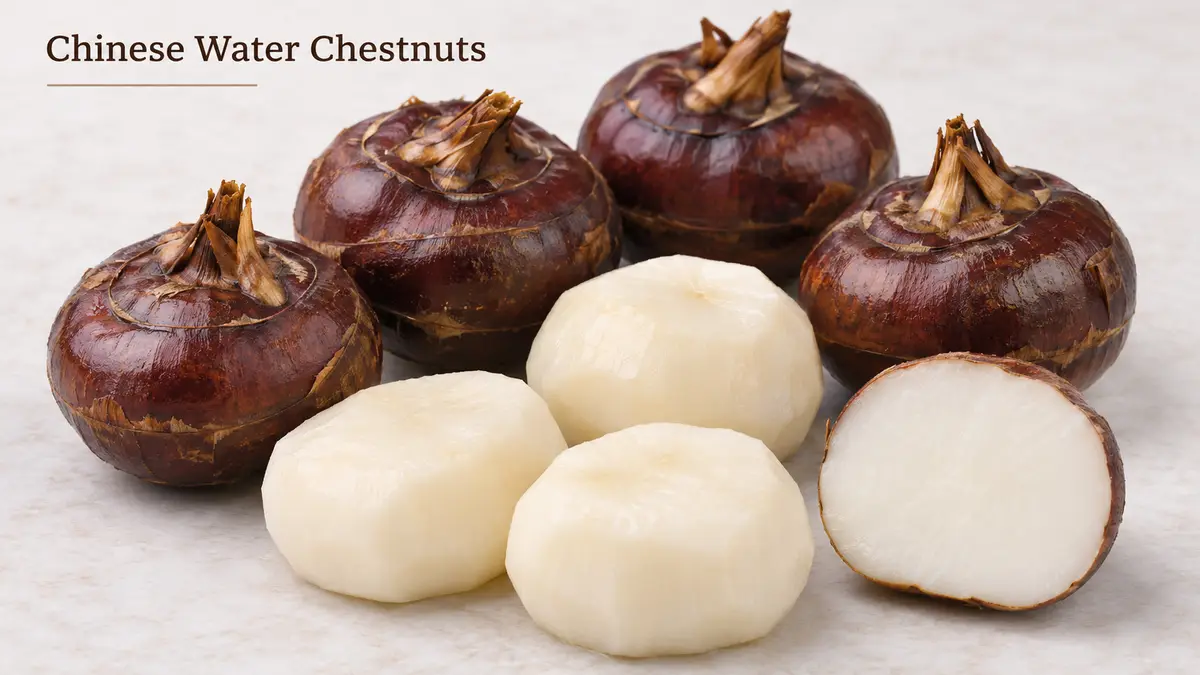
Duty on fresh Chinese water chestnuts
Heading 0714 covers specified roots and tubers, including Chinese water chestnuts. HMRC expressly includes Eleocharis dulcis and Eleocharis tuberosa. This guide concerns fresh or chilled goods, including unprepared peeled goods. The table shows buying forms within the same tariff line. For preserved supply, see the canned water chestnuts guide.
Read from the UK Trade Tariff on 4 October 2026, line 0714 90 90 00 carried 2% duty for goods from China. The supplied snapshot shows no anti-dumping or countervailing duty and no suspension. It attaches an organic import control. For organic orders, obtain the inspection certificate from the exporter's control body and confirm the China-specific certification arrangements with your customs broker before shipment.
Confirm the botanical identity, peeling and any further processing before choosing the commodity code. Give your broker the product specification and packing details. The UK import duty and VAT guide explains the calculation.
| Goods | Commodity code | Duty | Anti-dumping or countervailing duty on China |
|---|---|---|---|
| Fresh Chinese water chestnuts, whole, unpeeled | 0714 90 90 00 | 2% | None |
Specify the corms, peeling and cold chain
Specify Chinese water chestnuts by botanical identity, with photographs and an approved cut sample. Agree whether supply is whole and unpeeled or peeled, the size grade, permitted blemishes, net carton weight and packing material. Ask the packer to show how washing, sorting and peeling are controlled.
Agree firm flesh, a clean cut surface, crisp texture and rejection criteria for soft corms, internal discolouration, mould and foreign matter. Record the harvest and packing information, agreed chilled transport conditions and temperature records. Check a sample after the intended transport and storage conditions.
Confirm with the relevant authorities whether these fresh roots need a phytosanitary certificate, what soil-cleanliness requirements apply, and the applicable risk category and notification arrangements before dispatch. Confirm the applicable GB pesticide residue limits and request a lot-matched residue report. Settle retail labelling and storage instructions before printing packaging.
Worked duty example
Illustrative example, not a quote: Illustrative wholesale order: 20,000 kg of fresh whole Chinese water chestnuts under 0714 90 90 00, invoiced at £14,000 free on board, with £4,200 of freight and insurance to the UK. The customs value is £18,200. Duty at 2% is £364. Import VAT at 20% is charged on the customs value plus duty, £18,564, so it is £3,712.80. Import taxes total £4,076.80; a VAT-registered importer can usually reclaim the VAT, so the lasting cost is the £364 of duty. The import duty and VAT guide explains each step. This assumes the goods are standard-rated for VAT. Most food for human consumption is zero-rated, and animal feed can be too, in which case no import VAT is due, so check the rate for your product in HMRC's VAT Notice 701/14.
Inspection checklist
Identity and grade: compare the delivered corms with the approved sample; check size consistency and whether peeling matches the order.
Condition: cut samples from different cartons to check firmness, internal colour, browning and decay; inspect for soil, mould and foreign matter.
Packing and weight: weigh sample cartons, check drainage and damaged packs, and match carton identification to the packing list and residue report.
Arrival records: review temperature records and inspect condition before acceptance. Match the phytosanitary certificate to the shipment. Use the quality inspection guide to agree how findings are recorded.
Working out your own order? Send us the product on WhatsApp and we reply the same working day: WhatsApp us
What goes wrong
A sound-looking skin can conceal discoloured or soft flesh. Mixed grades reduce usable yield, while damaged peeled corms can arrive browned or wet. Inspect cut samples as well as the outside, and agree how rejected material will be measured.
Residual soil, mismatched documents and incomplete organic paperwork can disrupt clearance. Condensation, crushed packaging and missing temperature records make arrival disputes harder to resolve. Require the shipment documents before dispatch and keep photographs, carton identifiers and receiving records together.
Cambridge China Bridge sources these products for UK businesses, checking the factory and the documents before shipment. See factory verification. For repeat volumes, see container programmes.
Frequently asked questions
What is the UK import duty on fresh Chinese water chestnuts?
The supplied tariff snapshot gives 2% for goods from China under 0714 90 90 00, with no anti-dumping or countervailing duty and no suspension.
Do fresh Chinese water chestnuts need a phytosanitary certificate?
Confirm with the relevant plant health authority whether these fresh roots need a phytosanitary certificate and what soil-cleanliness requirements apply. Confirm the exact risk category and notification arrangements before shipment.
What paperwork should I check for organic water chestnuts?
The tariff attaches an organic import control. Obtain the inspection certificate from the exporter's control body and confirm certification and clearance requirements with your broker.
How should I inspect fresh water chestnuts on arrival?
Check grade, carton weight and temperature records. Cut samples to inspect firmness and internal colour, and look for decay, soil, mould, foreign matter and damaged packaging.