Sourcing emery cloth rolls from China
Emery cloth rolls from China carry 0% UK duty across the supplied heading, with no anti-dumping duty recorded. Woven cloth backing determines the usual code; consumer rolls sold in Great Britain must be safe in normal or reasonably foreseeable use. Cambridge China Bridge sources emery cloth rolls.
Buying from China for a business? How our UK China sourcing agent service works · China sourcing agent for small orders and first imports
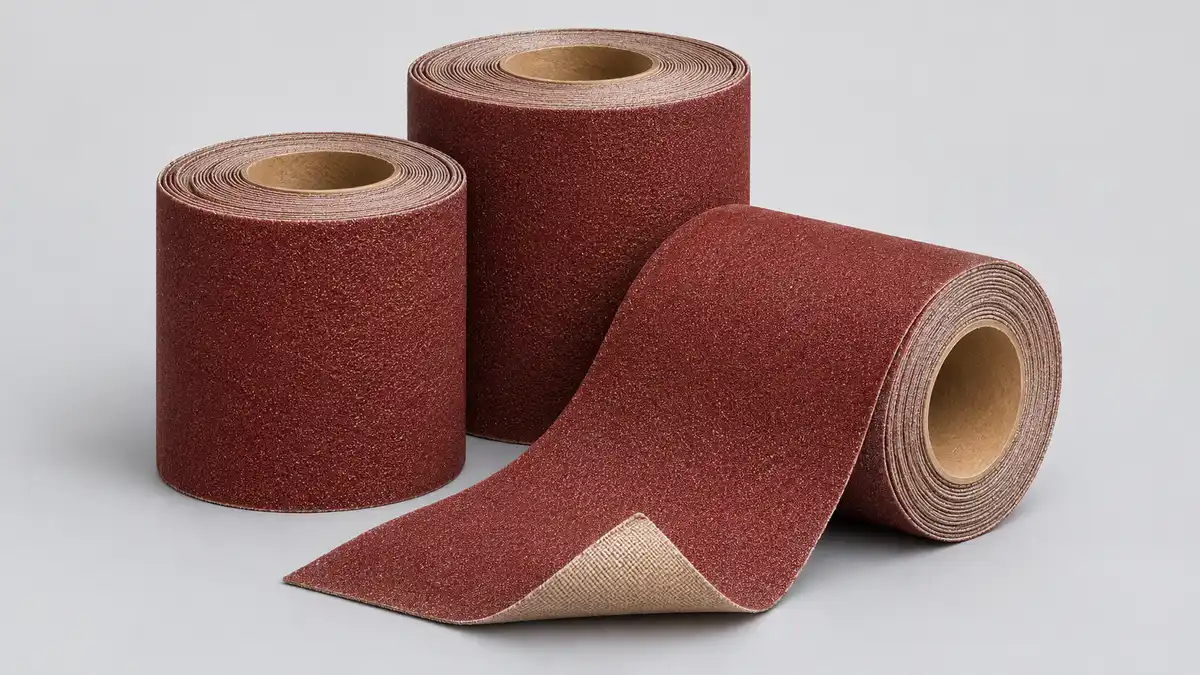
UK duty on emery cloth rolls
Read from the UK Trade Tariff on 30 September 2026, heading 6805 covers natural or artificial abrasive powder or grain on a backing. Emery rolls on woven textile fabric only fall under 6805 10 00 00. The table shows product variants sharing that line, rather than separate tariff subdivisions. See the sandpaper and sanding discs guide for the wider heading.
The supplied lines all carry 0% duty for goods from China, with no anti-dumping or countervailing duty or suspension recorded. The tariff attaches import and export waste controls. Environment Agency guidance for England says waste shipment controls apply only to waste. For material shipped from China as waste, confirm the applicable requirements with your customs broker and the relevant waste authority before shipment.
Confirm the backing construction, abrasive coating and intended presentation using finding your commodity code. Do not select the woven-textile line from the sales name alone: ask for a backing sample and material description.
| Goods | Commodity code | Duty | Anti-dumping or countervailing duty on China |
|---|---|---|---|
| Coarse-grit emery rolls on woven textile fabric only | 6805 10 00 00 | 0% | None |
Specify the cloth, grain and sanding task
State whether the roll is for dry hand sanding, wet use or cutting into strips. Specify the actual abrasive mineral, grit designation and grading scale, cloth composition, backing weight and flexibility, coating density, resin bond, roll width and usable length. Ask what the supplier means by emery: the name alone does not identify the grain.
Approve samples on the metal and finish your customers will work on. Compare scratch pattern, cutting action, clogging and grain shedding against a retained reference. For wet-use claims, repeat the trial after soaking and check for backing distortion and coating separation.
Consumer rolls sold in Great Britain must be safe in normal or reasonably foreseeable use. Agree clear intended-use information and check it against the supplied product. Keep hand-sanding rolls distinct from products offered for powered equipment.
Worked duty example
Illustrative example, not a quote: Illustrative mixed-grit batch of woven cloth-backed emery rolls for a workshop supplier under 6805 10 00 00, invoiced at £25,000 free on board, with £1,500 of freight and insurance to the UK. The customs value is £26,500. Duty at 0% is £0. Import VAT at 20% is charged on the customs value plus duty, £26,500, so it is £5,300. With no duty, the only import tax is the VAT, which a VAT-registered importer can usually reclaim. The import duty and VAT guide explains each step.
Inspection checklist
Dimensions: measure roll width and usable length; inspect slit edges, winding and any concealed joins.
Grit and identity: compare backing print, mineral description and scratch pattern with the approved sample.
Backing and bond: bend strips around a curved test piece and check tearing, coating cracks and loose grain; repeat wet if specified.
Packing: check dampness, crushed cores, mixed grit labels and batch identification against the order. Arrange quality inspection before dispatch.
Working out your own order? Send us the product on WhatsApp and we reply the same working day: WhatsApp us
What goes wrong
A roll can look correct but cut differently because the mineral or grading scale has changed. Weak bonding causes early grain loss, stiff cloth struggles around curved workpieces, and uneven coating leaves inconsistent scratches. Compare production samples with the approved reference on the intended surface.
Short usable length, hidden joins and fraying slit edges reduce the material customers can use. Damp packing can affect the backing and bond. Record these acceptance points in the purchase specification and keep samples from the delivered batch.
Cambridge China Bridge sources these products for UK businesses, checking the factory and the documents before shipment. See factory verification. For repeat volumes, see container programmes.
Frequently asked questions
What is the UK import duty on emery cloth rolls from China?
The supplied tariff snapshot dated 30 September 2026 gives 0% duty for woven textile-backed rolls under 6805 10 00 00, with no anti-dumping or countervailing duty recorded.
Which commodity code covers emery cloth rolls?
6805 10 00 00 covers abrasive grain on woven textile fabric only. Confirm the actual backing construction before using this code.
What should I specify when buying emery cloth rolls?
Specify the mineral, grit scale, backing composition and flexibility, coating, width, usable length and dry or wet use. Approve a sample on the intended workpiece.
Do waste controls apply to new emery cloth rolls?
The tariff attaches waste controls; confirm requirements with your broker if the shipment contains waste material.