Sourcing dried cassava chips from China
Dried cassava chips from China carry £7.90 per 100 kg UK duty, rather than a percentage range, with no listed trade remedy or suspension. Food must be safe to sell; agree processing and batch testing before ordering. Organic imports have additional controls. Cambridge China Bridge sources dried cassava chips.
Buying from China for a business? How our UK China sourcing agent service works · China sourcing agent for small orders and first imports
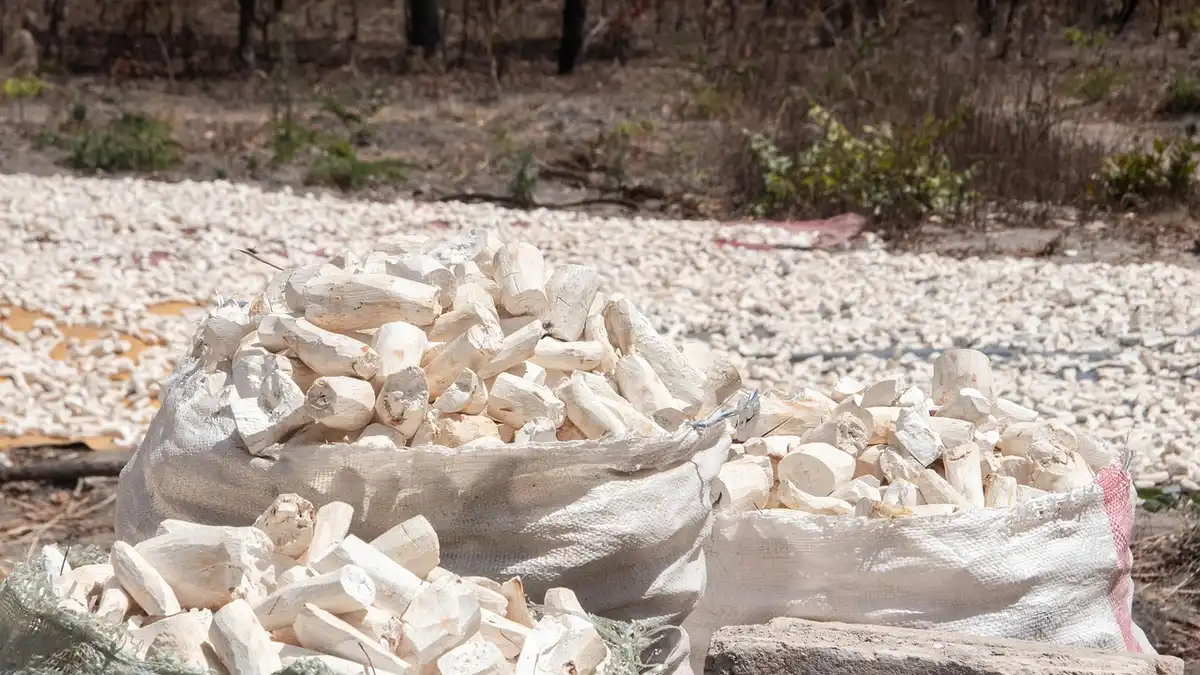
Dried cassava duty is charged by weight
Read from the UK Trade Tariff on 8 November 2026, heading 0714 covers starchy roots and tubers, including dried cassava whether or not sliced. Plain dried cassava chips fall within the description of 0714 10 00 99, subject to confirmation for the actual product. Goods from China carry £7.90 per 100 kg. The supplied tariff record lists no anti-dumping or countervailing duty and no suspension for this line.
The tariff attaches an organic import control. For organic food from China entering Great Britain, obtain a Great Britain certificate of inspection for each consignment and check the exporter’s control body and country against the recognised organic registers. Your company must also be based and certified in the UK to import organic products.
Confirm the ingredients, drying process, intended use and physical form with your broker using our commodity code guide. A flour or meal pellet is a different cassava line in the supplied tariff record. For other products within this heading, see sweet potatoes, taro and yams. The illustrative order uses a weight-based duty because the relevant cassava line has no plain percentage rate.
| Goods | Commodity code | Duty | Anti-dumping or countervailing duty on China |
|---|---|---|---|
| Dried cassava chips, neither flour nor meal pellets | 0714 10 00 99 | £7.90 per 100 kg | None |
Specify the cassava process and intended use
State whether the chips are for food, animal feed or industrial processing. For food supply, specify the cassava variety, peeling, any soaking or fermentation, drying method and subsequent preparation. Cassava can release hydrogen cyanide. Ask a laboratory to agree a suitable cyanide testing method and acceptance criteria for the intended food use, then obtain reports for the batches shipped.
Agree chip thickness, broken pieces, fines, residual peel, moisture, colour and foreign matter against an approved sample. Specify sealed liners, storage instructions and batch identification. For food packs, settle the English label information before printing, including net weight, storage instructions and the UK address. Use testing and certification support to define the testing brief.
Inspection checklist
Dryness and packing: check moisture against the agreed specification, liner seals, bag damage and signs of condensation or mould.
Chip grading: compare thickness, colour, broken pieces, fines and residual peel with the approved sample; check for stones, insects and other foreign matter.
Batch evidence: match the shipped batch identifiers to cyanide and pesticide residue reports; compare the tested product and processing description with the order.
Weight and documents: weigh sampled packs, reconcile the declared net weight and check food labels; for organic orders, match the certificate of inspection to the shipment.
What goes wrong
Dry-looking chips can still lack suitable processing evidence. Appearance does not establish cyanide safety. Unsafe food must not be placed on the market. Keep a shipment on hold while unresolved safety results are investigated, rather than accepting a generic report for another batch.
Uneven drying, damaged liners and moisture entering the packs can leave chips damp or mouldy. Excess fines and variable thickness can disrupt the buyer’s processing. Agree sampling and acceptance criteria before production, and inspect representative packs on arrival.
Cambridge China Bridge sources these products for UK businesses, checking the factory and the documents before shipment. See factory verification. For repeat volumes, see container programmes.
Frequently asked questions
What is the UK import duty on dried cassava chips from China?
Read from the UK Trade Tariff on 8 November 2026, the relevant line carries £7.90 per 100 kg, with no listed trade remedy or suspension. Duty is charged by weight.
Are dried cassava chips ready to eat?
Do not assume so. Establish the processing history and intended preparation, and obtain suitable batch safety evidence. Cassava can release hydrogen cyanide.
What documents do organic cassava chips need?
For China-to-Great Britain food shipments, obtain a Great Britain certificate of inspection for each consignment and check the recognised organic registers. The importer must be UK-based and certified.
What should I check when dried cassava chips arrive?
Check moisture, mould, insects, foreign matter, chip grading, liner seals and net weight. Match batch identifiers to the laboratory reports and shipment documents.