Sourcing diamond wheel dressing tools from China
Diamond wheel dressing tools classified in heading 6804 carry 0% UK duty from China, with no recorded anti-dumping or countervailing duty. Confirm the construction and code before ordering; waste controls apply if the shipment is waste. Cambridge China Bridge sources diamond wheel dressing tools.
Buying from China for a business? How our UK China sourcing agent service works · China sourcing agent for small orders and first imports
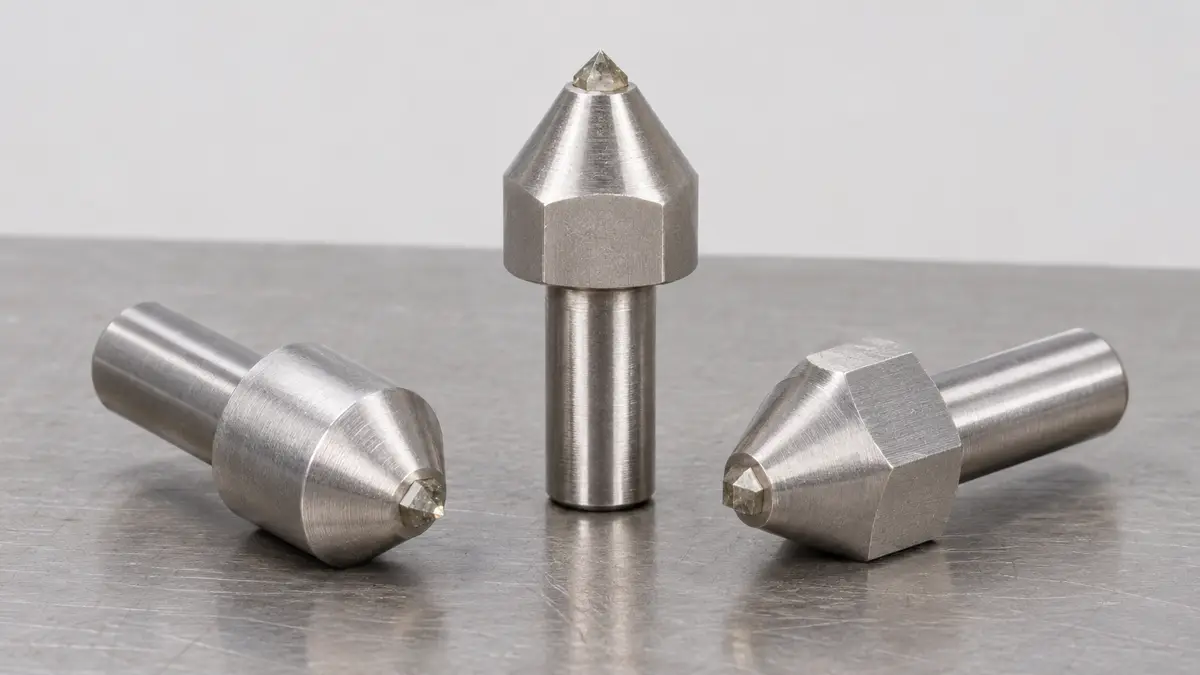
Duty and classification for diamond dressers
Read from the UK Trade Tariff on 1 October 2026, heading 6804 covers grinding, sharpening, polishing, trueing and cutting products without frameworks. This guide focuses on agglomerated diamond dressing wheels and related forms. The table shows product variants within the same commodity line, rather than separate tariff categories. Do not assume that every tool sold as a diamond dresser belongs here.
The supplied tariff lines all carry 0% duty for goods from China, with no recorded anti-dumping or countervailing duty or suspensions. The tariff attaches waste import and export controls. Waste shipment controls apply only where the material is waste. For a shipment from China that may be waste, ask your customs broker to confirm the applicable requirements before dispatch.
Send the broker a drawing, photographs and details of how the diamond working surface is formed. Confirm the commodity code against the actual construction. For other products in this heading, see the vitrified mounted grinding points guide.
| Goods | Commodity code | Duty | Anti-dumping or countervailing duty on China |
|---|---|---|---|
| Agglomerated diamond dressing wheels, other | 6804 21 00 90 | 0% | None |
Specify the diamond surface and mounting
Specify the grinding wheel being dressed, its abrasive and bond, the required profile and the machine mounting. For the dresser, agree diamond grain size, concentration, bond material, working width, bore or shank dimensions, locating faces and permitted runout. Keep the approved drawing and sample together so the factory cannot substitute a different working surface.
Agree a dressing trial using the intended wheel and coolant. Compare profile retention, wheel surface finish and dresser wear against the approved sample. HSE advises consulting wheel and machine manufacturers on technical aspects of dressing where necessary.
Worked duty example
Illustrative example, not a quote: An illustrative small batch of agglomerated diamond dressing wheels under 6804 21 00 90, invoiced at £2,500 free on board, with £150 of freight and insurance to the UK. The customs value is £2,650. Duty at 0% is £0. Import VAT at 20% is charged on the customs value plus duty, £2,650, so it is £530. With no duty, the only import tax is the VAT, which a VAT-registered importer can usually reclaim. The import duty and VAT guide explains each step.
Inspection checklist
Mounting: check the bore or shank, locating faces and fit against the drawing and intended holder.
Working surface: inspect diamond distribution, exposed edges, cracks and separation from the supporting body.
Geometry: measure working width, profile and runout using the agreed method.
Trial and records: compare dressing performance with the approved sample and match carton labels to batch records. Plan checks with the quality inspection guide.
Working out your own order? Send us the product on WhatsApp and we reply the same working day: WhatsApp us
What goes wrong
A dresser can fit the holder yet produce the wrong wheel profile because its working face differs from the drawing. Uneven diamond distribution, a changed bond or poor attachment can cause uneven wear and loss of profile. Reject chipped working edges and investigate any separation before a production trial.
Clearance also matters: HSE warns against dressing tools becoming jammed between the abrasive wheel and the work rest or fixed machine parts. Check the proposed tool geometry and mounting arrangement with the machine supplier before approving the sample.
Cambridge China Bridge sources these products for UK businesses, checking the factory and the documents before shipment. See factory verification. For repeat volumes, see container programmes.
Frequently asked questions
What is the UK import duty on diamond wheel dressing tools from China?
For agglomerated diamond dressers classified under 6804 21 00 90, the supplied tariff snapshot records 0% duty and no anti-dumping or countervailing duty.
Does every diamond dresser use the same commodity code?
Do not assume so. Confirm the actual construction, diamond working surface and mounting with your customs broker before using the agglomerated diamond line.
What should I specify for a diamond dressing wheel?
Specify the wheel being dressed, diamond grain size and concentration, bond, profile, working width, mounting dimensions and permitted runout.
How do I check whether a dresser matches the sample?
Compare mounting fit and measured geometry, inspect the diamond surface, then run an agreed dressing trial on the intended wheel and compare profile retention and wear.