Sourcing Defatted Peanut Flour from China
Defatted peanut flour resulting from groundnut oil extraction carries 0% UK duty under heading 2305, with no listed trade remedies. Chinese peanut products face aflatoxin import controls, including entry through designated border control posts. Cambridge China Bridge sources defatted peanut flour.
Buying from China for a business? How our UK China sourcing agent service works · China sourcing agent for small orders and first imports
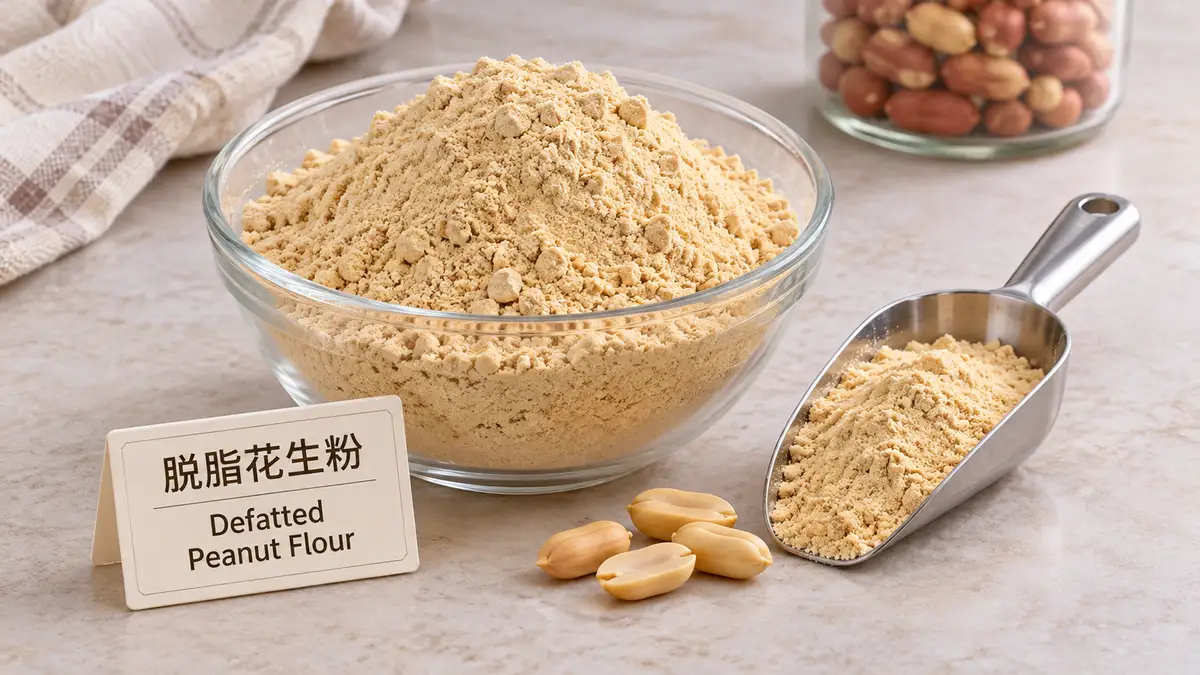
Duty and border controls
Read from the UK Trade Tariff on 29 September 2026, heading 2305 covers solid residues from extracting groundnut oil, including ground material. Defatted peanut flour matching that description carries 0% duty from China. The supplied record lists no anti-dumping or countervailing duty and no suspensions. It contains only the commodity line shown here.
The tariff attaches a restriction on entry into free circulation. Chinese peanut products face aflatoxin controls and must enter through designated border control posts. Confirm notification and clearance documents with your broker and port health authority before shipment. Goods must remain at the border control post or customs clearance area until officials validate the common health entry document.
Organic import and waste import and export controls are also attached. For organic goods, request the inspection certificate issued by the exporter's control body and confirm acceptance with your broker. Waste controls depend on whether the material is waste; ask your broker to confirm applicability. Confirm the commodity code using the extraction process and composition. See the wider groundnut oilcake guide.
| Goods | Commodity code | Duty | Anti-dumping or countervailing duty on China |
|---|---|---|---|
| Defatted peanut flour from groundnut oil extraction | 2305 00 00 00 | 0% | None |
Specify the extraction process and flour performance
Describe the intended food or feed use, peanut origin, oil-extraction method, roasting or other heat treatment, and any subsequent milling or blending. Agree protein, residual fat, moisture, ash, fibre and particle size. Ask the supplier to identify any extraction solvent and provide relevant residue analysis. Assess a production sample in your own recipe for flavour, colour, dispersibility and texture.
For food use, settle the peanut allergen wording before approving artwork. Official guidance requires the peanut name for allergen labelling of products or ingredients made from peanuts. For feed use, confirm feed business registration, material naming, statutory declarations and undesirable substance limits. Agree independent sampling and the contaminant and microbiological testing brief through testing and certification support.
Worked duty example
Illustrative example, not a quote: Illustrative order: 12 tonnes of defatted peanut flour under 2305 00 00 00, invoiced at £30,000 free on board, with £3,500 of freight and insurance to the UK. The customs value is £33,500. Duty at 0% is £0. Import VAT at 20% is charged on the customs value plus duty, £33,500, so it is £6,700. With no duty, the only import tax is the VAT, which a VAT-registered importer can usually reclaim. The import duty and VAT guide explains each step. This assumes the goods are standard-rated for VAT. Most food for human consumption is zero-rated, and animal feed can be too, in which case no import VAT is due, so check the rate for your product in HMRC's VAT Notice 701/14.
Inspection checklist
Identity: compare the extraction method, heat treatment, ingredient declaration and particle size with the approved specification; investigate added starch, sugar or other undeclared material.
Batch analysis: independently sample the shipment and compare protein, residual fat, moisture and ash with the contract; arrange aflatoxin and microbiological testing for the intended use.
Arrival condition: inspect for damp bags, caking, mould, insects, rancid odour and damaged liners; compare arrival samples with retained loading samples.
Documents and packs: match batch references across bags, analysis reports and shipping documents; check seals, net weight, allergen information and applicable organic paperwork.
Working out your own order? Send us the product on WhatsApp and we reply the same working day: WhatsApp us
What goes wrong
A flour sample can behave differently from the shipment when residual oil, roasting or grind changes. Excess hull material changes fibre and texture; damp flour cakes, while residual fat can develop rancid flavours. Fix the process and acceptance criteria in writing and compare independently drawn samples through the quality inspection guide.
A supplier's generic analysis report does not establish the condition of your batch. Check the sample identity and laboratory scope before accepting it. Resolve the aflatoxin entry route and clearance documents before loading. Agree how you will hold and investigate a lot if its analysis, packaging or arrival condition differs from the contract.
Cambridge China Bridge sources these products for UK businesses, checking the factory and the documents before shipment. See factory verification. For repeat volumes, see container programmes.
Frequently asked questions
What is the UK import duty on defatted peanut flour from China?
It is 0% under 2305 00 00 00 when the flour is a solid residue from extracting groundnut oil. The supplied tariff record lists no trade remedies or suspensions.
Can I import Chinese defatted peanut flour into Great Britain?
Chinese peanut products face aflatoxin import controls and entry through designated border control posts. Confirm the flour's classification, notification and clearance documents with your broker and port health authority.
What should I specify when buying defatted peanut flour?
Specify food or feed use, extraction method, heat treatment, protein, residual fat, moisture, fibre, ash and particle size. Agree batch sampling, contaminant testing and packaging.
Can feed-grade peanut flour be supplied as a food ingredient?
Do not approve it on a feed specification alone. Obtain a specification and batch testing for the intended food use, and settle allergen information and border arrangements before shipment.
Sources
- UK Trade Tariff — commodity codes and duty
- Importing nuts
- Imports from non-EU countries: animals, animal products and high-risk food and feed
- Importing organic food, feed and seed to the UK
- Food allergen labelling and information requirements technical guidance
- Waste: export and import
- HMRC — Food products (VAT Notice 701/14)