Sourcing rye bran from China
UK duty on rye bran from China is £36 to £74 per 1,000 kg, depending on the starch and sieve or ash tests. Before importing for feed use, confirm applicable feed business registration and labelling requirements with the relevant authority. Cambridge China Bridge sources rye bran.
Buying from China for a business? How our UK China sourcing agent service works · China sourcing agent for small orders and first imports
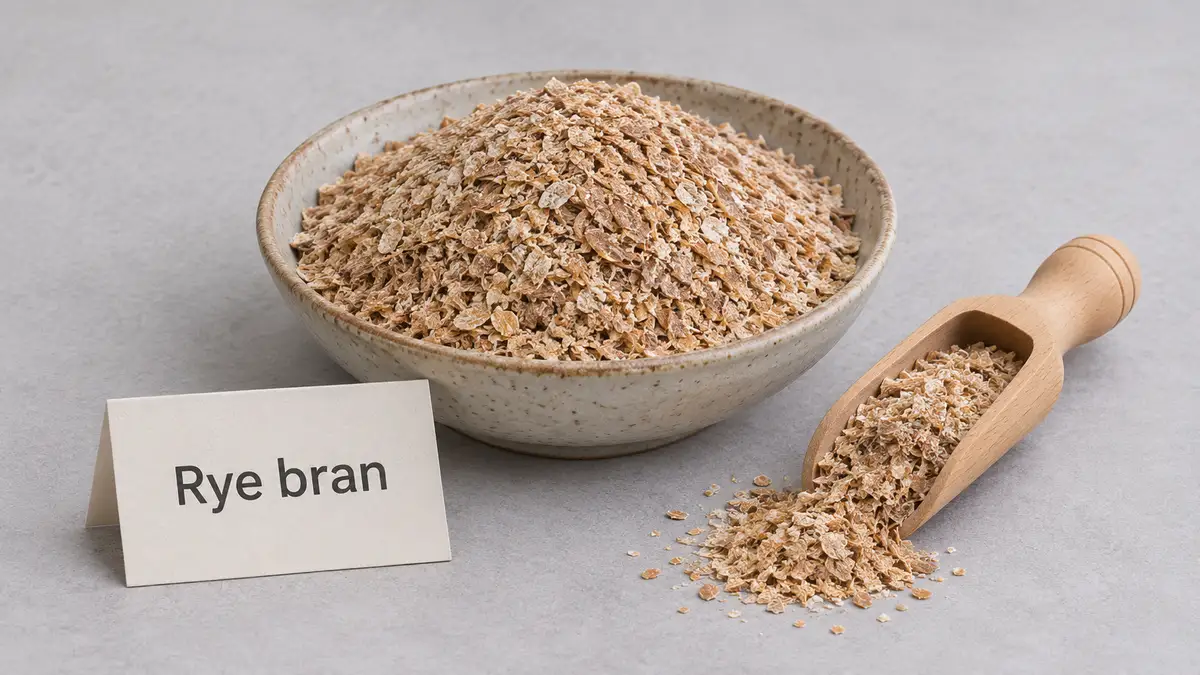
Rye bran duty depends on the milling analysis
Read from the UK Trade Tariff on 29 September 2026, heading 2302 covers bran, sharps and other cereal or leguminous plant processing residues, including pellets. Rye bran falls within the other-cereal lines. The supplied record gives £36 per 1,000 kg for material meeting the starch and sieve or ash tests, and £74 per 1,000 kg for other material. It lists no anti-dumping or countervailing duty and no suspensions for these lines.
The tariff attaches organic import and waste import controls, plus an export waste control relevant to later exports. Confirm the applicable business-location and organic-certification requirements with your organic control body. Confirm the inspection certificate requirement for Chinese organic rye bran with your customs broker; the exporter’s control body issues the certificate. Waste controls apply only where the material is waste. For notification-controlled imports into England, the exporter must seek consent from the competent authority in the country of dispatch.
Confirm the commodity code using rye identity, the milling process and representative laboratory results. Loose and pelleted forms can share a code; the analysis determines the duty split. Rye duty is weight-based, so a percentage-duty example would be inappropriate. For comparison with wheat and the wider milling-residue heading, see sourcing wheat bran.
| Goods | Commodity code | Duty | Anti-dumping or countervailing duty on China |
|---|---|---|---|
| Loose rye bran meeting the starch and sieve or ash tests | 2302 40 10 00 | £36.00 per 1000 kg | None |
| Other loose rye bran | 2302 40 90 00 | £74.00 per 1000 kg | None |
Specify the rye milling fraction and intended use
Specify rye bran rather than wheat bran or mixed cereal residues. Describe the milling fraction, loose or pelleted form, and any blending or subsequent treatment. Agree moisture, crude protein, fibre, starch, ash and particle size against the intended food or feed use. Request a batch analysis rather than relying on a generic supplier specification.
For feed use, confirm applicable feed business registration, feed material naming, statutory declarations and undesirable substance requirements with the relevant authority. Agree contaminant testing and sampling with the laboratory through testing and certification support. For food use, agree a separate specification rather than accepting a feed specification.
Inspection checklist
Identity: compare the rye milling fraction and loose or pelleted form with the approved sample; investigate flour, husk, grit or mixed cereal material.
Analysis: independently sample the shipment and compare moisture, protein, fibre, starch, ash and particle size with the contract and tariff classification brief.
Condition: check for heating, mould, insects, caking and unusual odours; retain samples from affected bags separately.
Packs and documents: check bag integrity and net weight, match batch references to analysis reports, and confirm applicable feed declarations and organic clearance documents.
What goes wrong
Extra flour changes starch content, while husk or grit changes fibre and ash. The approved sample can therefore differ from the shipment in both feeding value and tariff classification. Agree independent sampling through the quality inspection guide, and compare loading and arrival samples.
Damp bran can cake or grow mould during transport. Torn bags and mismatched batch reports make the affected lot harder to assess. Before loading, approve the packaging, lot analysis and document checklist, and resolve any organic certification or waste-status questions with the broker.
Cambridge China Bridge sources these products for UK businesses, checking the factory and the documents before shipment. See factory verification. For repeat volumes, see container programmes.
Frequently asked questions
What is the UK import duty on rye bran from China?
The supplied record gives £36 or £74 per 1,000 kg, depending on the starch and sieve or ash tests. It lists no anti-dumping or countervailing duty and no suspensions for the rye-relevant lines.
Do I need to register to import rye bran for animal feed?
Confirm applicable feed business registration and labelling requirements with the relevant authority before importing. Describe your importing, storage and selling activities when seeking advice.
What paperwork should I check for organic rye bran?
Confirm the inspection certificate requirement with your broker. The exporter’s control body issues the certificate in the country of export.
Is rye bran automatically classed as waste?
Waste controls apply only if the material is waste. Confirm its status and applicable shipment controls with your broker; calling it a milling residue does not settle the question.