Sourcing triticale bran from China
UK duty on triticale bran from China is £36 to £74 per 1,000 kg, depending on the starch and sieve or ash criteria. For feed use, confirm feed business registration, labelling and undesirable substance requirements before importing. Organic claims need supporting import paperwork. Cambridge China Bridge sources triticale bran.
Buying from China for a business? How our UK China sourcing agent service works · China sourcing agent for small orders and first imports
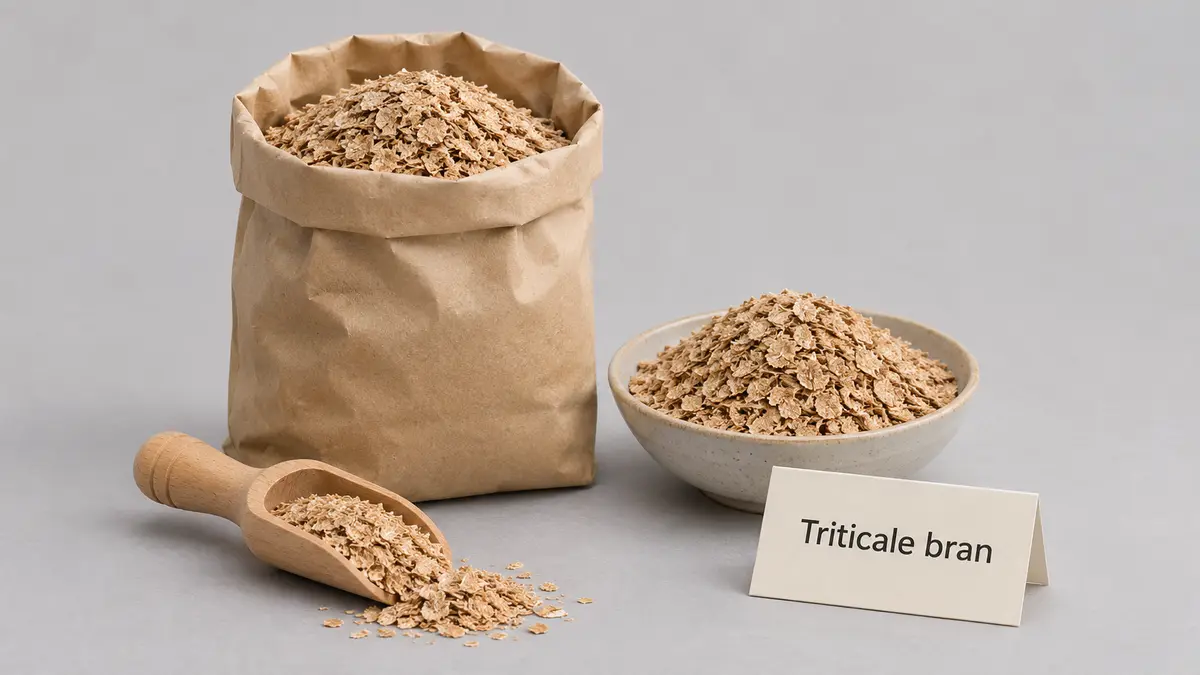
Duty depends on the milling fraction
Read from the UK Trade Tariff on 29 September 2026, heading 2302 covers bran, sharps and other residues from cereal or leguminous plant processing, including pellets. For triticale bran, check the other-cereal lines: 2302 40 10 00 carries £36 per 1,000 kg when the starch and sieve or ash criteria are met; 2302 40 90 00 carries £74 per 1,000 kg. The supplied record lists no anti-dumping or countervailing duty and no suspensions.
Both relevant lines carry organic import and waste import controls; the record also lists an export waste control. Ask your approved UK organic control body to confirm importer establishment and certification requirements. Confirm the inspection certificate with your broker; the exporter’s control body issues it. Waste controls apply where the material is waste. For notified waste entering England, shipment can start after consent from the Environment Agency and the other competent authorities involved. Ask your broker to confirm the material’s status and applicable import or subsequent export requirements.
Confirm the commodity code using the crop identity, milling process and representative laboratory results. A supplier’s description as bran does not establish the lower-duty classification. For wider heading context, see sourcing wheat bran. Only the triticale-relevant lines are shown here; neither carries a plain percentage duty.
| Goods | Commodity code | Duty | Anti-dumping or countervailing duty on China |
|---|---|---|---|
| Triticale bran meeting the starch and sieve or ash criteria | 2302 40 10 00 | £36.00 per 1000 kg | None |
| Other triticale bran and milling residues | 2302 40 90 00 | £74.00 per 1000 kg | None |
Specify triticale identity and the bran fraction
Specify triticale bran, its milling process and whether it is loose or pelleted. Ask the mill to identify any blending with other cereal fractions or added ingredients. Agree moisture, crude protein, fibre, starch, ash and particle size against the intended use. Compare the shipment with an approved retained sample.
For animal feed, confirm applicable feed business registration, material naming, statutory declarations and undesirable substance requirements. In England and Wales, applications for feed establishment registration or approval go to the local authority. Agree batch sampling and contaminant analysis with the laboratory through testing and certification support.
Inspection checklist
Identity: match the mill’s crop and processing records to the contracted triticale bran; investigate unexpected flour, husk, grit or blended material.
Analysis: independently sample the lot and compare moisture, protein, fibre, starch and ash with the contract and the proposed tariff classification.
Condition: check at loading and arrival for heating, mould, insects, caking and abnormal odours; retain samples from affected bags separately.
Packs and documents: inspect bag integrity and net weight; match batch references across labels, analysis reports and delivery documents, and confirm paperwork supporting organic claims.
What goes wrong
The approved sample can represent a different milling fraction from the shipment. Extra flour raises starch, while husk or grit changes fibre and ash. This can change feeding value and the tariff classification. Agree representative sampling using the quality inspection guide, rather than accepting only a supplier-selected sample.
Damp bran can cake or develop mould during transport. Compare loading and arrival samples, and investigate damaged bags before mixing the delivery into existing stock. Resolve organic paperwork and any uncertainty over waste status before shipment.
Cambridge China Bridge sources these products for UK businesses, checking the factory and the documents before shipment. See factory verification. For repeat volumes, see container programmes.
Frequently asked questions
What is the UK import duty on triticale bran from China?
The relevant other-cereal lines carry £36 or £74 per 1,000 kg, depending on the starch and sieve or ash criteria.
What analysis should I request for triticale bran?
Request representative batch results for moisture, protein, fibre, starch and ash. Ask the laboratory for the sieve or ash information needed to assess the proposed commodity code.
Do I need feed business registration?
Confirm applicable registration before importing for feed use. In England and Wales, apply to the local authority for the area where the feed establishment operates.
Does triticale bran count as waste?
A milling residue description alone does not settle its status. Waste shipment controls apply where the material is waste; ask your broker to confirm the status and applicable requirements before shipping.