Sourcing Crushed Chilli Flakes from China
Crushed chilli flakes from China carry 4% base UK duty, reduced to 0% under the suspension for qualifying unmixed Capsicum. Mixtures do not qualify. Confirm applicable food contaminant and pesticide residue limits with the relevant food authority, and agree batch testing before shipment. Cambridge China Bridge sources crushed chilli flakes.
Buying from China for a business? How our UK China sourcing agent service works · China sourcing agent for small orders and first imports
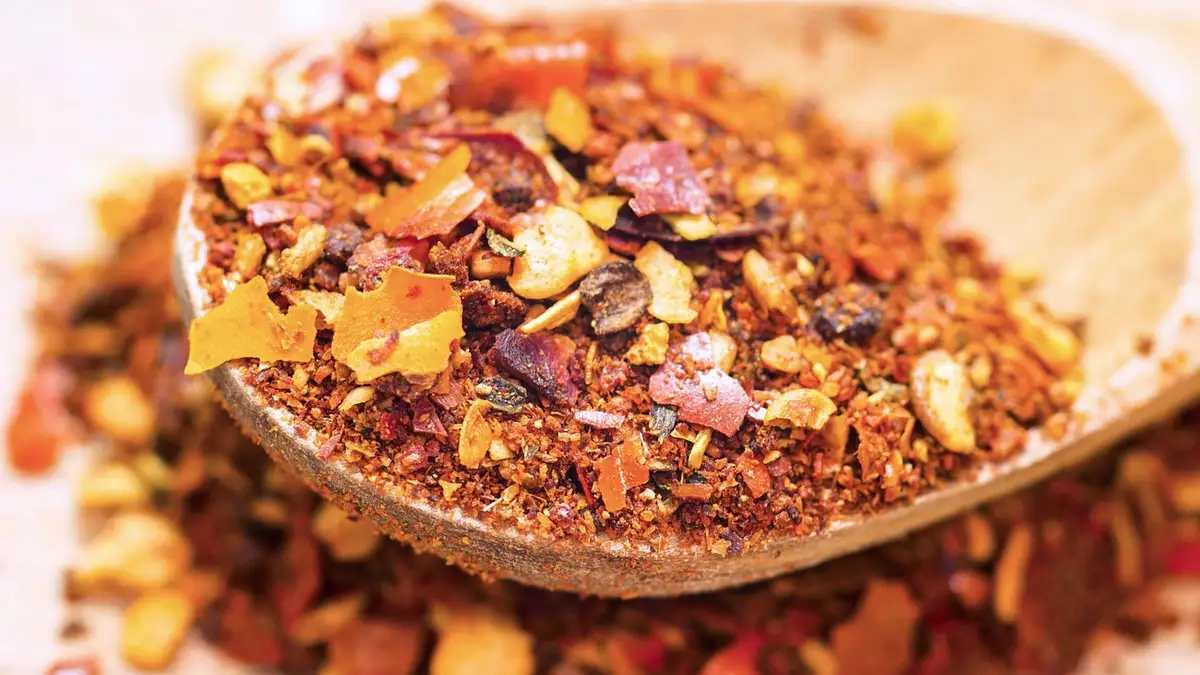
4% base duty, with a qualifying 0% suspension
Read from the UK Trade Tariff on 2 October 2026, heading 0904 covers pepper and dried, crushed or ground Capsicum and Pimenta fruit. Hot chilli flakes fall within the crushed or ground Capsicum line 0904 22 00 19. Its base duty for goods from China is 4%, with a 0% autonomous tariff suspension. The suspension excludes mixtures, preparations and products made up of different components containing these goods. The snapshot records no anti-dumping or countervailing duty.
The UK Trade Tariff attaches import control of organic products. For organic flakes, arrange a certificate of inspection with the exporter’s control body in China. Your importing company must be based and certified in the UK. Confirm the consignment requirements with your customs broker before shipping.
The table includes sweet-pepper flakes and whole dried peppers as classification comparisons and crushing inputs. Confirm the species, crushed form and complete composition using finding your commodity code. Adding other ingredients can change the classification. See the pepper and dried chillies guide for the wider heading.
| Goods | Commodity code | Duty | Anti-dumping or countervailing duty on China |
|---|---|---|---|
| Crushed hot chilli flakes and other crushed Capsicum | 0904 22 00 19 | 4% | None |
| Crushed sweet-pepper flakes: a classification comparison | 0904 22 00 11 | 4% | None |
| Whole dried chillies: raw material for crushing | 0904 21 90 20 | 0% | None |
| Whole dried sweet peppers: a raw-material comparison | 0904 21 10 00 | 8% | None |
Specify the flakes, seeds and heat
Specify the chilli variety, flake size distribution, acceptable powder content, seed proportion, colour, pungency and moisture. Agree the measurement methods and acceptance criteria with the factory. State whether stalks are excluded and whether the product receives a microbial reduction treatment. Keep an approved sealed sample so repeat orders can be compared against the same reference.
Agree batch testing for aflatoxins, ochratoxin A, pesticide residues, illegal Sudan dyes and Salmonella before dispatch. Ask the relevant food authority to confirm applicable contaminant and pesticide residue limits. Check the current high-risk food list for the product and Chinese origin before booking, and ask your customs broker to confirm any pre-notification and border checks. If irradiated, ask the relevant food authority to confirm facility approval and irradiation labelling requirements.
Worked duty example
Illustrative example, not a quote: Illustrative order: 5 tonnes of unmixed crushed chilli flakes under 0904 22 00 19, invoiced at £15,000 free on board, with £1,500 of freight and insurance to the UK. The customs value is £16,500. Duty at 4% is £660. Import VAT at 20% is charged on the customs value plus duty, £17,160, so it is £3,432. Import taxes total £4,092; a VAT-registered importer can usually reclaim the VAT, so the lasting cost is the £660 of duty. The import duty and VAT guide explains each step. This assumes the goods are standard-rated for VAT. Most food for human consumption is zero-rated, and animal feed can be too, in which case no import VAT is due, so check the rate for your product in HMRC's VAT Notice 701/14.
Inspection checklist
Flake profile: compare sampled bags with the approved sample for particle size, dust, seed content, colour and stalk fragments.
Batch evidence: match laboratory reports to the shipment’s batch identifiers and agreed tests; keep sealed samples for comparison after arrival.
Condition: inspect liners and seals for damage, moisture, clumping, mould, insects and foreign matter. Assess aroma and pungency only after the batch has passed safety checks.
Labels: check batch identification and the agreed product description. Ask the relevant food authority to confirm retail-pack requirements for the food name, net quantity and business address, and ingredients information for blended products. Check organic paperwork separately where applicable.
Working out your own order? Send us the product on WhatsApp and we reply the same working day: WhatsApp us
What goes wrong
A sample can contain visibly larger flakes than the shipment, while excess powder or a changed seed proportion alters appearance and pungency. Damp storage can cause clumping and mould. Colour alone does not establish safety: a visually consistent batch can still fail contaminant, residue or dye testing.
Do not accept a generic laboratory report as evidence for a different batch. Agree how failed lots will be held and investigated before ordering. A blend described simply as chilli flakes can also lead to an incorrect customs declaration or an unsupported suspension claim.
Cambridge China Bridge sources these products for UK businesses, checking the factory and the documents before shipment. See factory verification. For repeat volumes, see container programmes.
Frequently asked questions
What is the UK import duty on crushed chilli flakes from China?
The snapshot gives 4% base duty under 0904 22 00 19, with a 0% suspension for qualifying unmixed Capsicum. Mixtures and preparations do not qualify for that suspension.
What should imported chilli flakes be tested for?
Agree batch tests for aflatoxins, ochratoxin A, pesticide residues, illegal Sudan dyes and Salmonella, alongside moisture, foreign matter and the agreed flake specification.
What should I check when buying organic chilli flakes?
Use a UK-based, certified importing company. Arrange the inspection certificate with the exporter’s control body and confirm the consignment requirements with your customs broker.
How do I keep chilli flakes consistent between orders?
Agree flake size, powder content, seed proportion, colour, pungency and moisture, with measurement methods and acceptance criteria. Compare each shipment with a sealed approved sample.