Sourcing cotton twill tape from China
Cotton twill tape from China pays 6% UK duty under 5806 31 00 00; the comparison lines also pay 6%. Confirm fibre composition and construction before choosing the code. For textiles intended for direct and prolonged skin contact, confirm any applicable UK REACH azo-colourant restrictions with HSE. Cambridge China Bridge sources cotton twill tape.
Buying from China for a business? How our UK China sourcing agent service works · China sourcing agent for small orders and first imports
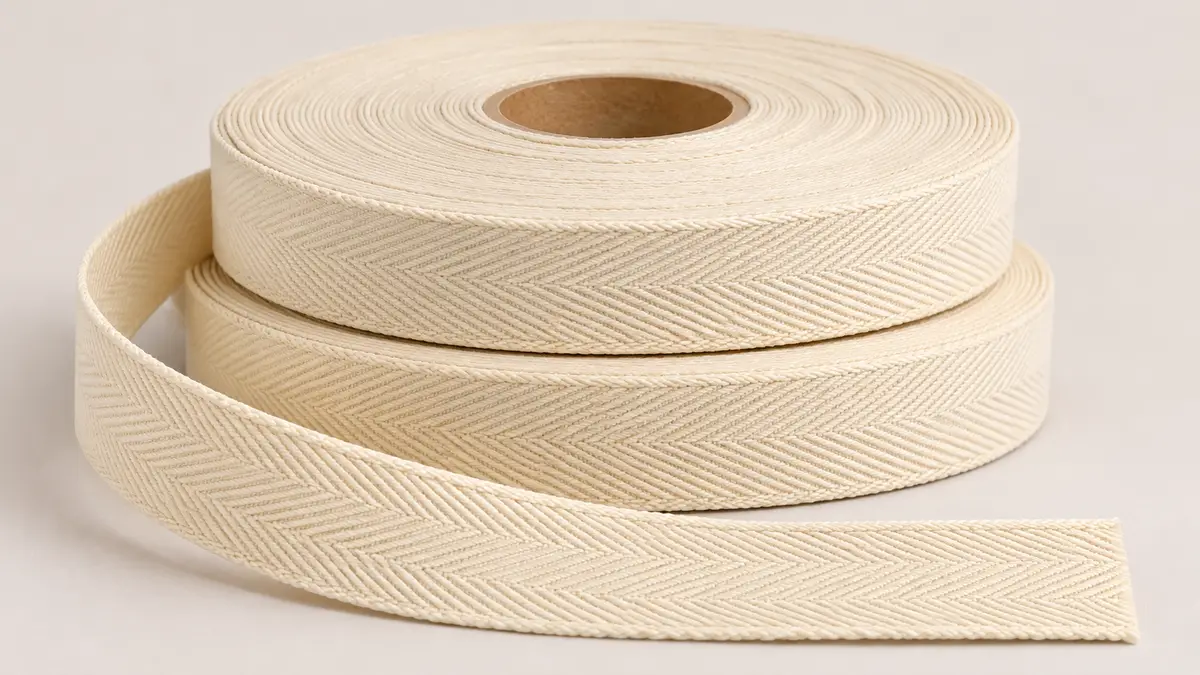
Cotton tape and the narrow woven fabric heading
Read from the UK Trade Tariff on 1 October 2026, heading 5806 covers narrow woven fabrics and adhesive-assembled warp fabrics. Cotton twill tape belongs with the cotton narrow woven fabrics when its composition and construction support that classification. The table includes elastic and synthetic alternatives for comparison; these are not ordinary cotton twill tape.
The supplied tariff lines for goods from China all carry 6% duty. They show no anti-dumping or countervailing measures, tariff suspensions or attached import controls. For cotton tape, the relevant line is 5806 31 00 00.
Give your broker the fibre breakdown, weave, edge construction and details of any elastic yarn or rubber thread. Confirm the commodity code before shipping. For the wider family, see grosgrain ribbon.
| Goods | Commodity code | Duty | Anti-dumping or countervailing duty on China |
|---|---|---|---|
| Cotton narrow woven fabrics, including cotton twill tape | 5806 31 00 00 | 6% | None |
| Elastic alternative: woven tape with at least 5% elastomeric yarn or rubber thread | 5806 20 00 00 | 6% | None |
| Synthetic alternative: narrow woven fabrics with real selvedges | 5806 32 10 00 | 6% | None |
| Synthetic alternative: other narrow woven fabrics | 5806 32 90 00 | 6% | None |
Specify the weave, handle and wash behaviour
Specify cotton content, width, thickness, weight per metre, diagonal twill appearance, woven edges, colour and finish. State whether the tape is for seam binding, garment ties, apron straps or packaging. Approve its handle on the intended finished item rather than judging a loose sample alone.
Agree roll length, permitted joins, winding tension and packing by dye lot. For washable uses, agree a wash procedure and acceptable changes in length, width and colour. Keep an approved sample for inspection.
For garment ties or binding used this way, ask for dye test reports covering the supplied colours. Check the applicable textile labelling arrangements before sale; government guidance says textile labels must show fibre content.
Worked duty example
Illustrative example, not a quote: Illustrative order: 5,000 metres of cotton twill tape under 5806 31 00 00, invoiced at £6,000 free on board, with £400 of freight and insurance to the UK. The customs value is £6,400. Duty at 6% is £384. Import VAT at 20% is charged on the customs value plus duty, £6,784, so it is £1,356.80. Import taxes total £1,740.80; a VAT-registered importer can usually reclaim the VAT, so the lasting cost is the £384 of duty. The import duty and VAT guide explains each step.
Inspection checklist
Construction: compare fibre evidence, diagonal weave, width and thickness with the approved sample; inspect edges for fraying and loose yarns.
Colour: compare rolls and dye lots under consistent lighting; check dry and damp rubbing against pale cloth and wash with the intended garment fabric.
Wash behaviour: measure tape before and after the agreed wash procedure; check shrinkage, twisting, stiffness and puckering when sewn into a sample.
Rolls and packing: check usable length, hidden joins, winding and dye-lot identification; open cartons for dampness, stains and musty odours.
Working out your own order? Send us the product on WhatsApp and we reply the same working day: WhatsApp us
What goes wrong
A tape can match the sample colour yet shrink enough to pucker a seam after washing. A stiff finish can soften away, while dark dye can transfer onto pale garments. Approve a sewn and washed sample using the actual fabric, and compare bulk rolls against it.
Loose edges, short rolls and concealed joins interrupt cutting and sewing. Mixing dye lots creates visible differences between garment ties. Agree how defects and joins will be recorded before production. Any information included on product labels must be accurate, so check composition and length claims against the delivered goods.
Cambridge China Bridge sources these products for UK businesses, checking the factory and the documents before shipment. See factory verification. For own-brand ranges, see sourcing for brands.
Frequently asked questions
What is the UK import duty on cotton twill tape from China?
The supplied tariff facts show 6% for cotton narrow woven fabrics under 5806 31 00 00, with no trade remedies, suspensions or attached import controls.
Is cotton twill tape the same as grosgrain ribbon?
Specify the weave rather than relying on the name. Twill tape has a diagonal woven pattern; grosgrain has pronounced transverse ribs. Compare physical samples for the intended use.
What should I test before using cotton tape in garments?
Sew it into the actual garment fabric, wash using the agreed procedure, and check shrinkage, puckering, twisting and colour transfer. Request dye reports for colours used in prolonged skin contact.
How do I avoid inconsistent cotton tape rolls?
Agree usable roll length, permitted joins and dye-lot packing. Compare bulk rolls with the approved sample and keep different dye lots identifiable through cutting and sewing.