Sourcing concentrated tomato juice from China
Concentrated tomato juice from China classified under heading 2002 carries 14% UK duty across the listed lines. The heading's 0% suspension is restricted to specified tomato paste. Importers must ensure the juice is safe and legal before import. Cambridge China Bridge sources concentrated tomato juice.
Buying from China for a business? How our UK China sourcing agent service works · China sourcing agent for small orders and first imports
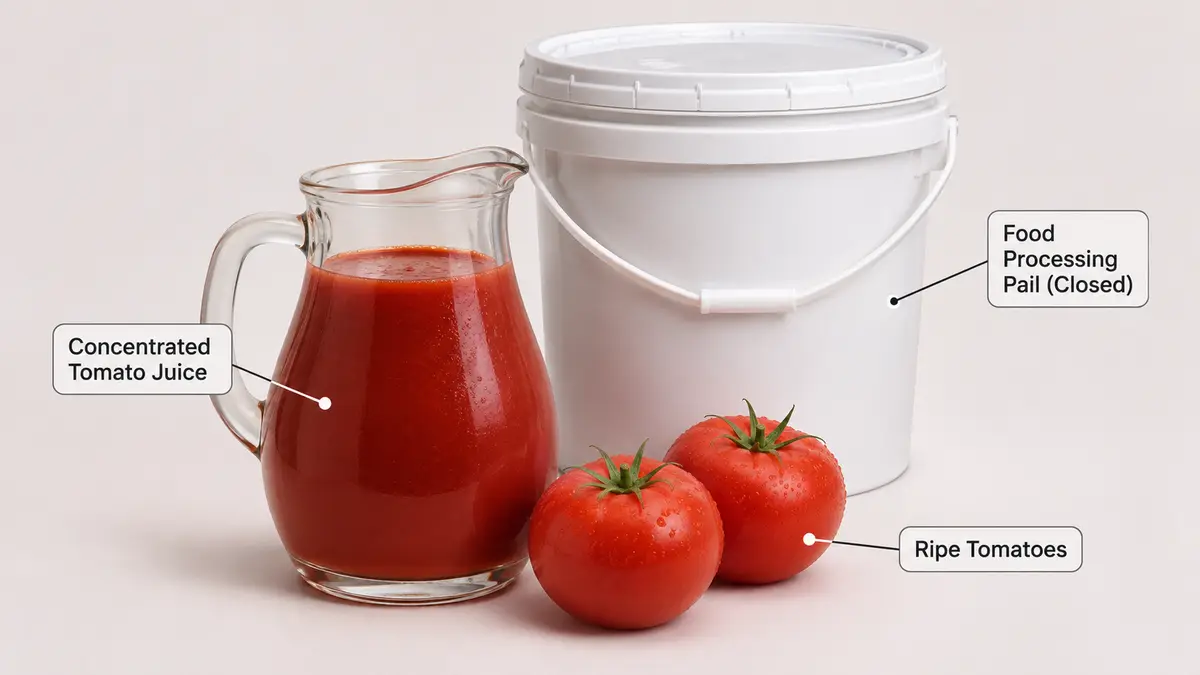
Concentrated juice: 14% duty
Read from the UK Trade Tariff on 5 October 2026, heading 2002 covers tomatoes prepared or preserved otherwise than by vinegar or acetic acid. For concentrated tomato juice confirmed within this heading, the supplied lines carry 14% duty on goods from China. No anti-dumping or countervailing duties are shown in the supplied snapshot.
The 0% suspension under 2002 90 41 95 applies only to tomato paste meeting the specified bin, dry matter, Brix, viscosity and pH conditions. Sharing its commodity code does not make concentrated juice eligible. See the wider tomato paste and canned tomatoes guide.
The tariff attaches organic import control. Organic juice from China entering Great Britain needs a GB certificate of inspection for each consignment. Confirm certification arrangements with your customs broker before shipment. For classification, give the broker the recipe, measured dry matter and immediate packing's net content; use our commodity code guide. The table applies only after classification within this heading is confirmed.
| Goods | Commodity code | Duty | Anti-dumping or countervailing duty on China |
|---|---|---|---|
| Concentrated juice, dry matter below 12%, packs over 1 kg | 2002 90 11 00 | 14% | None |
| Concentrated juice, dry matter below 12%, packs up to 1 kg | 2002 90 19 00 | 14% | None |
| Concentrated juice, dry matter from 12% to 20% | 2002 90 20 00 | 14% | None |
| Concentrated juice, dry matter over 20% up to 30%, packs over 1 kg | 2002 90 41 95 | 14% | None |
Specify the concentrate and its reconstitution
State whether the concentrate is for beverage manufacture or cooking. Agree dry matter and Brix separately, pulp and seed content, acidity, pH, colour and flavour. Record any added salt, sugar or other ingredients. Approve a reconstituted sample using your intended dilution and processing method, rather than judging the concentrate alone.
Agree the heat treatment, aseptic filling method, bag and closure design, drum condition, storage instructions and acceptance tests. Ask for batch analysis and traceability to the processing plant and growing area. Specify pesticide residue testing against GB maximum residue levels.
Importers must ensure their goods are safe and legal before import into Great Britain. Treat laboratory reports as evidence to review against the agreed product and batch, rather than accepting a generic factory report.
Worked duty example
Illustrative example, not a quote: Illustrative order: 20,000 kg of concentrated tomato juice in aseptic drums under 2002 90 20 00, invoiced at £22,000 free on board, with £3,000 of freight and insurance to the UK. The customs value is £25,000. Duty at 14% is £3,500. Import VAT at 20% is charged on the customs value plus duty, £28,500, so it is £5,700. Import taxes total £9,200; a VAT-registered importer can usually reclaim the VAT, so the lasting cost is the £3,500 of duty. The import duty and VAT guide explains each step. This assumes the goods are standard-rated for VAT. Most food for human consumption is zero-rated, and animal feed can be too, in which case no import VAT is due, so check the rate for your product in HMRC's VAT Notice 701/14.
Inspection checklist
Concentration: compare batch dry matter, Brix, acidity and pH results with the contract; check the test methods and sample identity.
Reconstitution: compare colour, flavour, pulp distribution and separation with the approved sample using the agreed dilution.
Packaging: inspect arriving drums, aseptic bags and closures for punctures, leakage, swelling and damage; separate suspect stock for investigation.
Batch records: match container markings to analysis reports and delivery documents; review storage instructions, pesticide results and origin wording on repacked labels.
Working out your own order? Send us the product on WhatsApp and we reply the same working day: WhatsApp us
What goes wrong
A concentrate can meet its quoted Brix yet perform poorly after dilution because pulp, acidity or flavour differs from the approved sample. Overheating gives a cooked flavour and dull colour. Damaged aseptic bags can allow fermentation, leakage or swelling.
A supplier's description of the product as juice or paste is insufficient for a customs decision. Settle the recipe, dry matter and pack size before ordering. Do not budget for the paste suspension merely because the supplier quotes the same code.
Cambridge China Bridge sources these products for UK businesses, checking the factory and the documents before shipment. See factory verification. For repeat volumes, see container programmes.
Frequently asked questions
What is the UK import duty on concentrated tomato juice from China?
The supplied heading 2002 lines carry 14%. The 0% suspension is restricted to specified tomato paste and is not a general concession for concentrated juice.
Does Brix determine the commodity code?
Give your broker measured dry matter, the recipe and immediate pack size. Do not use the supplier's Brix figure alone to select a line.
Can I import organic concentrated tomato juice from China?
Organic consignments entering Great Britain need a GB certificate of inspection. Confirm the certification and clearance arrangements with your customs broker before shipping.
What should I test before accepting a batch?
Check dry matter, Brix, acidity, pH, colour, flavour after reconstitution, pulp distribution and pesticide residues. Inspect aseptic packaging and match the reports to the delivered batch.