Sourcing non-phthalate blends from China
Compound non-phthalate plasticisers within heading 3812 pay 0% UK duty from China, with no anti-dumping or countervailing duty recorded. Check whether the constituent substances require UK REACH registration; a non-phthalate claim needs composition evidence. Cambridge China Bridge sources compound non-phthalate plasticisers.
Buying from China for a business? How our UK China sourcing agent service works · China sourcing agent for small orders and first imports
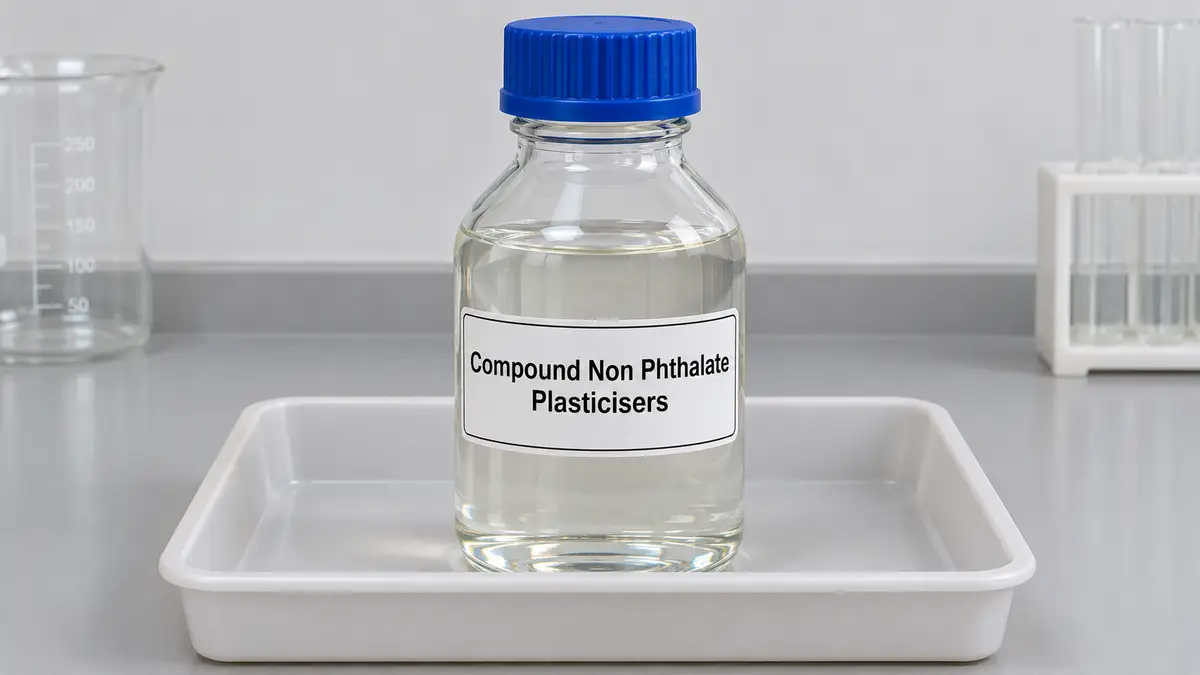
Duty and classification for compound plasticisers
Read from the UK Trade Tariff on 1 October 2026, the relevant compound plasticiser lines carried 0% duty for goods from China. The supplied tariff records show no anti-dumping or countervailing duty, suspension or attached import control on these lines.
Heading 3812 covers compound plasticisers for rubber or plastics, not elsewhere specified or included. The listed terephthalate blend has a specific composition description; other qualifying blends fall under the residual line. The repeated residual code in the table shows applications of the same tariff line. See the wider rubber and plastic additives guide.
A pure, chemically defined plasticiser is outside this preparation heading and belongs in chapter 29. Confirm the commodity code using the full composition and safety data sheet, rather than the supplier's non-phthalate trade description.
| Goods | Commodity code | Duty | Anti-dumping or countervailing duty on China |
|---|---|---|---|
| Specified blend of bis(ethylhexyl) terephthalate and dibutyl terephthalate | 3812 20 90 10 | 0% | None |
| Other compound plasticisers, including qualifying non-phthalate blends | 3812 20 90 90 | 0% | None |
Specify the blend and its behaviour in your compound
Specify constituent identities, blend proportions, permitted impurities and the analytical method behind the non-phthalate claim. Agree colour, acid value, water content and volatility against your approved grade. Ask for a batch certificate of analysis and a safety data sheet that describe the same formulation.
Trial the blend in your own rubber or plastic formulation. Compare processing behaviour, flexibility, surface exudation and ageing with the current grade. Agree how formulation changes will be approved before production.
For a substance you have not previously imported, consider whether UK REACH registration is required. Registration is assessed per substance and legal entity. Keep that assessment separate from the supplier's non-phthalate declaration.
Worked duty example
Illustrative example, not a quote: Illustrative order: 16 tonnes of compound non-phthalate plasticiser in sealed drums under 3812 20 90 90, invoiced at £32,000 free on board, with £1,600 of freight and insurance to the UK. The customs value is £33,600. Duty at 0% is £0. Import VAT at 20% is charged on the customs value plus duty, £33,600, so it is £6,720. With no duty, the only import tax is the VAT, which a VAT-registered importer can usually reclaim. The import duty and VAT guide explains each step.
Inspection checklist
Composition: compare batch analysis with the approved blend and screen for the phthalates covered by your purchasing specification.
Liquid quality: check colour, acid value and water content against agreed acceptance criteria; investigate sediment or separation.
Performance: test a retained sample in your formulation and compare flexibility, exudation and ageing with the approved sample.
Packing and records: check drum seals, leakage, batch identification and agreement between labels, analysis certificates and safety data sheets. See quality inspection explained.
Working out your own order? Send us the product on WhatsApp and we reply the same working day: WhatsApp us
What goes wrong
A non-phthalate label can conceal contamination or an undocumented formulation change. An apparently similar blend may behave differently in your polymer, causing surface exudation or loss of flexibility after ageing. A clear liquid and a generic certificate do not establish equivalence.
Keep an approved reference sample and batch-linked test results. Ask the factory to explain changes in colour, acidity or composition before accepting the shipment. Define which phthalates the claim excludes and how the laboratory will test for them.
Cambridge China Bridge sources these products for UK businesses, checking the factory and the documents before shipment. See factory verification. For repeat volumes, see container programmes.
Frequently asked questions
What is the UK import duty on compound non-phthalate plasticisers from China?
The relevant lines in heading 3812 carry 0% duty in the supplied tariff records, with no anti-dumping or countervailing duty recorded.
Does non-phthalate mean no UK REACH checks?
No. For substances you have not previously imported, consider whether UK REACH registration is required. A non-phthalate declaration does not answer that question.
Can I use this code for a pure plasticiser?
A single chemically defined plasticiser belongs in chapter 29. Heading 3812 covers compound preparations; confirm classification from the actual composition.
How do I verify a non-phthalate plasticiser blend?
Agree the excluded phthalates and test method, obtain batch-linked composition results, and trial the blend in your own formulation against an approved sample.